Why is spring one of the best seasons for trekking in Nepal?
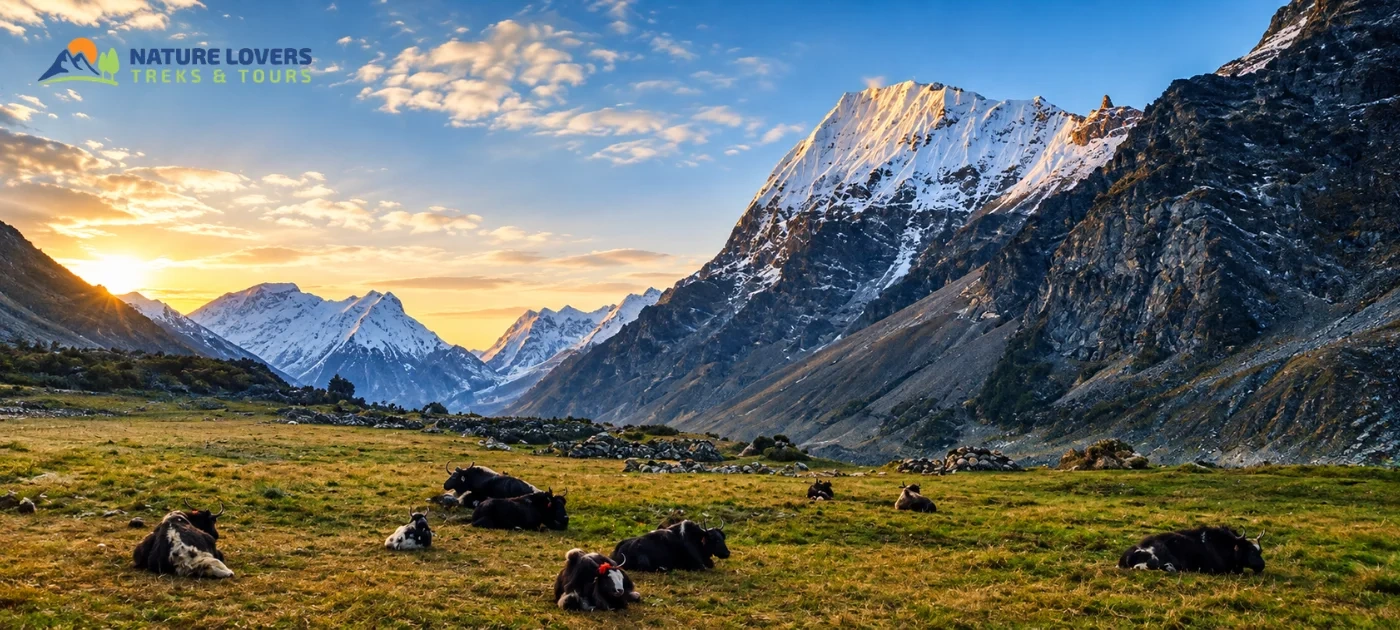
Spring (March-May) offers warm temperatures, clear skies, and stable weather, perfect for exploring the trails of famous trekking destinations in Nepal. The trails, mountain lodges, and teahouses are crowded with hundreds of trekkers. But spring also brings a comfortable environment for high-altitude adventure and long trekking days.
Key Takeaway: Spring offers dry trails, clear skies, warm temperatures, and stable weather for high-altitude trekking in Nepal.
March to May Trekking Conditions
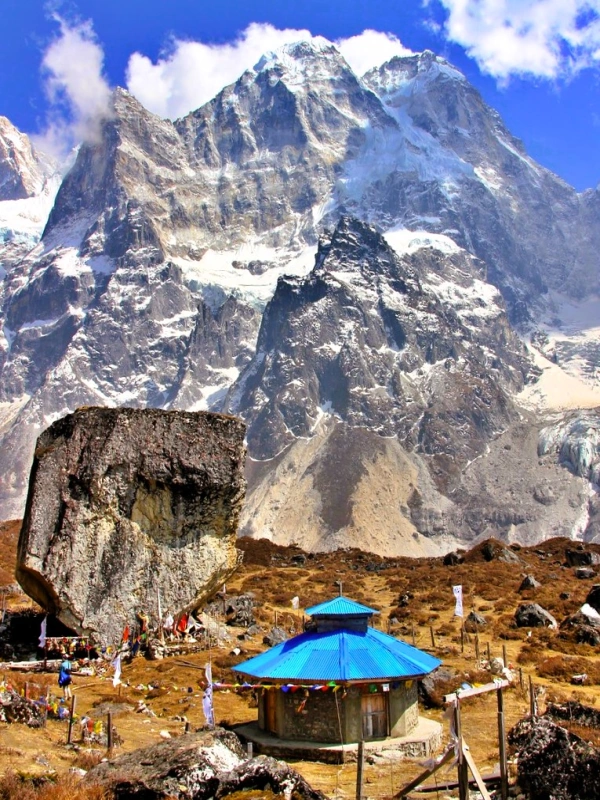
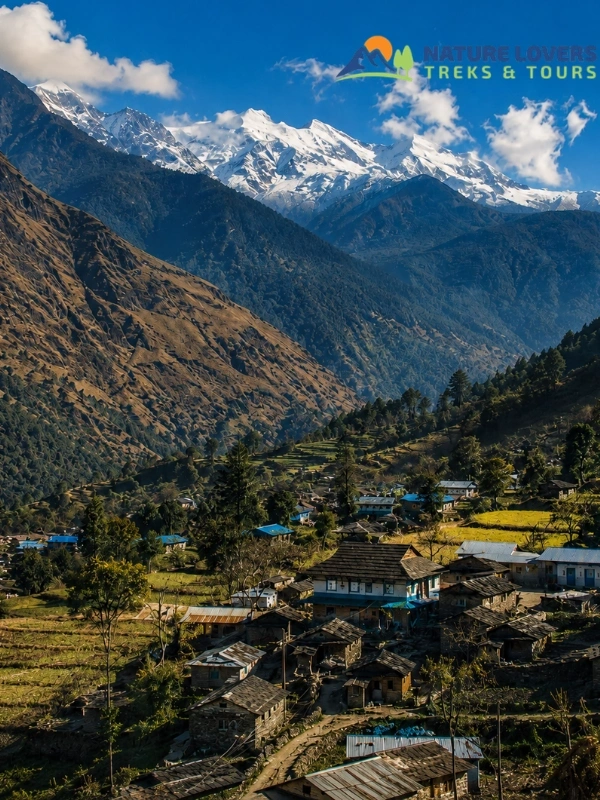
Spring starts in March and lasts until the end of May, waving goodbye to cold winter while welcoming the warm summer. The long, quiet snowy trails are now dry, surrounded by beautiful mountains. In spring, high-altitude treks such as Kala Patthar, Larkya La Pass, Thorong La Pass, Poon Hill, and Gokyo Lake offer majestic mountain views under a clear sky. March to May brings crowded trails, mountain lodges, and teahouses.
Key Takeaway: Spring's warm temperatures melt the snow, and trekkers can walk on dry trails, which are less physically demanding.
Clear Mountain Views and Better Visibility
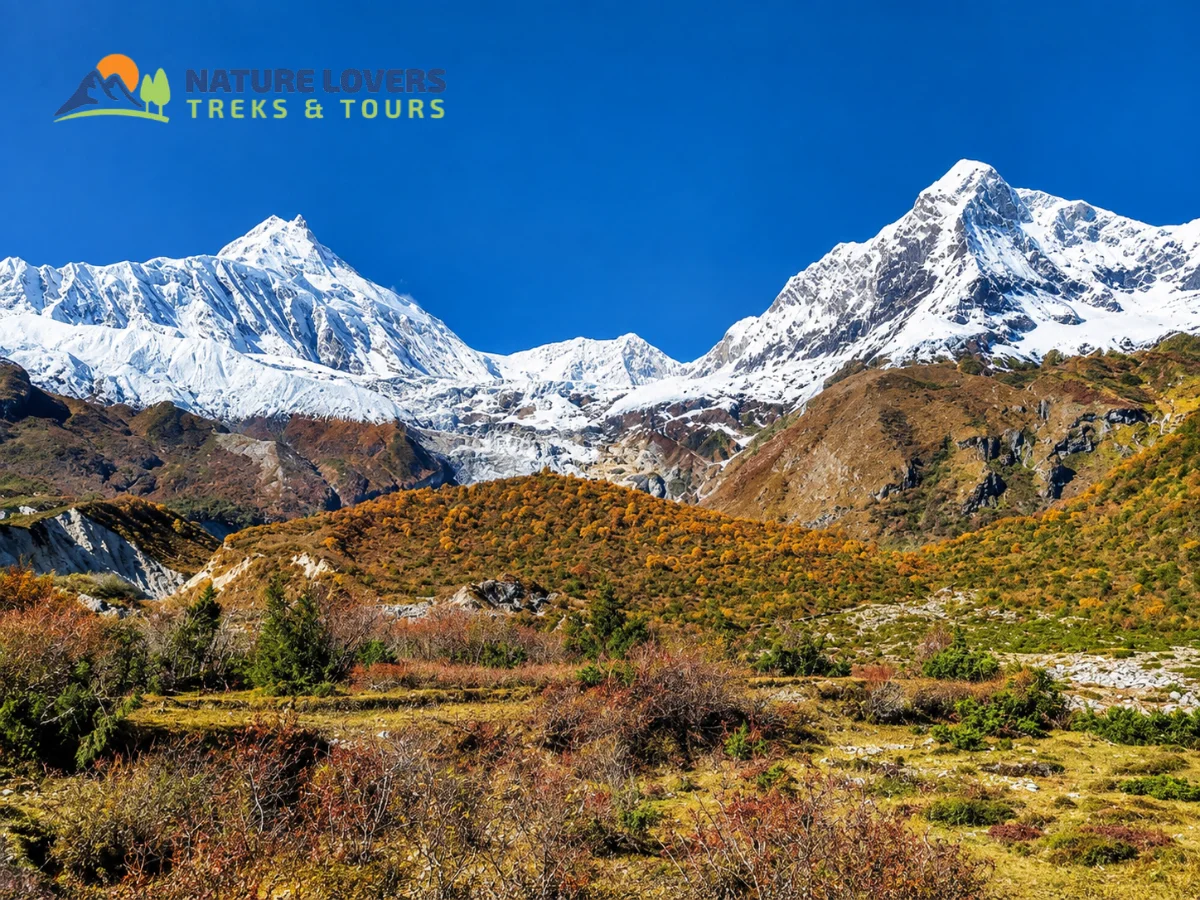
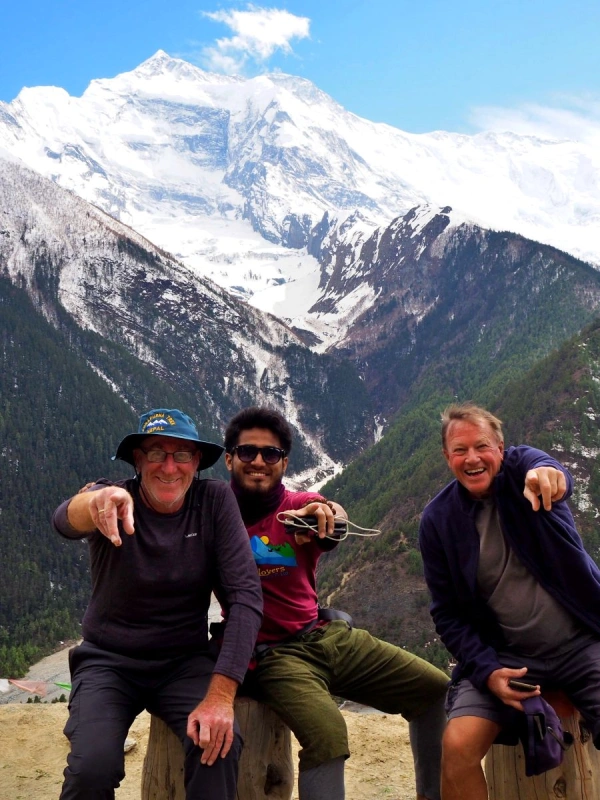
Trekkers can enjoy clear mountain views under the blue sky, and warm temperatures are the highlight of spring trekking in Nepal. Trail navigation is easier under a clear sky and stable weather conditions. Kala Pathar and Poon Hill are two of the most popular viewpoints in spring, offering mesmerizing clear views of snow-capped mountains under a blue sky.
Key Takeaway: Spring is one of the most popular seasons, offering clear mountain views and trails covered with beautiful flowers.
Comfortable Daytime Temperatures
Spring (March-May) offers comfortable daytime temperatures around 15 to 20 degrees Celsius at an altitude of 3,500 m above sea level. But after crossing 4,000 m, temperatures drop significantly to 0 to 5 degrees Celsius at night. Trekkers climbing to Gorak Shep or Thorong Phedi should carry warm clothes and a sleeping bag regardless of the month you are traveling.
Key Takeaway: As trekkers climb higher altitudes, temperature and oxygen levels drop significantly, causing acute mountain sickness.
Rhododendron Blooms in the Himalayan Hills
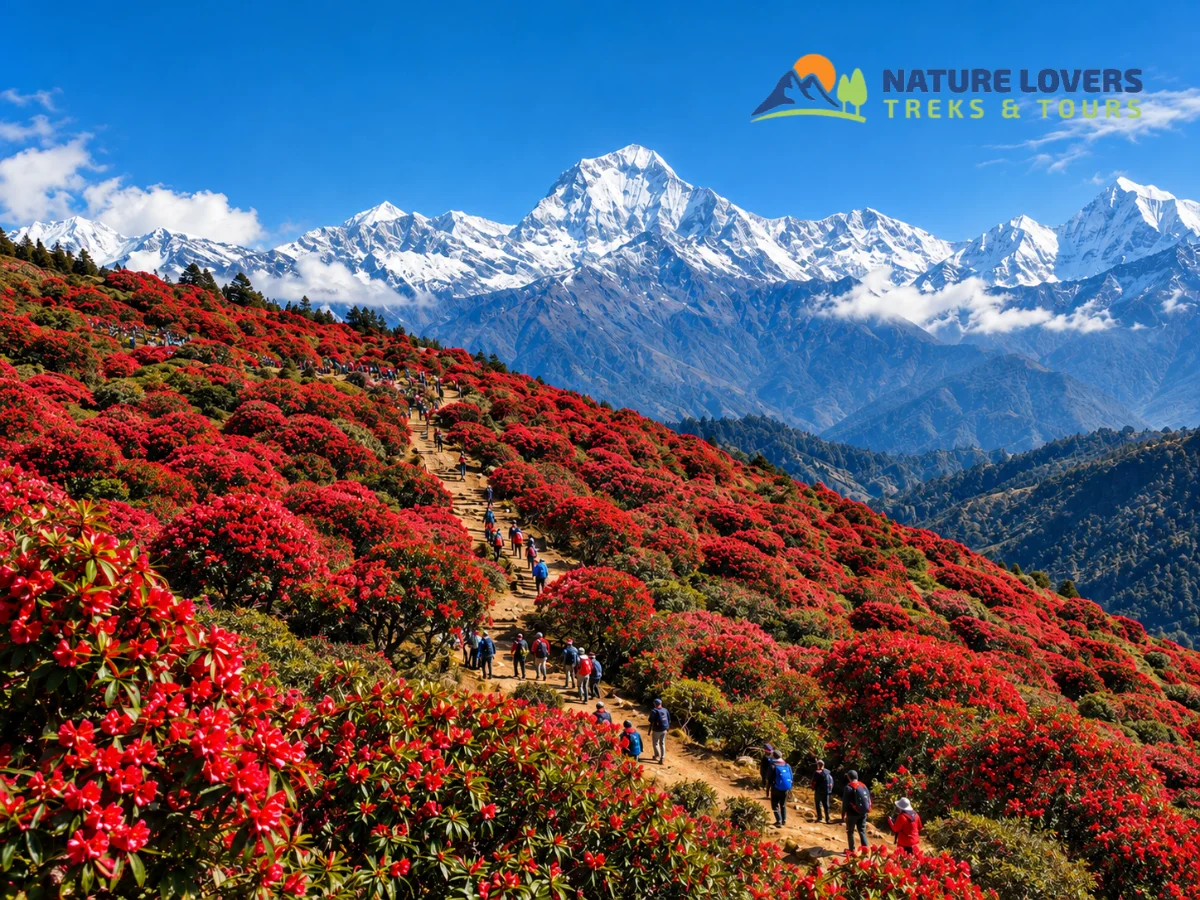
Rhododendron, the national flower of Nepal, blooms at high altitude from March to May. The “Lali Guras” is the Nepali name for rhododendron. In spring, the forest and trails are covered with red, pink, purple, orange, and lavender shades, creating the perfect scenario for photography. Rhododendron only blooms at altitudes of 1,500 to 2,000 meters above sea level. Annapurna, Everest, and Langtang region treks are best for enjoying snow-capped mountain views and rhododendron forests in Nepal.
Key Takeaway: Ghorepani Poon Hill is famous for the largest natural rhododendron forest located in the Annapurna Conservation Area.
Why is spring a peak trekking season in Nepal?
Spring (March-May) is the peak trekking season in Nepal for the following reasons:
- Breathtaking mountain views under clear skies.
- Warm temperatures are perfect for long walking days.
- Stable weather and flights.
- Forests filled with rhododendron and other wildflowers.
- Dry trails are less physically demanding.
Key Takeaway: Spring is one of the most popular trekking seasons after autumn, but trails, mountain lodges, and teahouses are packed or pre-booked.
What Changes From March to May?
Trekkers can still notice cold nights in the first week of March and even snow at high-altitude places. The trails, mountain lodges, and teahouses are less crowded in early spring because of winter leftovers. April is one of the busiest months for trekking in Nepal, offering the clearest skies and trails covered in different shades of rhododendron. But at the end of May, you can notice pre-monsoon rain and clouds covering the mountain views.
Key Takeaway: Spring (March-May) is one of the best trekking seasons in Nepal for exploring high-altitude mountain trails.
Best Spring Treks in Nepal at a Glance
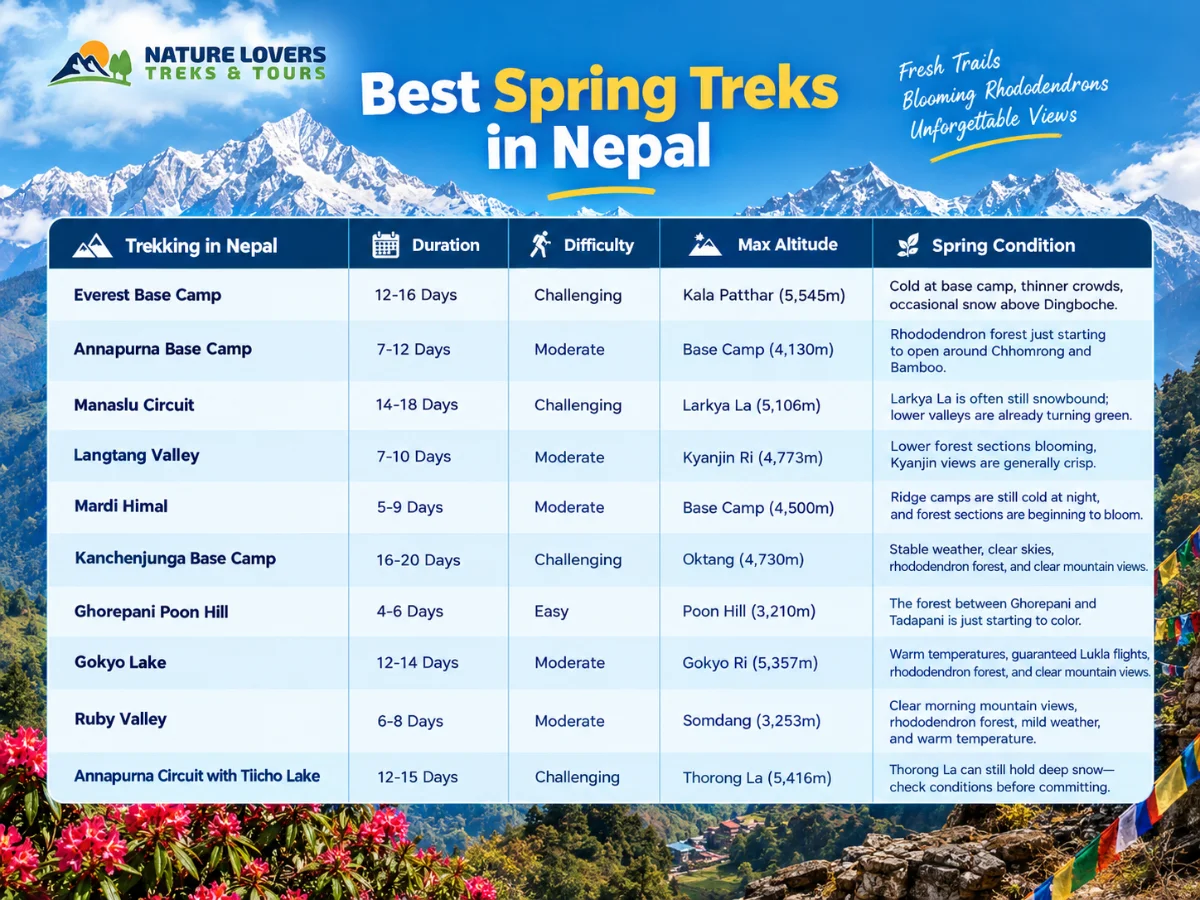
The Everest Base Camp, Annapurna Base Camp, Manaslu Circuit, Langtang Valley, Mardi Himal, Kanchenjunga Base Camp, Ghorepani Poon Hill, Gokyo Lake, Ruby Valley, and Annapurna Circuit with Tilicho Lake are the best spring treks in Nepal at a glance.
Key Takeaway: Spring treks in Nepal are popular for warm temperatures, clear skies, stable weather, and guaranteed flights.
Everest Base Camp Trek in Spring
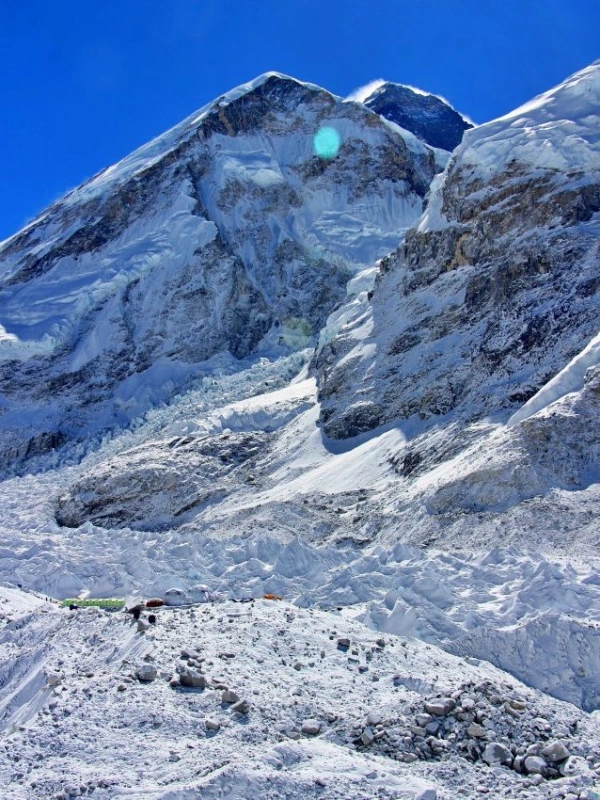
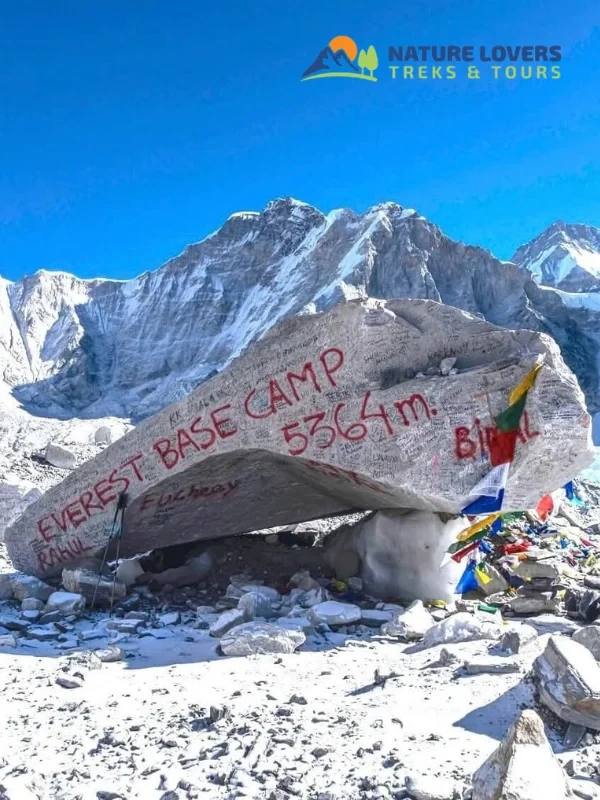
Spring (March-May) is the peak season for the Everest Base Camp Trek, offering the best trail conditions for high-altitude trekking in Nepal. From March to May, trekkers can enjoy the mesmerizing view of snow-capped peaks such as Mount Everest, Nuptse, and Lhotse from Kala Patthar. Daytime temperatures around Namche Bazaar are around 15°C, and forests are filled with different shades of rhododendron.
Key Takeaway: Kala Patthar (5,545 m) is the highest point of the Everest Base Camp Trek, offering a 360° view of the mountains.
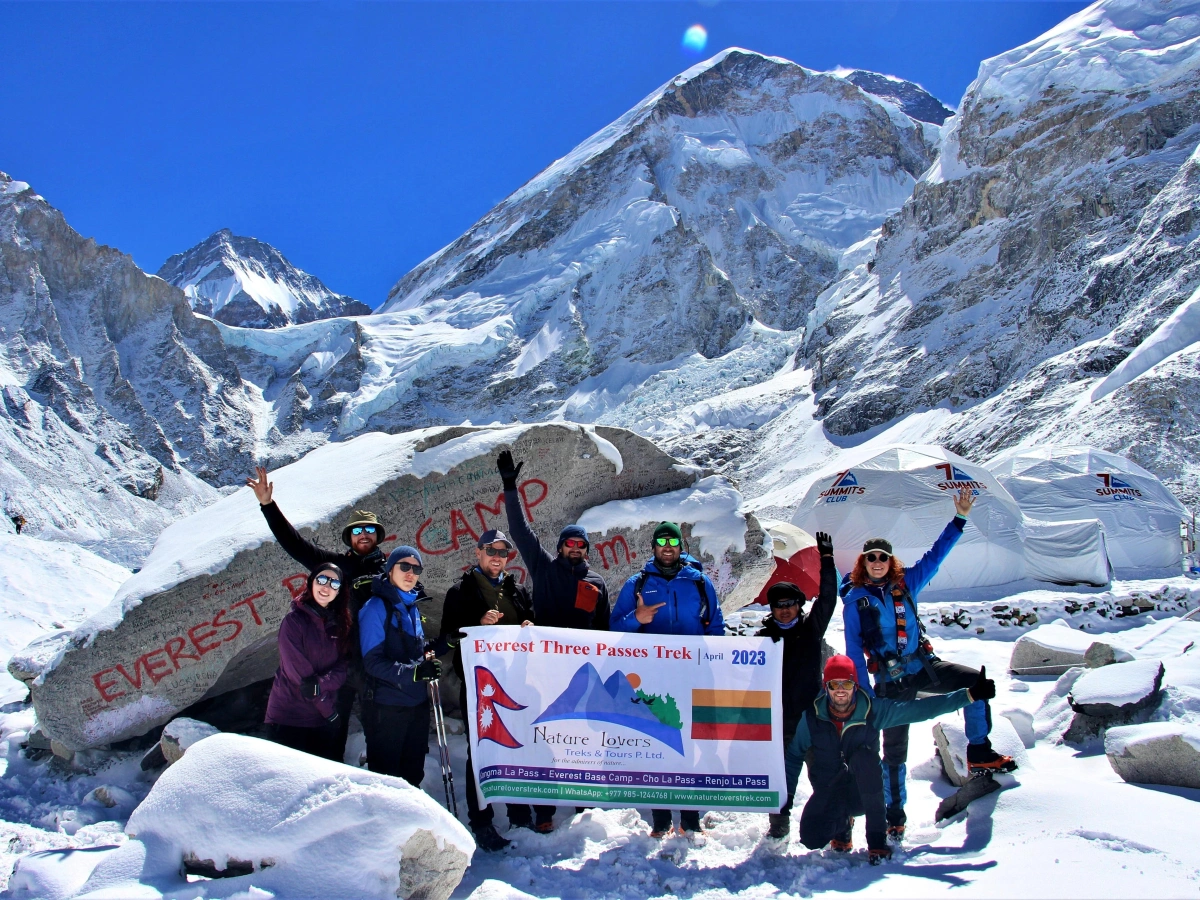
Who Should Choose the EBC Trek in Spring?
The Everest Base Camp Trek in spring suits beginners and trekkers who want to experience the Khumbu region's rocky trails. Spring brings stable weather, warm temperatures, and clear skies, which are perfect for long walking days. The forests are covered with red, pink, orange, yellow, white, and lavender shades of rhododendron.
Key Takeaway: The EBC trek in spring is more crowded than in winter, so most of the mountain lodges and teahouses are already occupied or pre-booked.
Annapurna Base Camp Trek in Spring
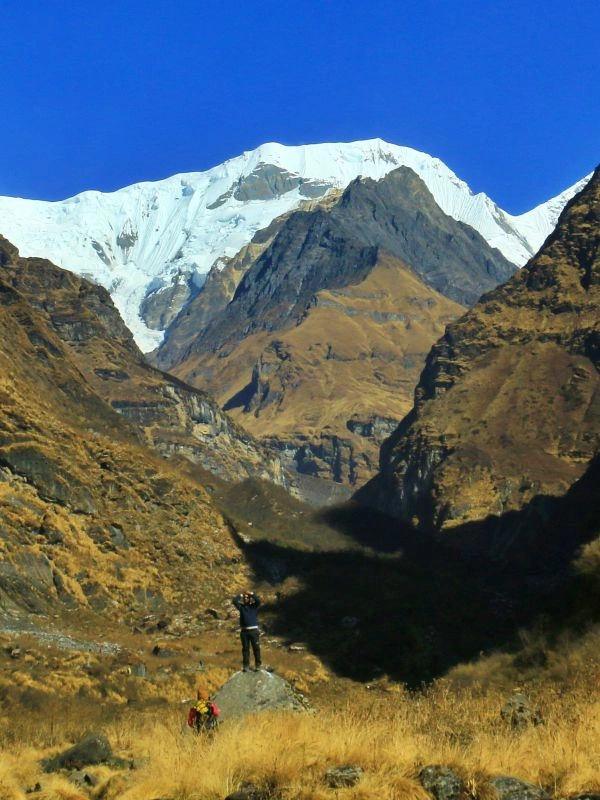
The Annapurna Base Camp Trek in spring offers warm temperatures, stable weather, clear skies, and dry trails. The ABC is a popular trekking destination in Nepal because of its dense rhododendron forest from Chhomrong. Trekkers can enjoy the breathtaking views of Mount Annapurna I, Annapurna South, Hiunchuli, and Machhapuchhre under the clear blue sky. Daytime temperatures at lower altitudes are around 18°C, but it gets colder at night as altitude increases.
Key Takeaway: The Annapurna Base Camp Trek difficulty is graded as moderate, perfect for beginner trekkers.
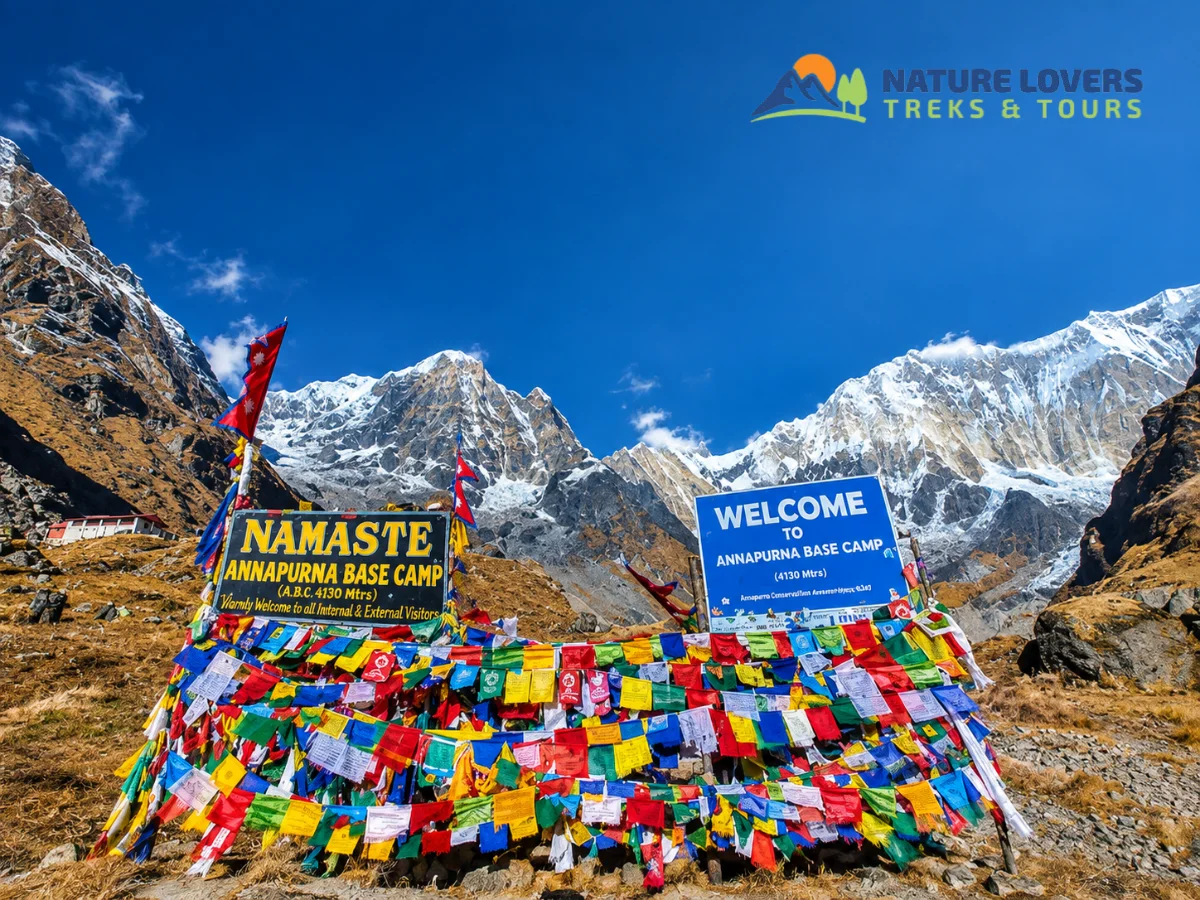
Who Should Choose the ABC Trek in Spring?
Beginner trekkers should choose the ABC Trek in spring because of its short itinerary, easy trails, and altitude. Trekkers will explore religious sites, monasteries, rivers, bridges, and traditional Gurung villages surrounded by beautiful mountains.
Key Takeaway: The ABC Trek lasts around 7 to 12 days, depending on your planned itinerary.
Manaslu Circuit Trek in Spring
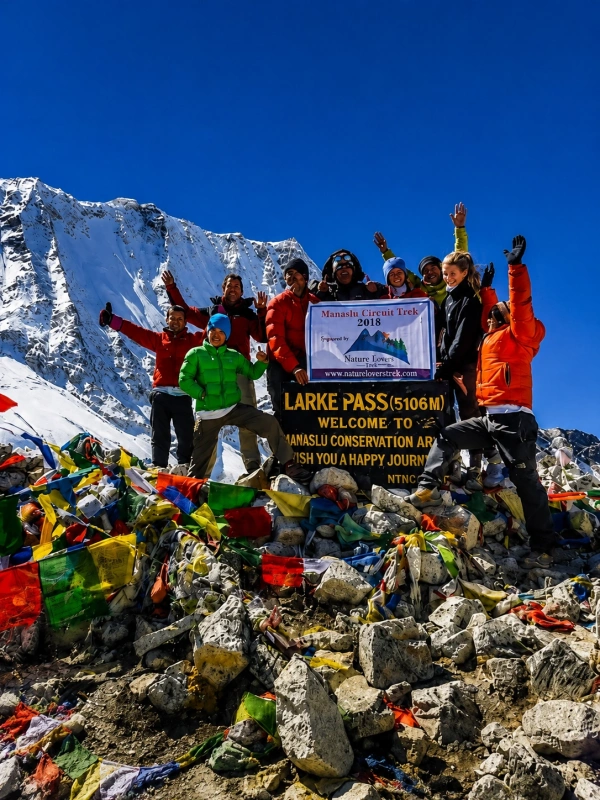
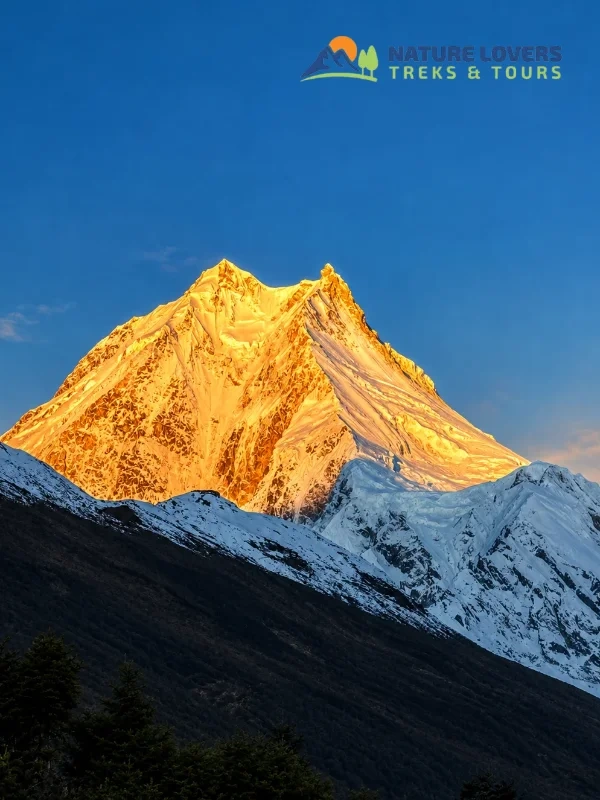
The Manaslu Circuit Trek in spring offers quieter trails than the EBC and ABC treks because it is a restricted area requiring special permits and a licensed guide. The trails are covered with prayer flags and wheels engraved with mantras. The trails around Jagat and Deng are covered with rhododendron from March to April. Trekkers will also explore the centuries-old monasteries highly influenced by Tibetan Buddhist culture before crossing Larkya La Pass.
Key Takeaway: Larkya La Pass (5,106 m) is the highest point of the Manaslu Circuit Trek.
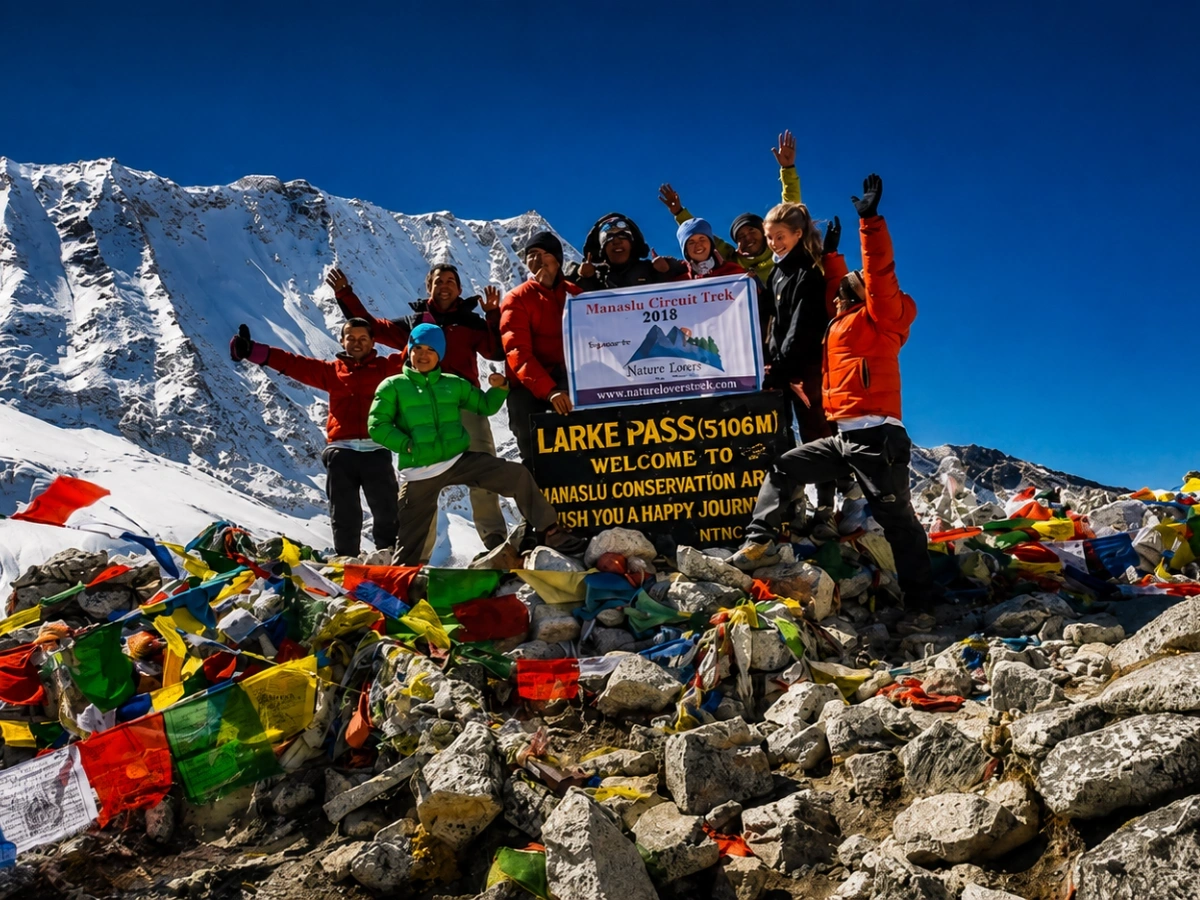
Who Should Choose the Manaslu Circuit Trek in Spring?
The Manaslu Circuit Trek difficulty is graded as challenging because trekkers will spend multiple days at 4,000 m above sea level, so trekkers with prior trekking or hiking experience should choose the Manaslu Circuit Trek in Spring.
Key Takeaway: The Manaslu Circuit trek lasts around 14 to 18 days depending on your itinerary, and crossing Larkya La Pass is the hardest part of the entire journey.
Langtang Valley Trek in Spring
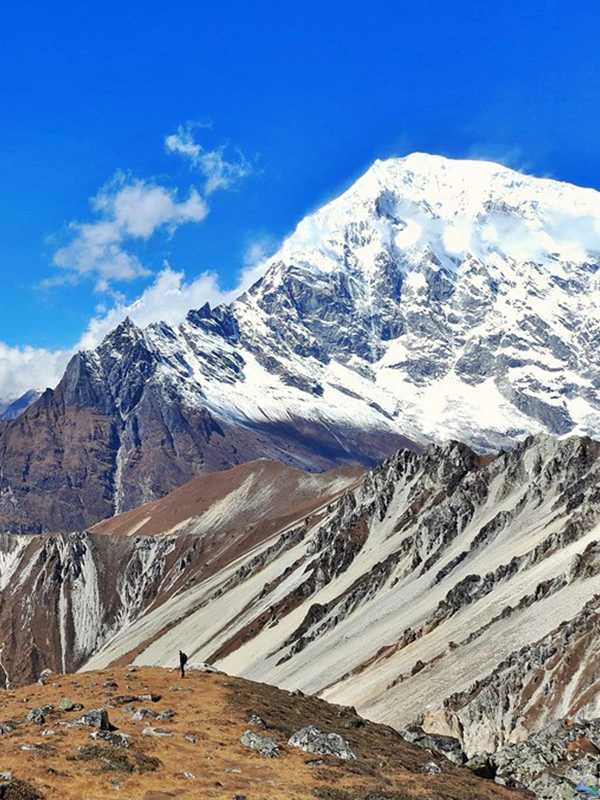
TheLangtang Valley Trek in spring is the perfect trekking destination from Kathmandu. The drive from Kathmandu to Syabrubesi takes around 7 to 8 hours. The Langtang Valley Trek in spring offers majestic snow-capped mountain views of Langtang Lirung (7,227 m), Dorje Lakpa (6,966 m), Naya Kanga (5,846 m), Yala Peak (5,500 m), Ganesh Himal (7,422 m), Shishapangma (8,027 m), and Gangchempo (6,378 m) under a clear blue sky.
Key Takeaway: Kyanjin Ri (4,773 m) is the highest point of the Langtang Valley Trek.
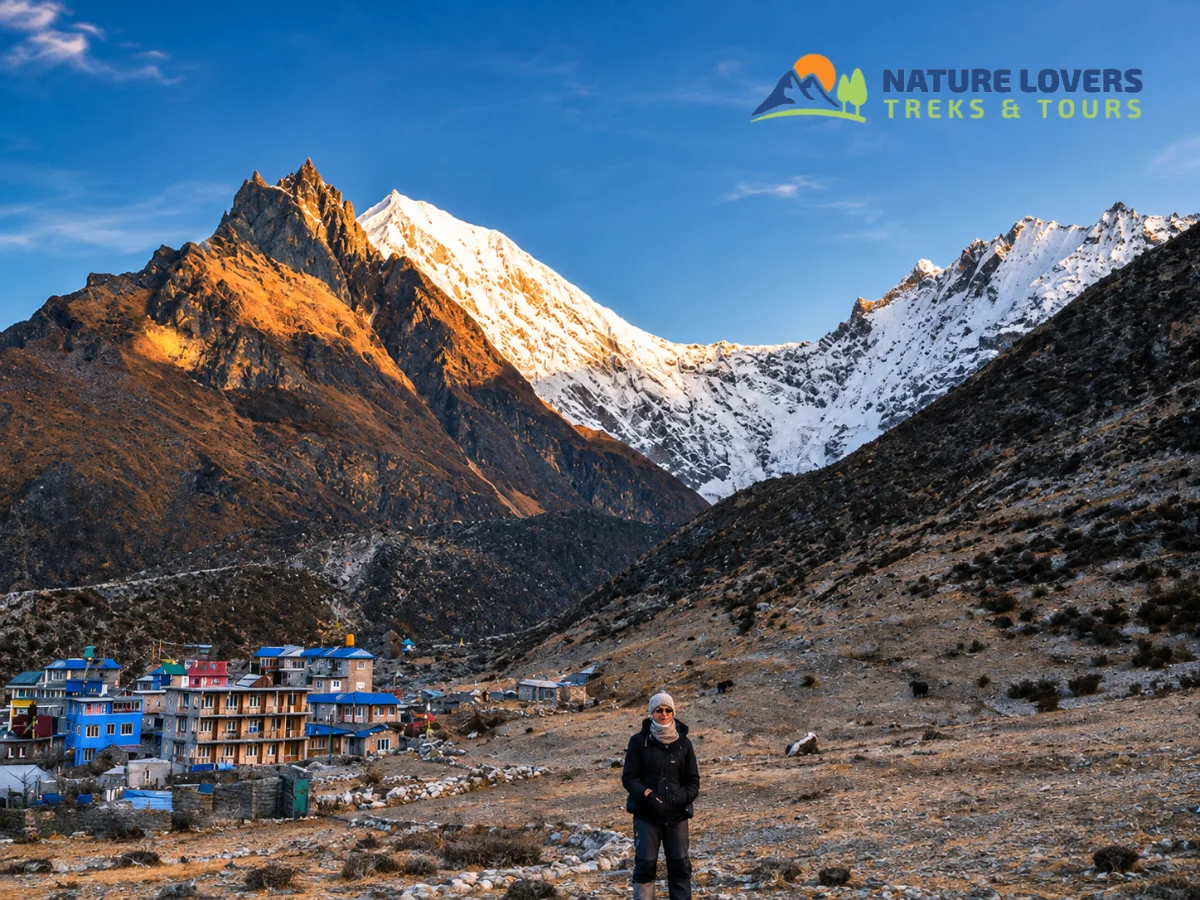
Who Should Choose the Langtang Valley Trek in Spring?
Trekkers who want to explore quiet mountain trails away from city noise can choose the Langtang Valley Trek in spring, a perfect getaway adventure. The trek lasts for 7 to 10 days, depending on your itinerary.
Key Takeaway: The Langtang Valley Trek difficulty is graded as moderate, so even beginner trekkers with proper preparation can complete the entire journey.
Mardi Himal Trek in Spring
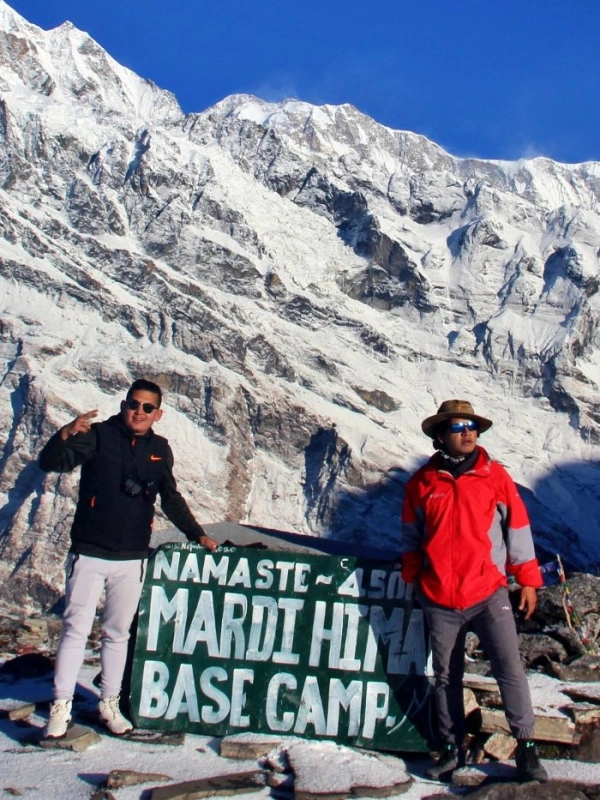
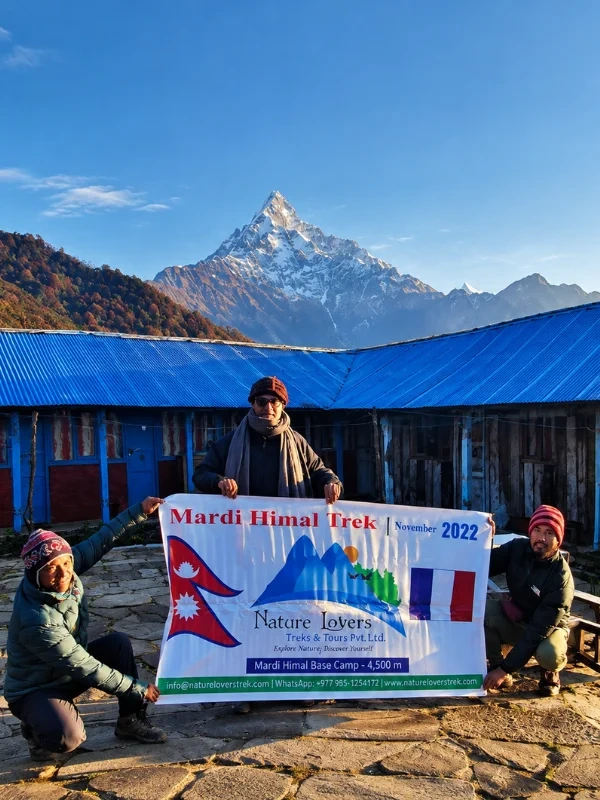
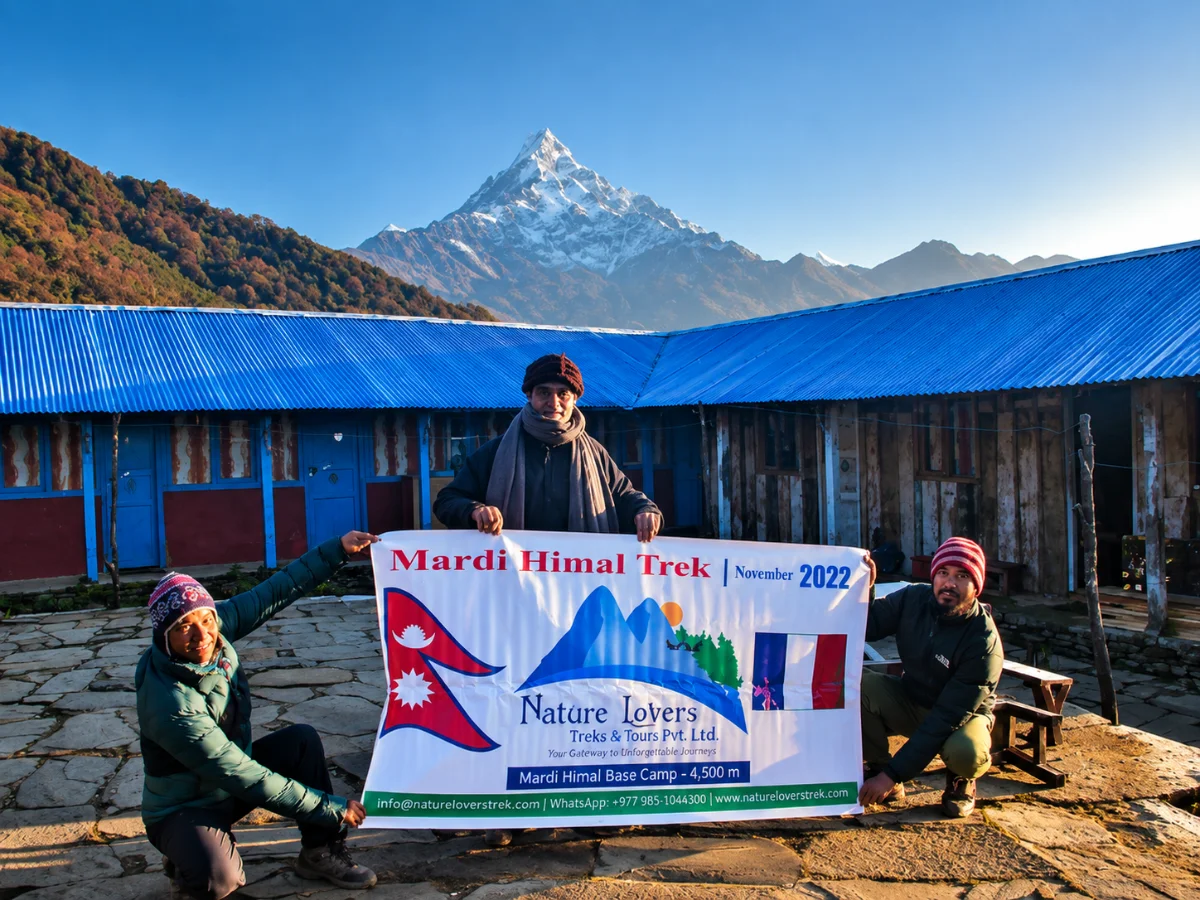
The Mardi Himal Trek in spring is an underrated and newer trekking destination in Nepal. Even in spring, trails are less crowded than ABC and Poon Hill. The low camp, located at 3,105 m above sea level, is covered with dense rhododendron forest. From March to May, the Mardi Himal Trek offers clear views of mountains such as Mount Machhapuchhre (6,993 m), Annapurna South (7,219 m), Hiunchuli (6,441 m), Annapurna I (8,091 m), and Badal Danda (3,210 m).
Key Takeaway: Mardi Himal Base Camp is located 4,500 m above sea level.
Who Should Choose the Mardi Himal Trek in Spring?
Trekkers who want to avoid busy routes such as Poon Hill and Annapurna Base Camp can choose the Mardi Himal Trek. The viewpoint sits above 4,000 m, which offers majestic views of snow-capped mountains.
Key Takeaway: The Mardi Himal Trek is graded as moderate and can be completed in 5 to 9 days, depending on your itinerary.
Kanchenjunga Base Camp Trek in Spring
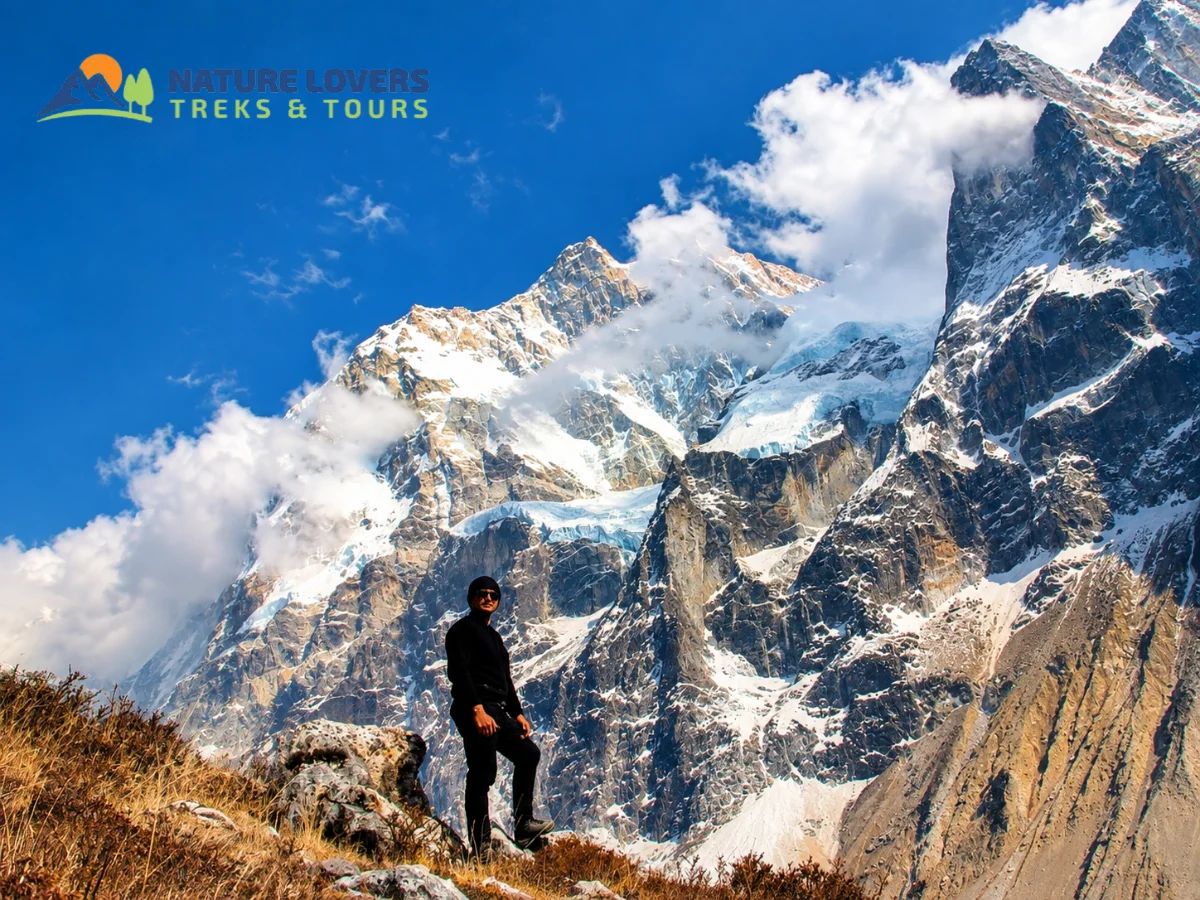
The Kanchenjunga Base Camp Trek in spring offers quiet trails combined with rhododendron forests, clear mountain views, traditional villages, religious sites, monasteries, and rivers. Mount Kanchenjunga (8,586 m) is also the third-tallest mountain in the world. The trails are less crowded than the Everest and Annapurna trekking areas because of their remoteness. Spring (March-May) offers clear skies, warm temperatures, and stable weather perfect for starting the Kanchenjunga Base Camp Trek.
Key Takeaway: Oktang (4,730 m) is Kanchenjunga South Base Camp and the highest point of the entire trek.
Who Should Choose Kanchenjunga Base Camp Trek in Spring?
Trekkers who want to avoid crowded trails and prefer a peaceful journey away from noise should choose Kanchenjunga Base Camp Trek in Spring. From March to May, forests are covered with rhododendron, and clear skies offer breathtaking mountain views for perfect photographs.
Key Takeaway: The Kanchenjunga Base Camp Trek difficulty is graded as challenging and can be completed within 16 to 20 days, depending on the itinerary.
Ghorepani Poon Hill Trek in Spring
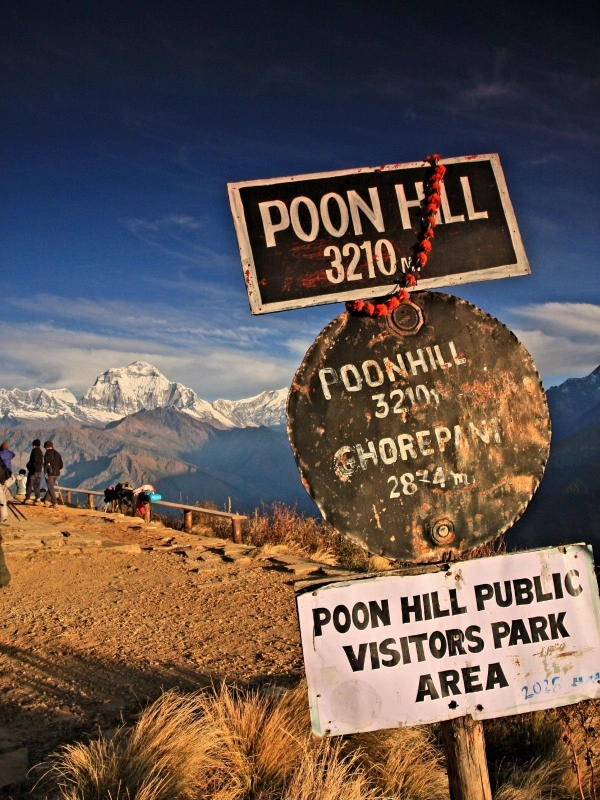
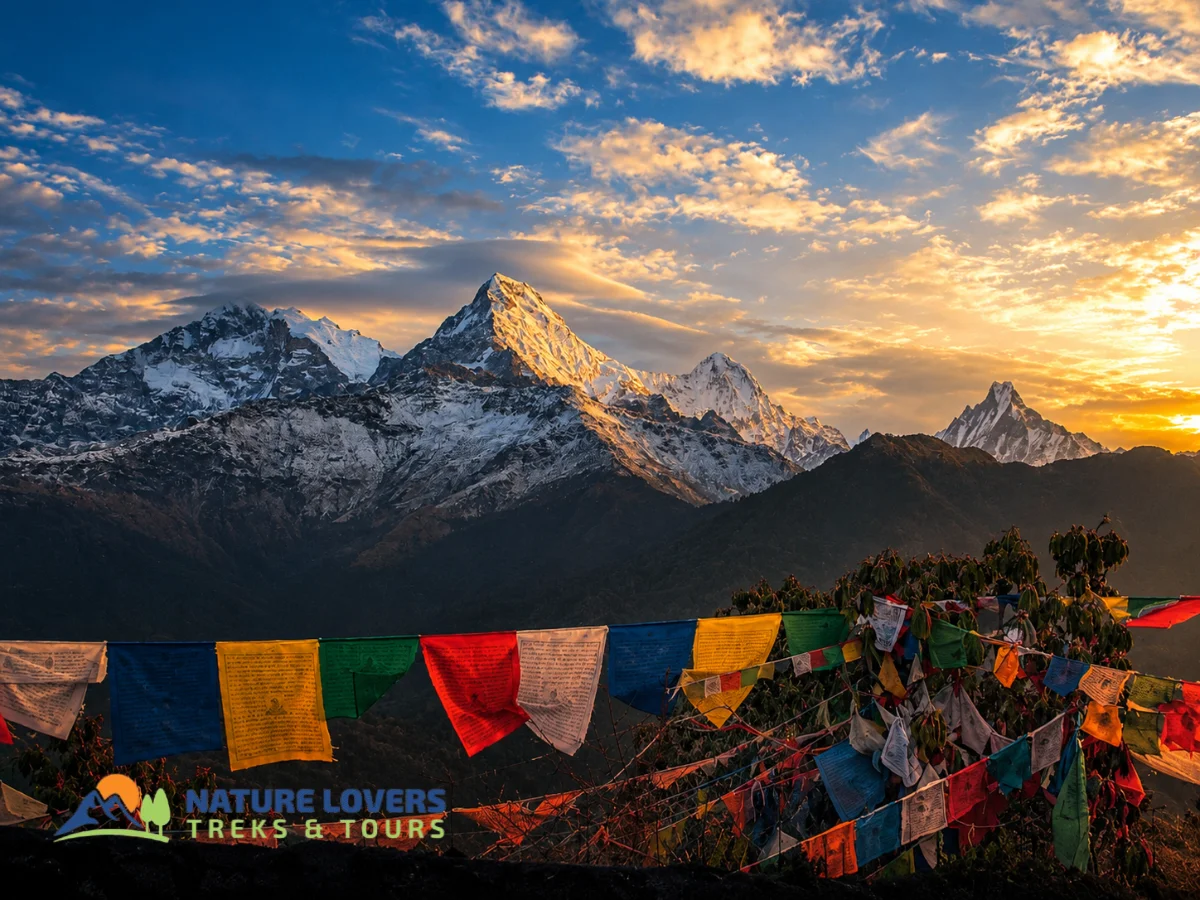
The Ghorepani Poon Hill Trek in spring is the busiest and most crowded viewpoint in the Annapurna region. The viewpoint is 3,210 m above sea level, which offers majestic views of popular peaks such as Mount Dhaulagiri (8,167 m), Annapurna South (7,219 m), and Machhapuchhre (6,993 m) under clear skies.
Key Takeaway: Poon Hill (3,210) is the highest point of the trek and the most popular viewpoint, offering breathtaking mountain views.
Who Should Choose Ghorepani Poon Hill Trek in Spring?
Beginners should choose the Ghorepani Poon Hill Trek in spring because it is one of the easiest and shortest treks. Trekkers can complete the entire journey within 4 to 6 days, depending on their planned itinerary.
Key Takeaway: The forest between Ghorepani and Tadapani is filled with red, pink, and white rhododendrons, perfect for mountain photography.
Gokyo Lake Trek in Spring
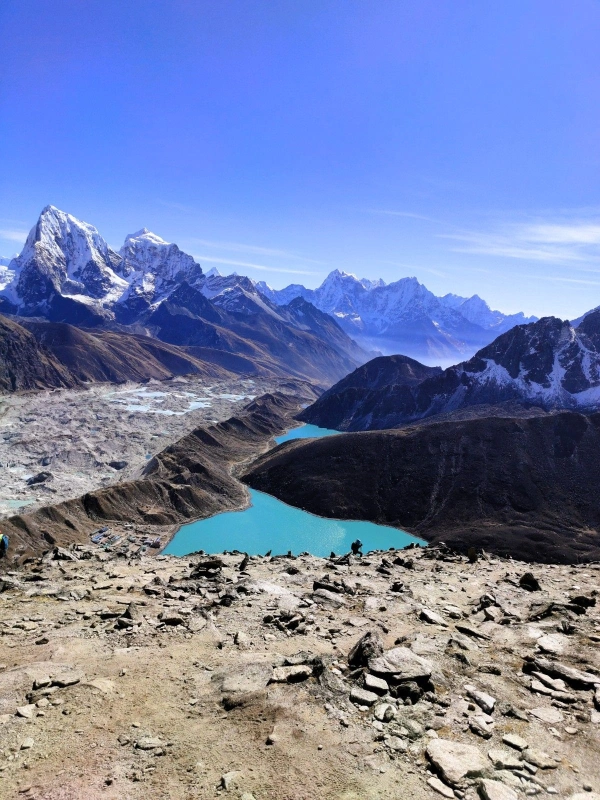
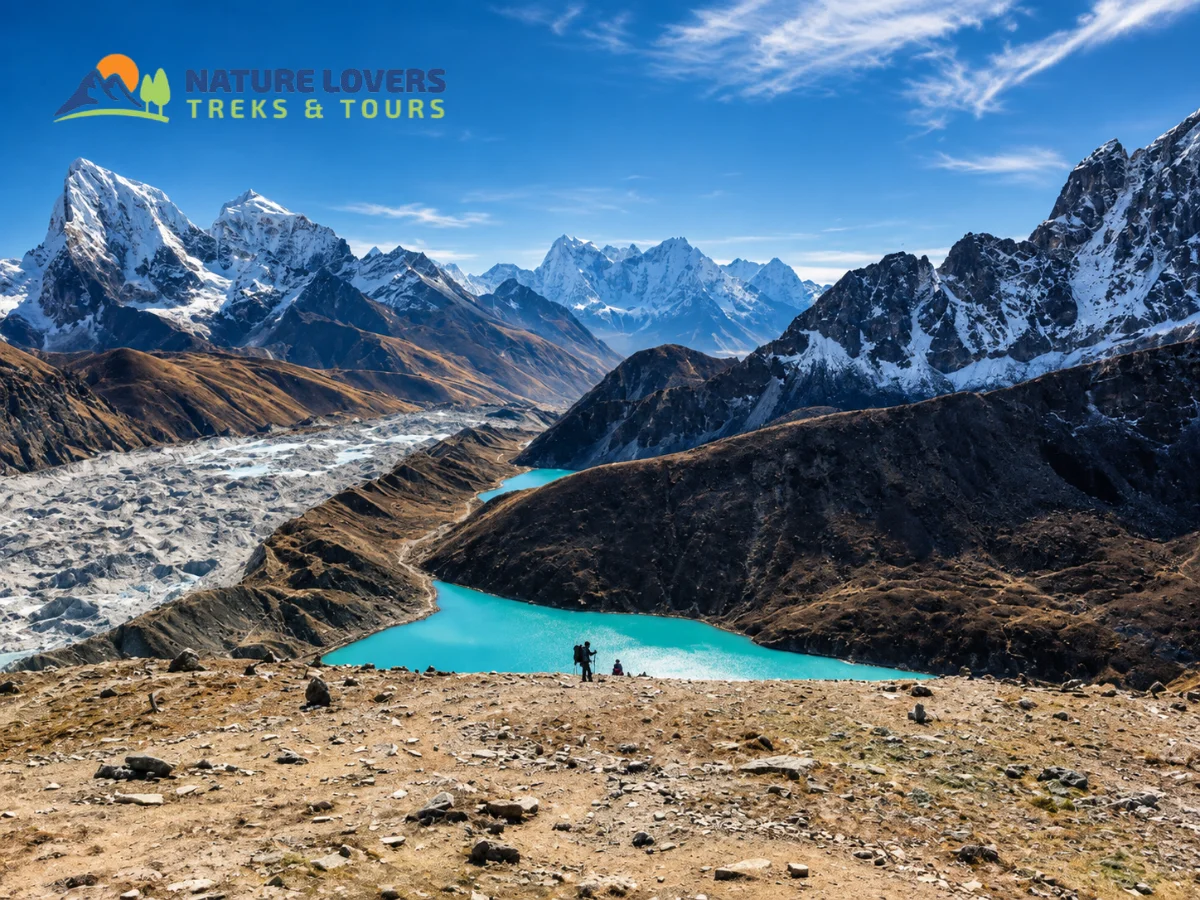
The Gokyo Lake Trek in spring is one of the best alternatives to the 14-day Everest Base Camp trek. Trekkers will explore the Sherpa villages, rhododendron forests, pine forests, high mountain valleys, and turquoise glacial lakes of the Khumbu Region. The journey offers breathtaking mountain views of Cho Oyu, Everest, Lhotse, and Makalu. Spring (March-May) is the peak season for the Gokyo Lake Trek, but the trails are still more peaceful than those of the Everest Base Camp and Annapurna Base Camp Trek.
Key Takeaway: Gokyo Ri (5,357 m) is the highest point of the Gokyo Lake Trek.
Who Should Choose the Gokyo Lake Trek in Spring?
The Gokyo Lake Trek is ideal for beginners who want to experience the rocky trails of the Everest Base Camp Trek. You can complete the entire journey in 12 to 14 days, depending on your travel style and itinerary. Spring (March-May) offers comfortable temperatures and stable weather for long walking days.
Key Takeaway: The Gokyo Lake Trek difficulty is graded as moderate, so even beginners can complete the entire journey with proper preparation.
Annapurna Circuit Trek with Tilicho Lake in Spring
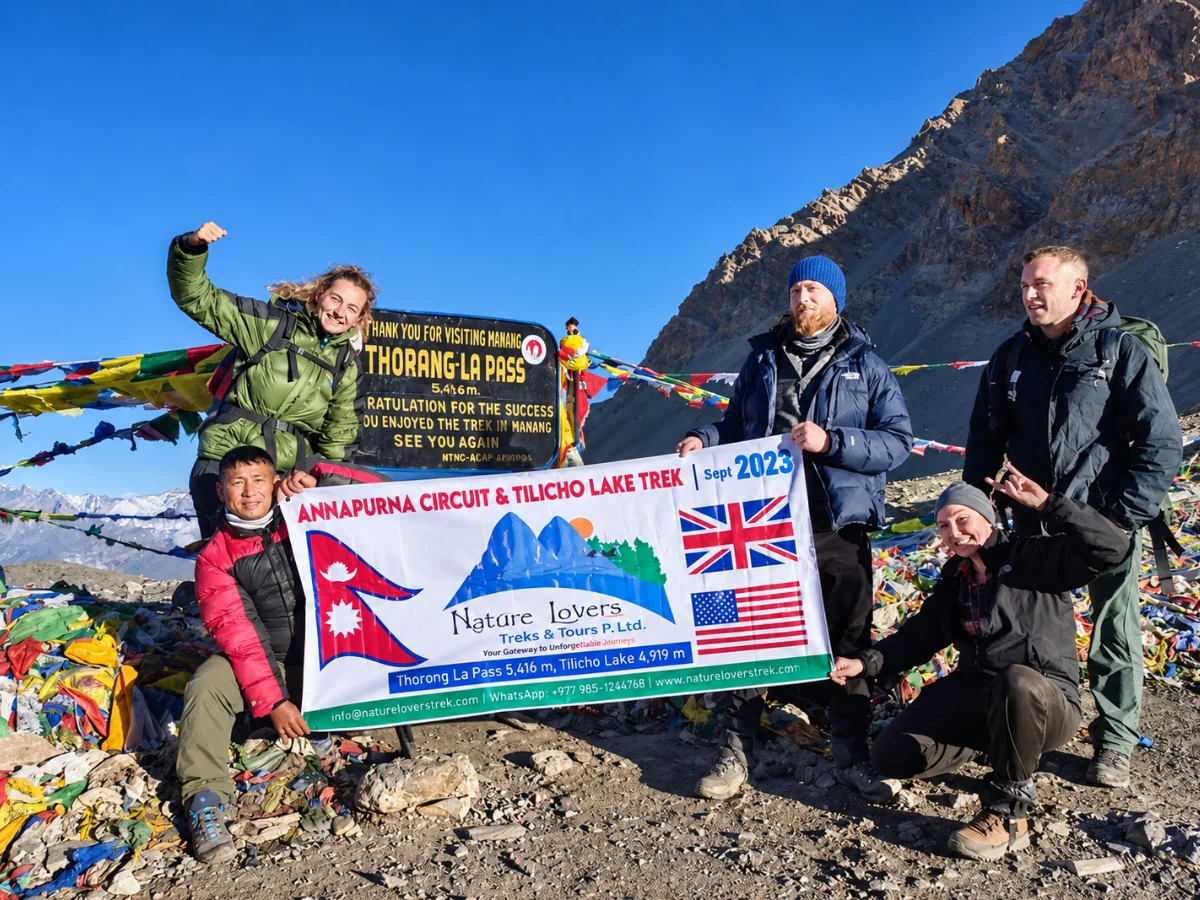
The Annapurna Circuit Trek with Tilicho Lake in spring offers the best weather and temperatures but is not suitable for beginners. Trekkers reach 5,416 m above sea level, walking on trails covered in snow even in spring. Lower altitudes offer warm temperatures and stable weather. But as trekkers climb to higher altitudes, temperatures drop significantly. But spring (March-May) is considered the perfect time for starting your Annapurna Circuit Trek.
Key Takeaway: Thorong La Pass (5,416 m) is the highest point of the Annapurna Circuit Trek, with Tilicho Lake in spring.
Who Should Choose the Annapurna Circuit Trek with Tilicho Lake in Spring?
The Annapurna Circuit Trek with Tilicho Lake in spring suits travelers with prior multi-day trekking experience. The journey takes around 12 to 15 days depending on their planned itinerary and walking pace. The route passes through pine and rhododendron forest and reaches Thorong La Pass, located 5,416 m above sea level.
Key Takeaway: The Annapurna Circuit Trek with Tilicho Lake is graded as challenging because of its long summit day and altitude.
Best Short Spring Treks in Nepal
The best short spring treks in Nepal for beginners and travelers with limited time are:
- Ghorepani Poon Hill Trek (4-6 Days)
- Mardi Himal Trek (5-9 Days)
- Langtang Valley Trek (7-10 Days)
- Ruby Valley Trek (6-8 Days)
- Chisapani, Nagarkot, and other Kathmandu Valley short treks (1 day)
Key Takeaway: The Ghorepani Poon Hill Trek (4-6 Days) is the best choice for short spring treks in Nepal, crossing rhododendron forests, traditional villages, and religious sites, offering mesmerizing views of snow-capped mountains.
Best High Altitude Spring Treks in Nepal
The best high-altitude spring treks in Nepal for trekkers are
- Everest Base Camp Trek (Kala Patthar 5,545 m)
- Annapurna Circuit Trek with Tilicho Lake (Thorong La Pass 5,416 m)
- Manaslu Circuit Trek (Larkya La Pass 5,106 m)
- Kanchenjunga Base Camp Trek (Oktang 4,730 m)
- Annapurna Base Camp Trek (ABC 4,130 m)
Key Takeaway: The Everest Base Camp and the Annapurna Base Camp are the most crowded trekking destinations in spring.
Best Remote Spring Treks in Nepal
The best remote spring treks in Nepal for trekkers are
- Manaslu Circuit Trek (14-18 Days)
- Makalu Base Camp Trek (15-21 Days)
- Upper Mustang Trek (12-14 Days)
- Upper Dolpo Trek (18-24 Days)
- Kanchenjunga Base Camp Trek (16-20 Days)
Key Takeaway: The remote spring trek in Nepal offers a quiet journey through rhododendron forests, traditional villages, monasteries, traditional sites, and rivers with a licensed trekking guide.
How Difficult Are the Best Spring Treks in Nepal?
The difficulty of the best spring treks in Nepal is graded as easy, moderate, or challenging depending on altitude and itinerary.
Easy Spring Treks in Nepal
Ghorepani Poon Hill is an easy spring trek in Nepal that takes around 4 to 6 days, depending on your planned itinerary. Poon Hill is located 3,210 meters above sea level and is also a popular spring trek in Nepal.
Moderate Spring Treks in Nepal
The Annapurna Base Camp, Langtang Valley, Mardi Himal, Gokyo Lake, and Ruby Valley treks are the best moderate spring treks in Nepal. Trekkers will reach 4,000 m above sea level, and these treks can be finished in 6 to 14 days depending on the itinerary.
Challenging High Altitude Spring Treks in Nepal
The Everest Base Camp, Annapurna Circuit with Tilicho Lake, Manaslu Circuit, and Kanchenjunga Base Camp are challenging spring treks in Nepal. Trekkers will cross 5,000 m above sea level, and long walking days make the journey challenging for beginners.
Best Spring Treks in Nepal for Beginners
The best spring treks in Nepal for beginners are
- Ghorepani Poon Hill Trek (Easy)
- Mardi Himal Trek (Moderate)
- Langtang Valley Trek (Moderate)
- Ruby Valley Trek (Moderate)
- Annapurna Base Camp Trek (Moderate)
Key Takeaway: Beginners must choose an easy or moderate-difficulty trek with a short itinerary and fewer walking days, depending on their fitness level.
Best Spring Treks in Nepal for Experienced Trekkers
The best spring treks in Nepal for experienced trekkers are
- Everest Base Camp Trek (Challenging)
- Manaslu Circuit Trek (Challenging)
- Annapurna Circuit Trek with Tilicho Lake (Challenging)
- Kanchenjunga Base Camp Trek (Challenging)
Key Takeaway: Trekkers will cross altitudes of 5,000 m above sea level with continuous ascent and descent on rocky mountain trails, so prior trekking experience is required.
Permits and Costs for the Best Spring Treks in Nepal
Trekkers require national park permits, conservation area permits, and restricted area permits depending on the trekking destination. The permits and costs for the best spring treks in Nepal are
Everest Base Camp Trek Permit and Cost
Sagarmatha National Park Permit
- Foreign nationals: NPR 3,000 per person
- SAARC Nations: NPR 1,500 per person
- Nepali Citizens: NPR 100 per person
Khumbu Pasang Lhamu Rural Municipality Permit
- Foreign nationals: NPR 2,000 per person
- SAARC Nations: NPR 2,000 per person
- Nepali Citizens: NPR 2,000 per person
Annapurna Base Camp Trek Permits and Cost
Annapurna Conservation Area Permit (ACAP)
- Foreign nationals: NPR 3,000 per person
- SAARC Nations: NPR 1,000 per person
- Nepali Citizens: NPR 100 per person
Manaslu Circuit Trek Permit and Cost
Manaslu Restricted Area Permit (MRAP)
- Foreign nationals: USD 100 for the first 7 days and USD 15 per day after 7 days
- SAARC Nations: USD 100 for the first 7 days and USD 15 per day after 7 days
- Nepali Citizens: Not required
Manaslu Conservation Area Permit (MCAP)
- Foreign nationals: NPR 3,000 per person
- SAARC Nations: NPR 1,000 per person
- Nepali Citizens: NPR 100 per person
Annapurna Conservation Area Permit (ACAP)
- Foreign nationals: NPR 3,000 per person
- SAARC Nations: NPR 1,000 per person
- Nepali Citizens: NPR 100 per person
Chumnubri Local Fee
- Foreign nationals: NPR 2,000 per person
- SAARC Nations: NPR 1,000 per person
- Nepali Citizens: Not required
Langtang Valley Trek Permit and Cost
Langtang National Park Entry Permit
Foreign nationals: NPR 3,000 per person
SAARC Nations: NPR 1,500 per person
Nepali Citizens: NPR 100 per person
Mardi Himal Trek Permit and Cost
Annapurna Conservation Area Permit (ACAP)
- Foreign nationals: NPR 3,000 per person
- SAARC Nations: NPR 1,000 per person
- Nepali Citizens: NPR 100 per person
Kanchenjunga Base Camp Trek
Kanchenjunga Conservation Area Permit (KCAP)
- Foreign nationals: NPR 2,000 per person
- SAARC Nations: NPR 500 per person
- Nepali Citizens: NPR 100 per person
Taplejung Restricted Area Permit
- Foreign nationals: USD 20 for the first 4 weeks and USD 25 per week after
- SAARC Nations: USD 20 for the first 4 weeks and USD 25 per week after
- Nepali Citizens: NPR 100 per person
Ghoprepani Poon Hill Trek Permit and Cost
Annapurna Conservation Area Permit (ACAP)
- Foreign nationals: NPR 3,000 per person
- SAARC Nations: NPR 1,000 per person
- Nepali Citizens: NPR 100 per person
Gokyo Lake Trek Permit and Cost
Sagarmatha National Park Entry Permit
- Foreign nationals: NPR 3,000 per person
- SAARC Nations: NPR 1,500 per person
- Nepali Citizens: NPR 100 per person
Ruby Valley Trek Permit and Cost
Langtang National Park Entry Permit
- Foreign nationals: NPR 3,000 per person
- SAARC Nations: NPR 1,500 per person
- Nepali Citizens: NPR 100 per person
Annapurna Circuit Trek with Tilicho Lake Permit and Cost
Annapurna Conservation Area Permit (ACAP)
- Foreign nationals: NPR 3,000 per person
- SAARC Nations: NPR 1,000 per person
- Nepali Citizens: Free
Final Thoughts on Best Spring Treks in Nepal
Spring (March-May) offers the best environment for high-altitude trekking in Nepal. The Everest Base Camp and Annapurna Base Camp are the most crowded trekking destinations in Nepal. The Ghorepani Poon Hill Trek is the easiest spring trek in Nepal for beginners. The Manaslu Circuit and Kanchenjunga Base Camp Trek are restricted areas that offer quiet trails even in peak season. So, which is the best spring trek in Nepal? It depends on your availability, trekking experience, physical fitness, and preferences. Choosing the right destination makes any spring trek in Nepal the best.
Best Spring Treks in Nepal FAQs
What are the best spring treks in Nepal?
The Everest Base Camp, Annapurna Base Camp, Manaslu Circuit, Langtang Valley, Mardi Himal, Kanchenjunga Base Camp, Ghorepani Poon Hill, Gokyo Lake, Ruby Valley, and Annapurna Circuit with Tilicho Lake are the 10 best spring treks in Nepal.
Key Takeaway: No single spring trek fits everyone, so match the route to your fitness, time, altitude tolerance, and preferred experience.
Why is spring a good time for trekking in Nepal?
Spring (March-May) is a good time for trekking in Nepal because it offers longer daylight, warm temperatures, rhododendron forests, clear skies, stable weather, and breathtaking mountain scenery perfect for high-altitude adventures.
Key Takeaway: Spring combines nature, trekking conditions, and Himalayan scenery especially well.
Which month is best for spring trekking in Nepal?
March, April, and May are the spring trekking months. March and April cover the forest with rhododendron and other wildflowers. May brings pre-monsoon rain and clouds covering the sky, so March and April are the best months for spring trekking in Nepal.
Key Takeaway: The ideal spring trekking month still depends on altitude and route of adventure.
Is April the best month for trekking in Nepal?
April is one of the best months for trekking in Nepal because of the warm temperatures, stable weather, clear skies, and blooming rhododendrons.
Key Takeaway: April is an attractive month for travelers and trekkers because it combines mountain scenery with spring flowers.
Is May a good month for trekking in Nepal?
Yes, May is also considered a good month for trekking in Nepal because trails are less crowded than in March and April, but trekkers can notice pre-monsoon rain clouds covering the mountain views.
Key Takeaway: May remains the best trekking month in Nepal, but early spring (March and April) usually offers cooler, lower-elevation conditions.
Which spring trek is best for rhododendron flowers?
The Ghorepani Poon Hill, Annapurna Base Camp, Langtang Valley, and Ruby Valley treks are the best spring treks to enjoy rhododendron forests.
Key Takeaway: For a spring flower experience, choose a route with a substantial mid-elevation forest section, not only an alpine route above the tree line.
Can I see rhododendrons on the Everest Base Camp Trek?
Yes, trekkers can see rhododendrons on the lower and mid-elevation sections of the Everest Base Camp Trek. The forest protected inside Sagarmatha National Park has rhododendrons, pine, hemlock, and birch vegetation around 3,500 m above sea level.
Key Takeaway: Spring flowers are part of the approach to Everest Base Camp, while the upper trek becomes increasingly alpine.
Which spring trek is best for Everest views?
The Everest Base Camp and Gokyo Lake Trek are two of the best spring treks in Nepal for Everest views. Explore the Khumbu rocky trails, Gokyo Valley, and Gokyo Lake for breathtaking views of Mount Everest (8,849 m), the world's tallest mountain.
Key Takeaway: Choose the Everest region when iconic Himalayan scenery matters more than flowering forest alone.
Is Everest Base Camp a good spring trek in Nepal?
Yes, spring (March-May) is the peak season for the Everest Base Camp Trek in Nepal. Spring offers stable weather for Lukla flights, warm temperatures, long daylight, dry trails, clear skies, and blooming forests perfect for Everest region treks.
Key Takeaway: Spring EBC works well for travelers wanting both Himalayan scenery and spring landscapes.
Is Gokyo Lake Trek good in spring?
Yes, spring (March-May) is a good season for the Gokyo Lake Trek in Nepal. The route combines the high-altitude trek with breathtaking mountain views and a turquoise glacier lake.
Key Takeaway: Gokyo is particularly useful for travelers who want high-altitude lakes and mountain panoramas rather than Everest Base Camp itself.
Is Annapurna Base Camp a good spring trek?
Yes, Annapurna Base Camp is a good spring trek in Nepal, passing through rhododendron forests, traditional villages, religious sites, rivers, monasteries, and viewpoints with breathtaking views of the world's tallest mountain.
Key Takeaway: The Annapurna Base Camp is one of the strongest spring combinations of flowers, mountain scenery, and teahouse trekking in Nepal.
Is the Annapurna Circuit good in spring?
Yes, the Annapurna Circuit is good in spring, offering a high-altitude adventure at Thorong La Pass (5,416 m) above sea level.
Key Takeaway: Spring is well suited for the Annapurna Circuit Trek, but check the condition of Thorong La Pass close to the departure.
Is the Manaslu Circuit Trek good in spring?
Yes, the Manaslu Circuit Trek is good in spring because it brings flowering vegetation at low and middle altitudes before crossing Larkya La Pass (5,106 m), the highest point of the trek.
Key Takeaway: Manaslu is a strong spring option for travelers seeking dramatic scenery and a quiet atmosphere surrounded by snow-capped mountains.
Is the Langtang Valley Trek good in spring?
Yes, according to the Nepal Tourism Board, March to May is a good time for the Langtang Valley Trek.
Key Takeaway: Langtang is particularly suitable for travelers who want mountains, forests, and culture without committing to one of Nepal's longest expeditions.
Which spring treks are best for beginners?
The best spring treks for beginners are
- Ghorepani Poon Hill Trek
- Mardi Himal Trek
- Shorter Langtang Valley Trek
- Ruby Valley Trek
Key Takeaway: Start with a route that matches your preparation, not simply the route with the lowest trekking days and altitude.
Which spring treks are best for experienced trekkers?
The Makalu Base Camp, Manaslu Circuit, Nar Phu, Annapurna Circuit, Kanchenjunga Base Camp, and Everest Base Camp are the best spring treks for experienced trekkers.
Key Takeaway: Experienced trekkers have more choices, but spring does not remove the need to evaluate altitude and pass conditions.
Which spring trek in Nepal is best for families?
The Ghorepani Poon Hill, Mardi Himal, and Langtang Valley treks are the most suitable spring treks in Nepal for families.
Key Takeaway: For families, shorter walking days and flexible itineraries often matter more than maximum altitude or distance.
Which spring trek is best for an off-the-beaten-path experience in Nepal?
The Manaslu Circuit, Manaslu Tsum Valley, Ruby Valley, Nar Phu, and Kanchenjunga Base Camp Trek are the best spring treks for an off-the-beaten-path experience in Nepal.
Key Takeaway: Choose a remote region when solitude and local culture are more important than extensive tourism infrastructure.
Is spring better than autumn for trekking in Nepal?
Spring (March-May) and autumn (September-November) are both the best trekking seasons in Nepal, but spring is especially attractive for rhododendron forests, wildflowers, and longer days.
- Spring (March-May): Flowers, warmer conditions, and climbing season
- Autumn (September-November): Post-monsoon clarity and crisp mountain views
Key Takeaway: Choose spring for flowers and fresh landscapes, and choose autumn when maximum post-monsoon clarity is the main priority.
Are the mountains clear in spring?
Yes, trekkers can enjoy the breathtaking views of the world's tallest mountains such as Mount Everest, Annapurna, Manaslu, and Kanchenjunga.
Key Takeaway: Spring offers good mountain views, and autumn generally has the clearest post-monsoon skies.
How fit do I need to be for spring trekking in Nepal?
Fitness requirements depend on the trek because shorter routes such as the Ghorepani Poon Hill and Ruby Valley trek are easy to moderate. But high-altitude treks with longer itineraries, such as Everest Base Camp and Annapurna Base Camp, are more physically demanding.
Key Takeaway: Train for consecutive days of walking rather than one very long workout.
Is spring a good season for photography in Nepal?
Yes, spring is the best season for photography in Nepal.
- Rhododendron Forest
- Snow peaks
- Sherpa/Tamang villages
- Suspension bridges
- Monasteries
- Rivers and waterfalls
- Sunrise and sunset
Key Takeaway: Spring is especially valuable to photographers who want both flowers and snow peaks in the same frame.
How crowded are the spring trekking trails in Nepal?
Spring is one of the peak trekking seasons in Nepal, so popular routes such as Everest Base Camp and Annapurna Base Camp can be crowded. But routes such as Ruby Valley, Kanchenjunga Base Camp, Nar Phu, and the Manaslu Circuit Trek are more peaceful than the EBC and ABC treks.
Key Takeaway: For fewer people, choose a less commercialized trekking region rather than expecting solitude on the major classic routes.
What should I pack for a spring trek in Nepal?
The things you should pack for a spring trek in Nepal are:
- Hiking boots
- Base layers
- Fleece
- Down jacket
- Waterproof shell
- Gloves
- Warm hat
- Sunglasses
- Sunscreen
- Trekking poles
- Sleeping bag
- Headlamp
- Water purification
Key Takeaway: Pack for the highest altitude of your itinerary, not for Kathmandu spring weather.
How do I choose the right spring trek in Nepal?
No spring trek in Nepal fits everyone, so choose a trek based on your availability, fitness, altitude, scenery, culture, and remoteness. Follow the steps below to choose the right spring trek in Nepal.
- Step 1: Decide how much time you have.
- Step 2: Choose your preferred scenery.
- Step 3: Match the route to your fitness.
- Step 4: Consider altitude.
- Step 5: Decide how remote you want to go.
- Step 6: Check spring conditions.
- Step 7: Verify current conditions.
- Step 8: Prepare appropriate equipment and gear.
- Step 9: Arrange Insurance
- Step 10: Build flexibility in your schedule.
Key Takeaway: The right spring trek in Nepal matches your travel goals and preparation, not simply the route described as "best."