Best time for the Everest Base Camp Trek at a Glance
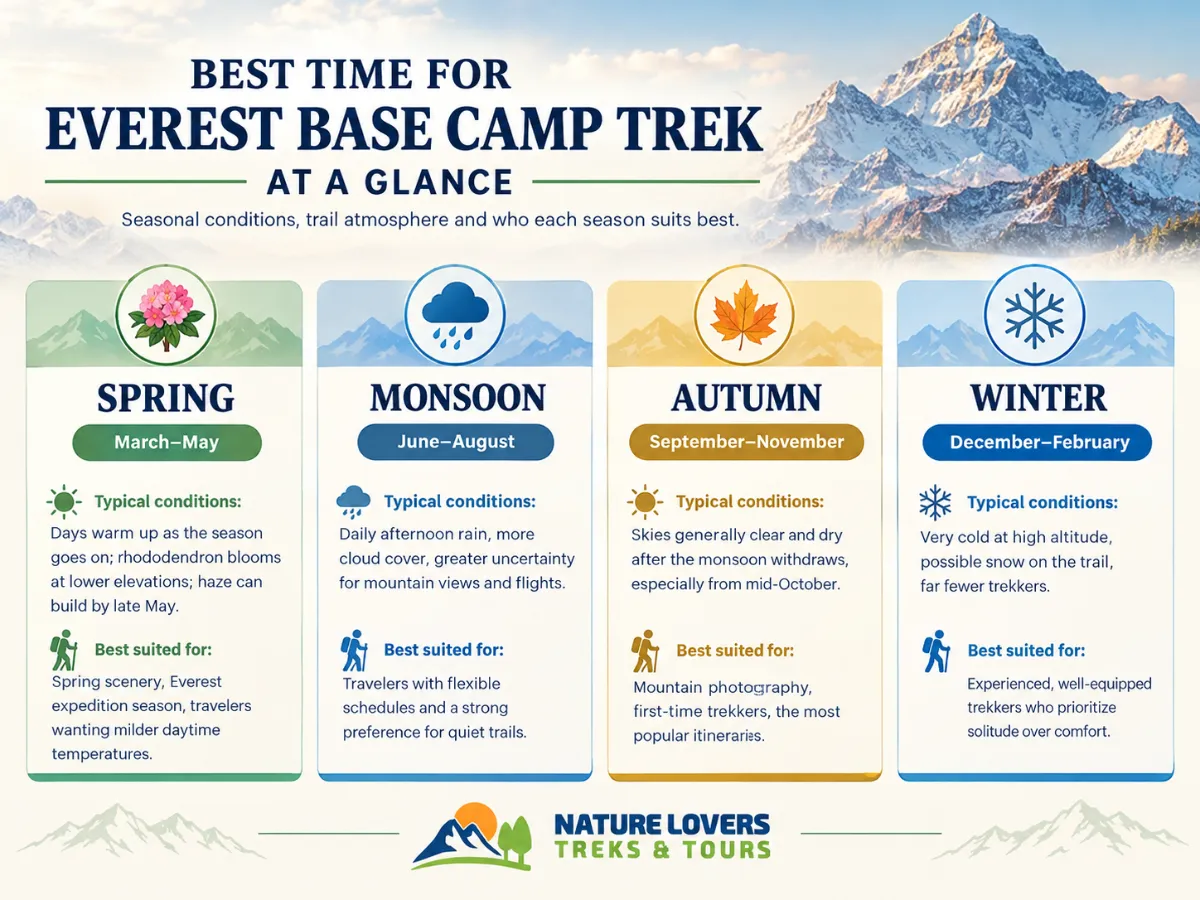
March to May and September to November are the best times for the Everest Base Camp Trek. It is important to know which season and months offer the best mountain views, clear skies, longer daylight hours, blooming forests, and warm temperatures for Everest region treks. The table below provides quick facts about trekking season conditions in Nepal.
Best Months for the Everest Base Camp Trek
April and October are the two best months for the Everest Base Camp Trek. March, May, September, and November also offer warm temperatures, stable weather, clear skies, and longer daylight hours, which suit the Everest Base Camp Trek.
Best Season for Mountain Views
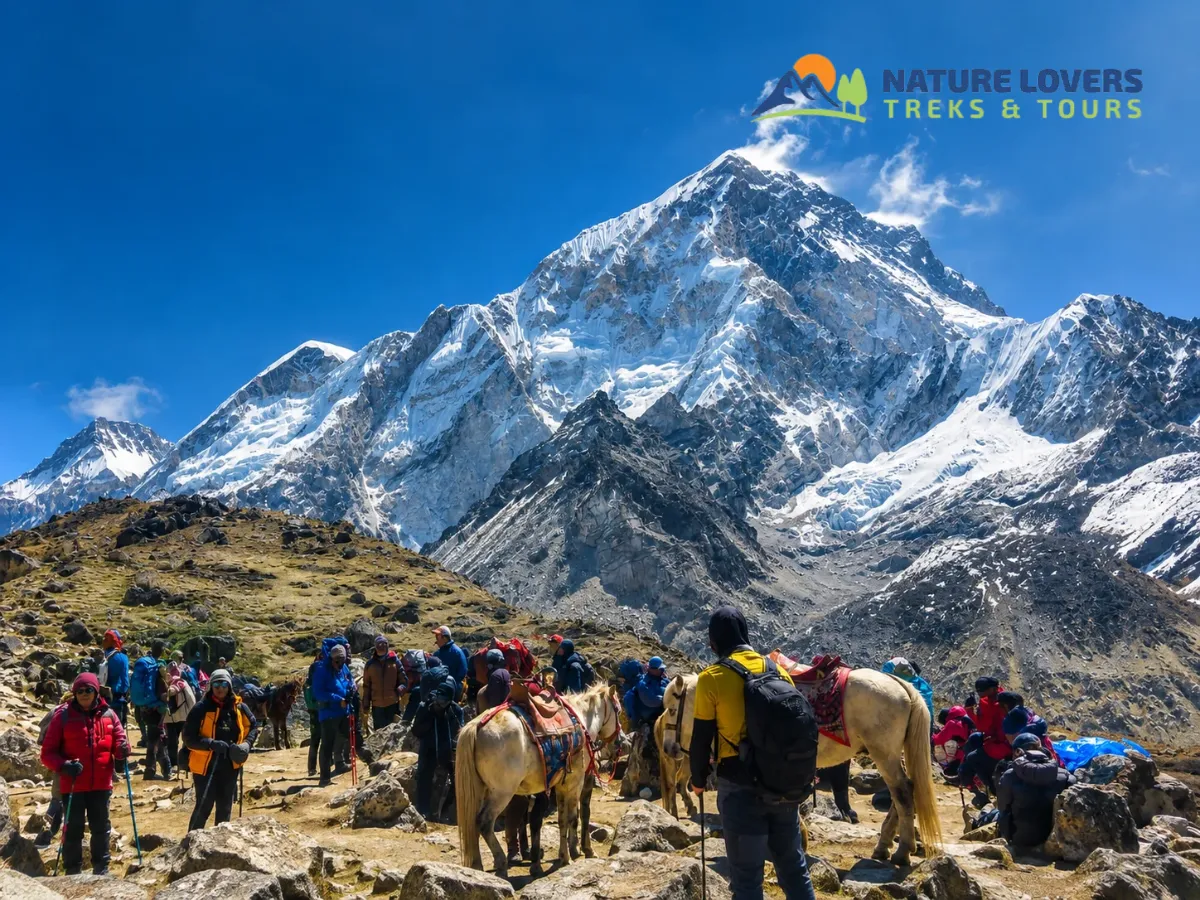
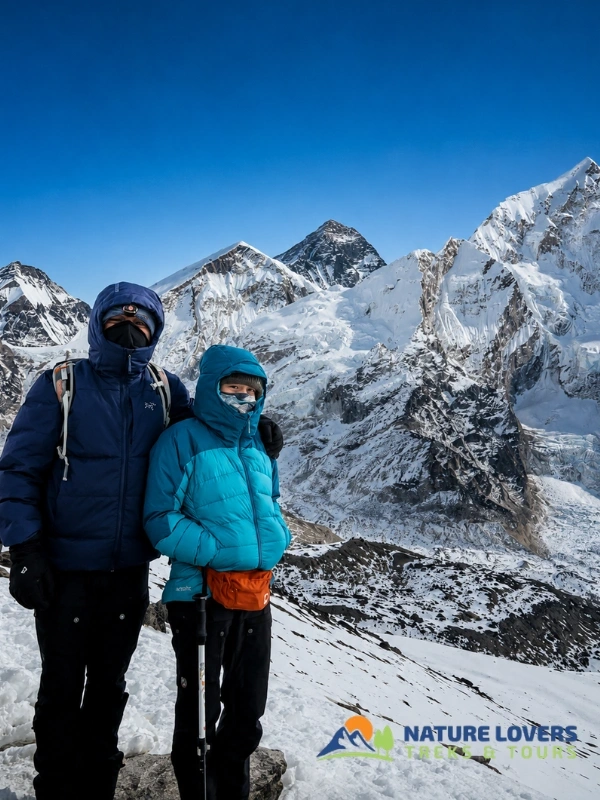
Autumn offers the clearest skies and is the best season for breathtaking snow-capped mountain views after the monsoon rain. From September to November, trekkers can enjoy clear snow-capped mountain views such as Everest, Lhotse, Nuptse, Pumori, Changtse, Ama Dablam, Lobuche, Thamserku, Taboche, Kangtega Chumbu, Khumbutse, and Lingtren under clear blue skies.
Best Time for Warmer Daytime Conditions
Late spring, especially April and May, offers the best warm daytime temperatures and longer daylight hours for high-altitude trekking in Nepal. But nights above 4,500 m stay cold in both spring and autumn.
Best Time for Rhododendron Flowers
Spring (March and April) is the best time for the Everest Base Camp Trek, with the forest, trails, and villages covered in different shades of rhododendron in the Khumbu region. Phakding and Namche Bazaar trails are covered with many wildflowers alongside rhododendrons.
Best Time for Fewer Crowds
Winter (December to February) and the monsoon (September to November) offer less crowded trails compared to peak trekking season. Trekkers can expect quieter, snowier, and slippery trails during this time, which does not suit beginner trekkers.
What Is the Best Season for the Everest Base Camp Trek?
Spring and autumn are the best seasons for the Everest Base Camp trek, which offer suitable temperatures, stable weather, and long daylight hours for high-altitude trekking in Nepal. But remember, trails are crowded, and most teahouses are already packed. Winter and monsoon are less crowded, but the weather and temperatures do not suit beginner trekkers.
Spring Season Everest Base Camp Trek (March to May)
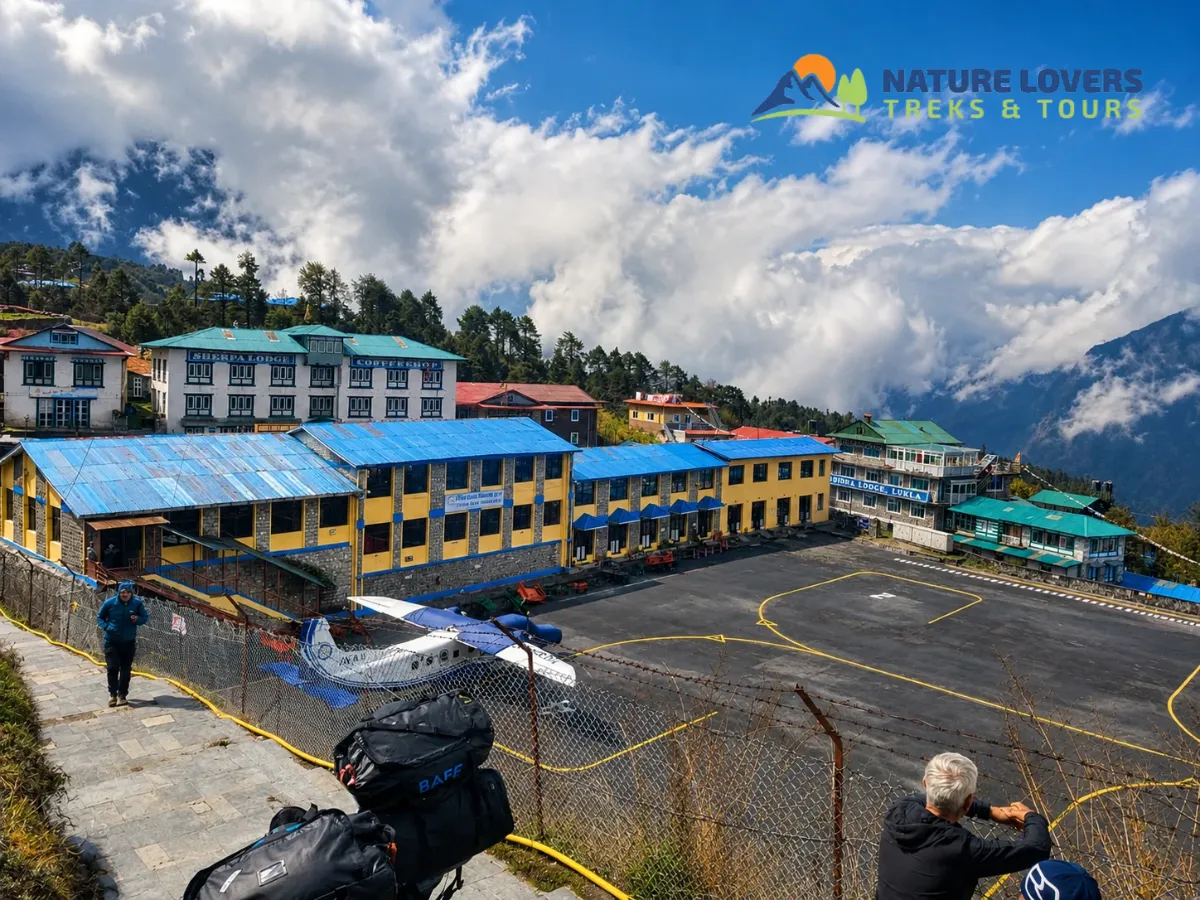
Spring waves goodbye to cold winter, bringing longer daylight, warm temperatures, and stable weather perfect for high-altitude trekking in Nepal. Spring starts in March and lasts until May, the best time for the Everest Base Camp Trek. In lower valley forests, villages, and trails are covered in wildflowers and rhododendron shades. Trekkers can notice busy trails and teahouses as hundreds of travelers visit the Everest region.
Autumn Season Everest Base Camp Trek (September to November)
Autumn starts in September, waving goodbye to the rainy monsoon and bringing clear skies and stable weather that lasts until November. Autumn brings the clearest skies, offering the best breathtaking mountain views of the entire Khumbu Valley region. The Everest region trails are busier, and most teahouses are pre-booked or already occupied.
Winter Season Everest Base Camp Trek (December to February)
Winter starts in December, bringing cold nights and shorter daylight that lasts until February. In winter, a thick layer of snow covers the Everest region, and temperatures drop to -20°C at Gorak Shep. The trails are less crowded than in spring and autumn, so trekkers can enjoy a peaceful adventure exploring the Khumbu region villages. But the cold weather and short daylight do not suit beginner trekkers.
Monsoon Season Everest Base Camp Trek (June to August)
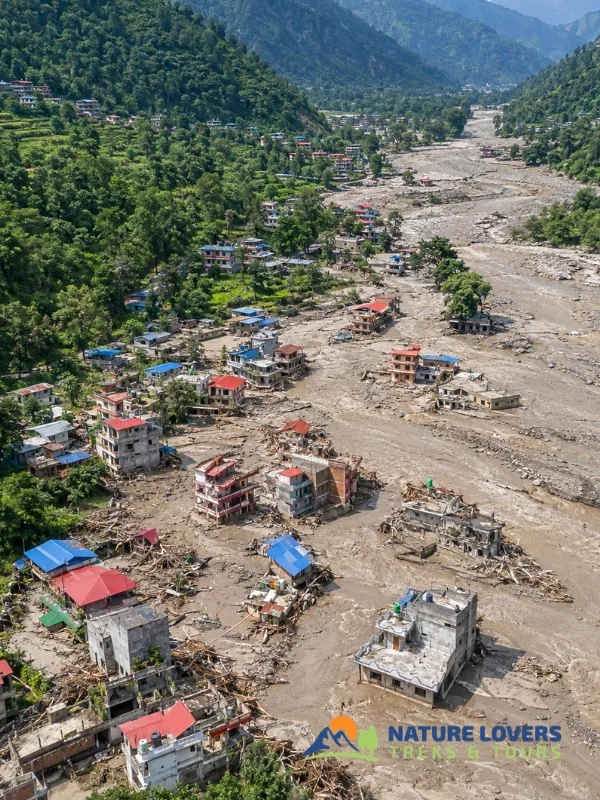
A monsoon is considered the worst season for the Everest Base Camp Trek. The monsoon starts in June and lasts until August, bringing unstable weather and heavy rainfall at lower altitudes. Monsoon Lukla flights are delayed and closed for weeks because dark clouds cover the entire sky. The forests are filled with blood-sucking leeches, and slippery trails are dangerous in high-altitude adventures.
Which season is best for first-time trekkers?
Spring and autumn are best for first-time trekkers to explore the rocky mountain trails of the Khumbu region. Spring offers warm temperatures, stable weather, longer daylight, and blooming flowers. Autumn offers warm temperatures, stable weather, and clear skies perfect for enjoying the breathtaking mountain views.
Everest Base Camp Trek Weather by Month
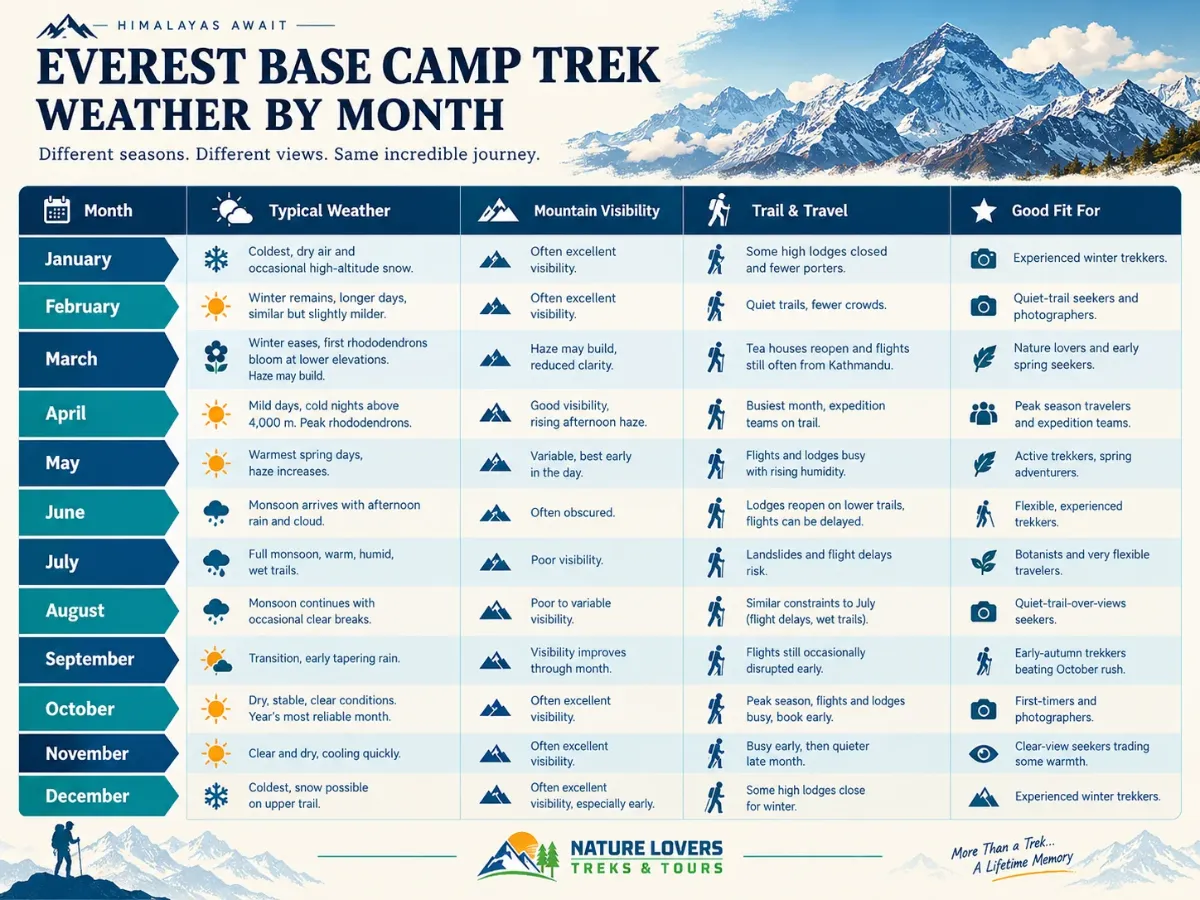
The table below shows the Everest Base Camp weather conditions, mountain visibility, trails, and travel notes for trekkers. Even in early spring, trekkers may notice leftover cold air from winter and the monsoon, and in autumn, leftover rainy clouds, so it is important to know Everest Base Camp weather by month.
Best Month for First-Time Trekkers
October and April are considered the best months for first-time trekkers for the Everest Base Camp trek. But remember, trails are busy, and most teahouses are already occupied or prebooked, so prepare accordingly.
Best Month for Clear Mountain Views
Late October through November offers breathtaking mountain views of the entire Khumbu region under clear blue skies.
Best Month for Mountain Photography
October and November bring the clearest skies and beautiful mountain views perfect for photos of the world's tallest mountains above 8,000 m.
Best Month for Rhododendron Flowers
In late March and April, lower-altitude villages, forests, and trails between Phakding and Namche Bazaar are covered in different shades of rhododendron alongside other wildflowers.
Best Month for Warmer Daylight Conditions
May offers warmer daylight among the two main seasons (spring and autumn) for the Everest Base Camp Trek.
Best Time for a Quieter Trekking Experience
January, February, and the monsoon are the best months for a quieter trekking experience. But trails are more challenging and do not suit first-time trekkers.
Everest Base Camp Trek Temperature by Month
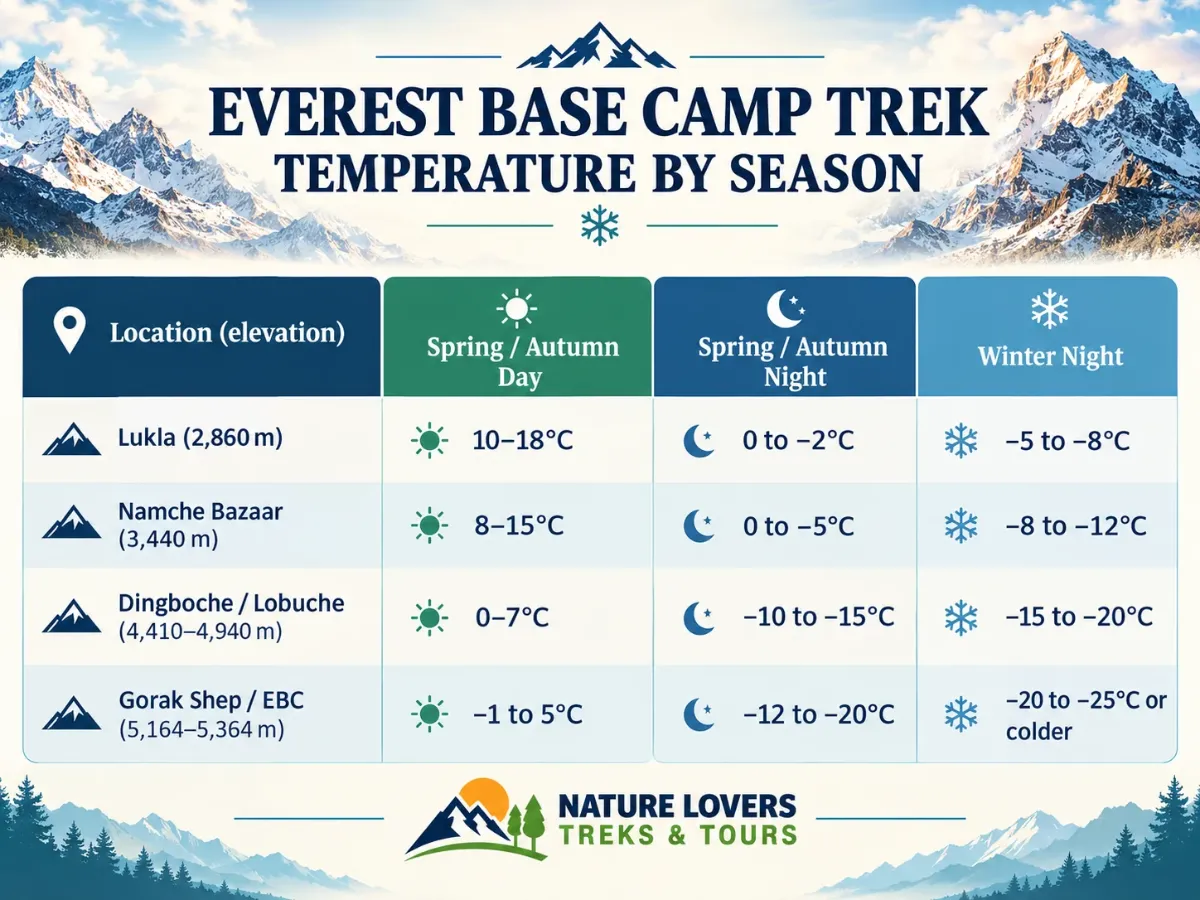
Trekkers cross 2,500 m above sea level on the first day. The first stop, Lukla, is located 2,800 m above sea level. Trekkers can expect colder temperatures than in Kathmandu because of the huge altitude difference. The information below can help, but treat it as baseline information and prepare accordingly.
Temperature in Lukla
Lukla is located at 2,800 m above sea level. Spring and autumn daytime temperatures range from 10°C to 18°C and drop below 0°C in winter.
Temperature in Namche Bazaar
Namche Bazaar is located at 3,440 m above sea level. Daytime temperatures in spring and autumn are around 8°C to 15°C, and 0°C to -5°C at night. In winter, temperatures fall to around -10°C.
Temperature in Dingboche and Lobuche
Above 4,400 m, daytime temperatures in spring and autumn sit between 0°C and 7°C and fall to -10°C to -15°C in winter.
Temperature at Gorak Shep and Everest Base Camp
Above 5,000 m, daytime temperatures in peak season are low and drop significantly more than at lower elevations. Daytime temperatures are around -15°C to -20°C; trekkers can expect heavy snowfall in winter.
Why Are High-Altitude Nights So Cold
The air gets thinner, and atmospheric pressure decreases, so there is less heat in the atmosphere. So the sun drops, and air temperature falls fast. Night temperatures above 4,000 m fall to freezing, especially at exposed points like Lobuche and Gorak Shep.
When Can You See Mount Everest Most Clearly?
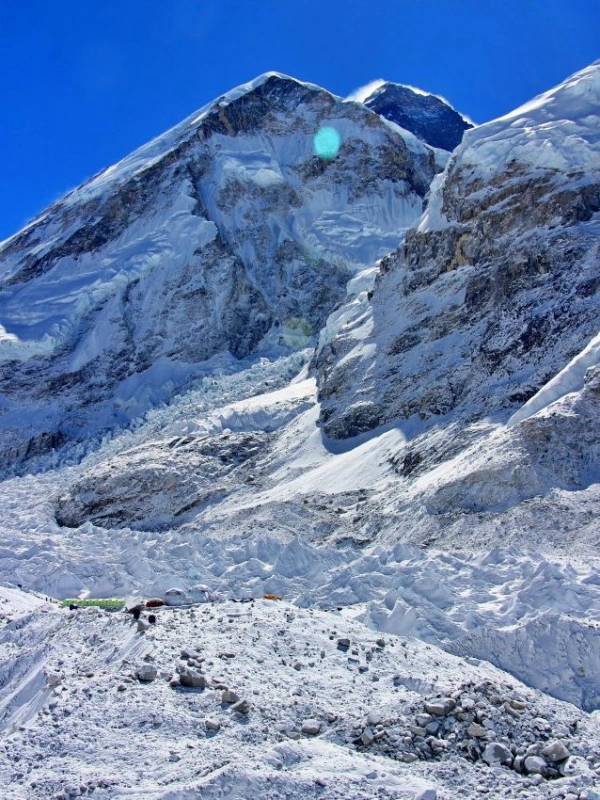
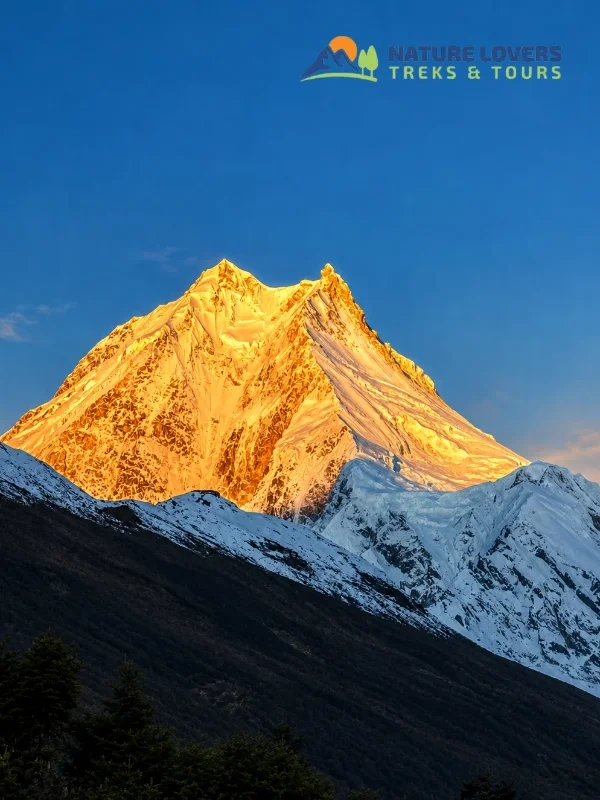
Autumn offers the clearest skies, and trekkers can enjoy the majestic view of Mount Everest alongside other tall mountains located in the Khumbu region.
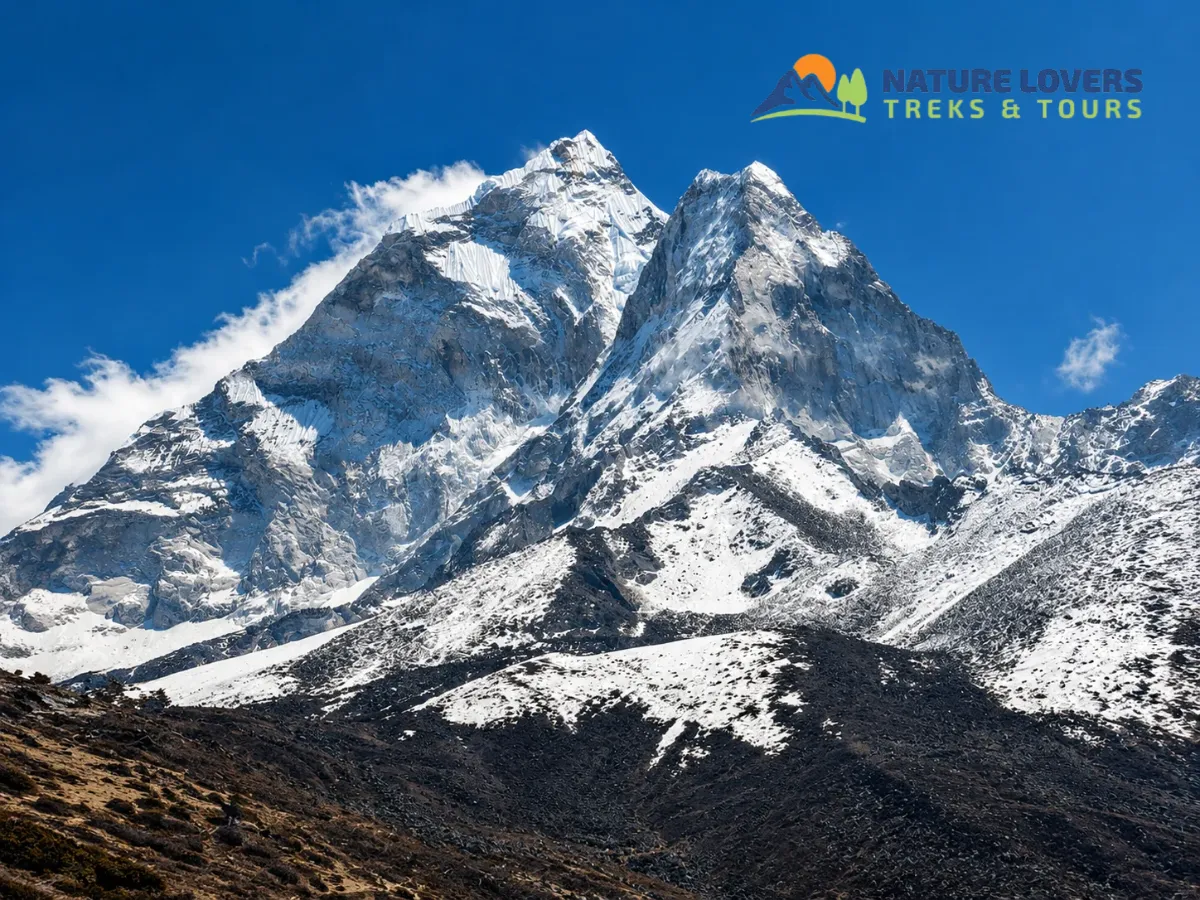
Best Season for Clear Himalayan Views
Autumn, particularly from mid-October through November, after the monsoon has cleared the valley of moisture and before winter winds pick up dust.
Best Time of Day for Mountain Photography
Early morning, almost year-round. Clouds tend to build through the day as warm air rises off the valleys, so the clearest window usually closes by late morning or early afternoon.
How Cloud and Haze Affect Visibility
Pre-monsoon haze builds through April and May as dust and rising temperatures thicken the lower atmosphere. Post-monsoon autumn air is typically the cleanest of the year until winter's drier winds start stirring up dust again.
What Happens When Mountain Views Are Poor?
Clouds can roll in within an hour and sit for a day or more, particularly during the monsoon or on an unlucky spring afternoon. Most itineraries build in enough days that a cloudy morning at Base Camp doesn't mean missing the mountain entirely, and the walk back out often reopens the view.
How the Season Affects Your Everest Base Camp Trek
Beyond weather and views, the season you choose changes several practical pieces of the trip.
Trail Conditions and Snow
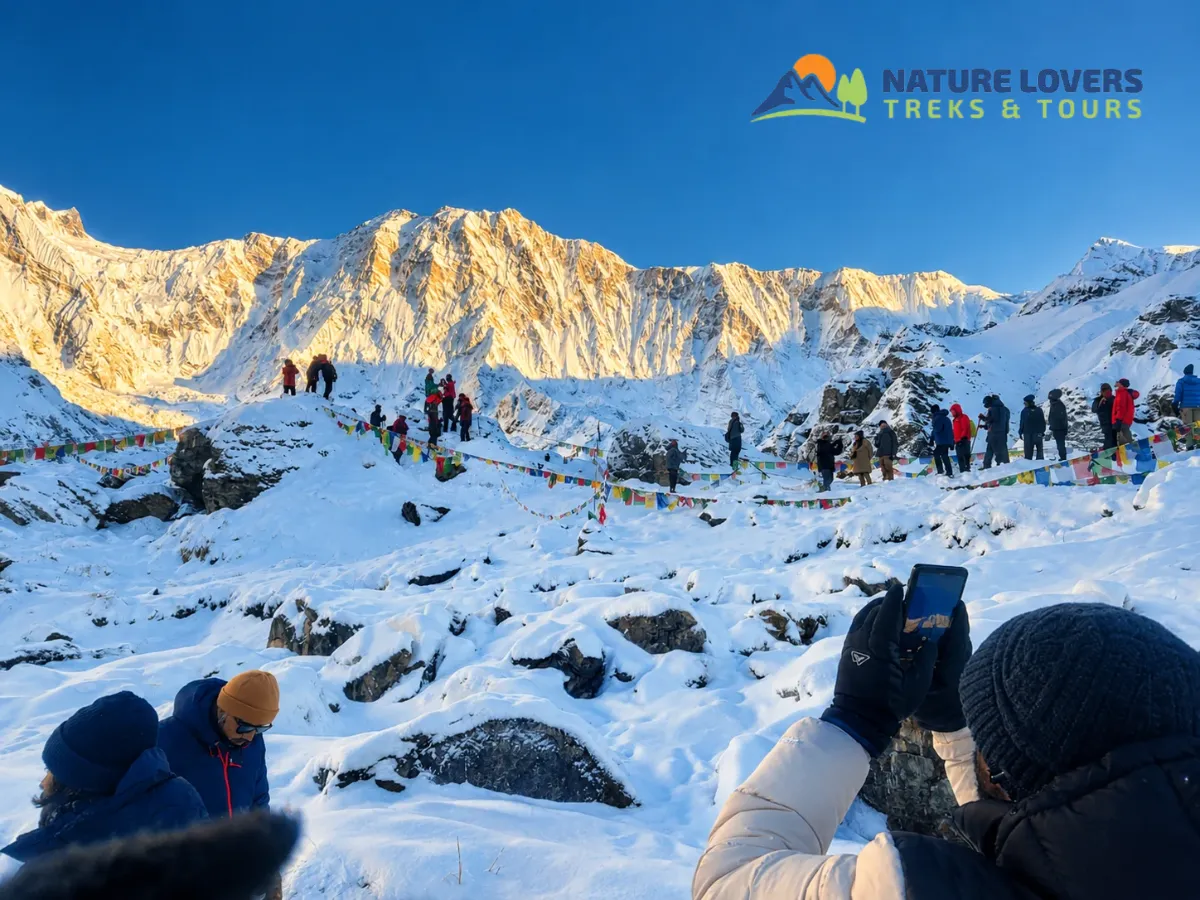
Fresh snow is most likely in winter and can occur in early spring above Dingboche, and monsoons bring mud rather than snow at most trekking elevations.
Lukla Flights and Buffer Days
During peak spring and autumn months, most Lukla flights now operate from Manthali Airport in Ramechhap rather than Kathmandu, a shift the Civil Aviation Authority of Nepal put in place to reduce congestion at Kathmandu's single runway; in the quieter winter and monsoon months, flights more often run directly from Kathmandu depending on the airline. Whichever airport you fly from, build at least two buffer days into your schedule for weather delays. It's standard practice on every EBC itinerary we run.
Teahouse Availability and Seasonal Demand
October and April can mean fully booked lodges at popular stops. Winter and monsoon rarely do, though some upper-route teahouses reduce service or close outside the main seasons.
Trekking Costs and Booking
Demand during peak months can push flight and lodge prices up, while off-season trips sometimes come in a little cheaper. Compare itemized quotes rather than assuming a flat seasonal markup, since group size, service level, and inclusions affect price more than the season does.
Crowds Along the Everest Base Camp Route
April and October see the heaviest trail traffic and expect a noticeably quieter path in January, February, or the monsoon months.
Choosing Dates Around Your Holiday Schedule
If your travel dates are fixed well in advance, build in flight buffer days on both ends of the trek, and consider arriving a day or two before your trek start in case your own international flights run late.
Final Thoughts on Best Time for the Everest Base Camp Trek
Spring and autumn remain the most dependable windows for weather and mountain views. April and October lead for popularity, and winter or monsoon suit trekkers chasing solitude over comfort. Whichever season fits your priorities, the trail stays the same. Only how it feels to walk it changes.
Talk to our team about current package inclusions, available departure dates, and what to prepare for your chosen season.