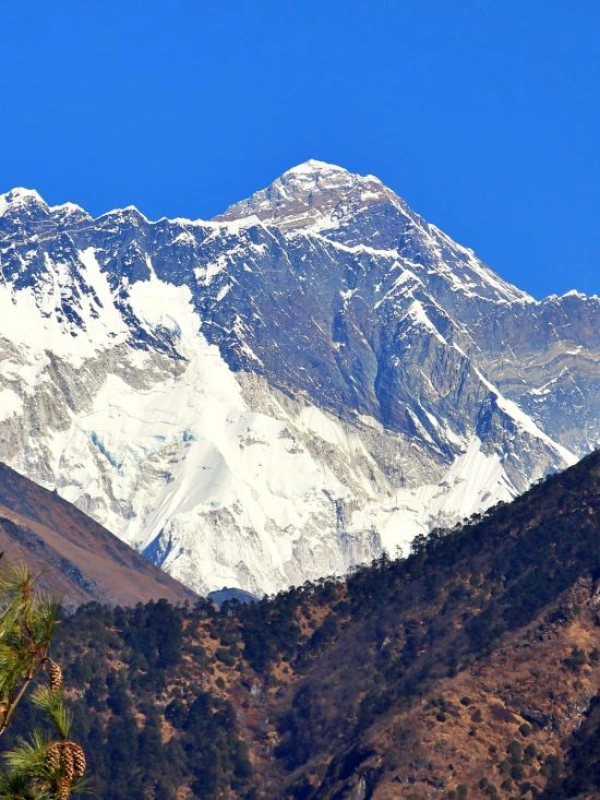
Everest Base Camp Trek - 14 Days

171 Reviews in TripAdvisor
57 Reviews in Google

Join the 14-day Everest Base Camp Trek and explore the diversity of the high-altitude Himalayan terrain. Explore ancient Sherpa villages as you take in the picturesque views of the high mountain peaks. Suitable for experienced trekkers, this journey blends high-altitude challenges and cultural immersion, giving you a comprehensive experience of the legendary EBC trails.

The Everest Base Camp journey features the thrilling flight to Lukla, cultural immersion in the Sherpa heartland, and two critical acclimatization stops before reaching the Everest Base Camp (5,364m) and the iconic Kala Patthar (5,555 m) summit.

Duration
14 Days
Trip Grade
Strenuous
Country
Nepal
Max Altitude
5,555 meters
Starts
Kathmandu
Ends
Kathmandu
Group Size
Flexible
Activities
Trekking and Hiking
Best Time
March - May | Sep - Dec

Nature Lovers Treks and Tours takes you on a 14-day high-altitude expedition to the foot of the world’s tallest peak, Mount Everest. Designed for experienced trekkers, this EBC journey traverses through picturesque Sherpa villages, offering breathtaking views of the Himalayan landscapes.

Delve deep into Sherpa heartlands as you take in the unique culture and lifestyle along the path that takes you through the awe-inspiring Dudh Koshi gorge, across thrilling suspension bridges, and the demanding, rugged terrain of the Himalayas.

Your 14-day EBC adventure begins in Kathmandu or Ramechhap (Manthali), with a scenic flight to the Tenzing-Hillary Airport in Lukla. Upon reaching the airport, you will immediately start a steady climb into the Sagarmatha National Park. The journey winds through lush forests and rugged terrain, depending on the altitude. You will also visit several landmarks, including the bustling trade center of the Khumbu region, Namche Bazaar, and the spiritual sanctuary of Tengboche.

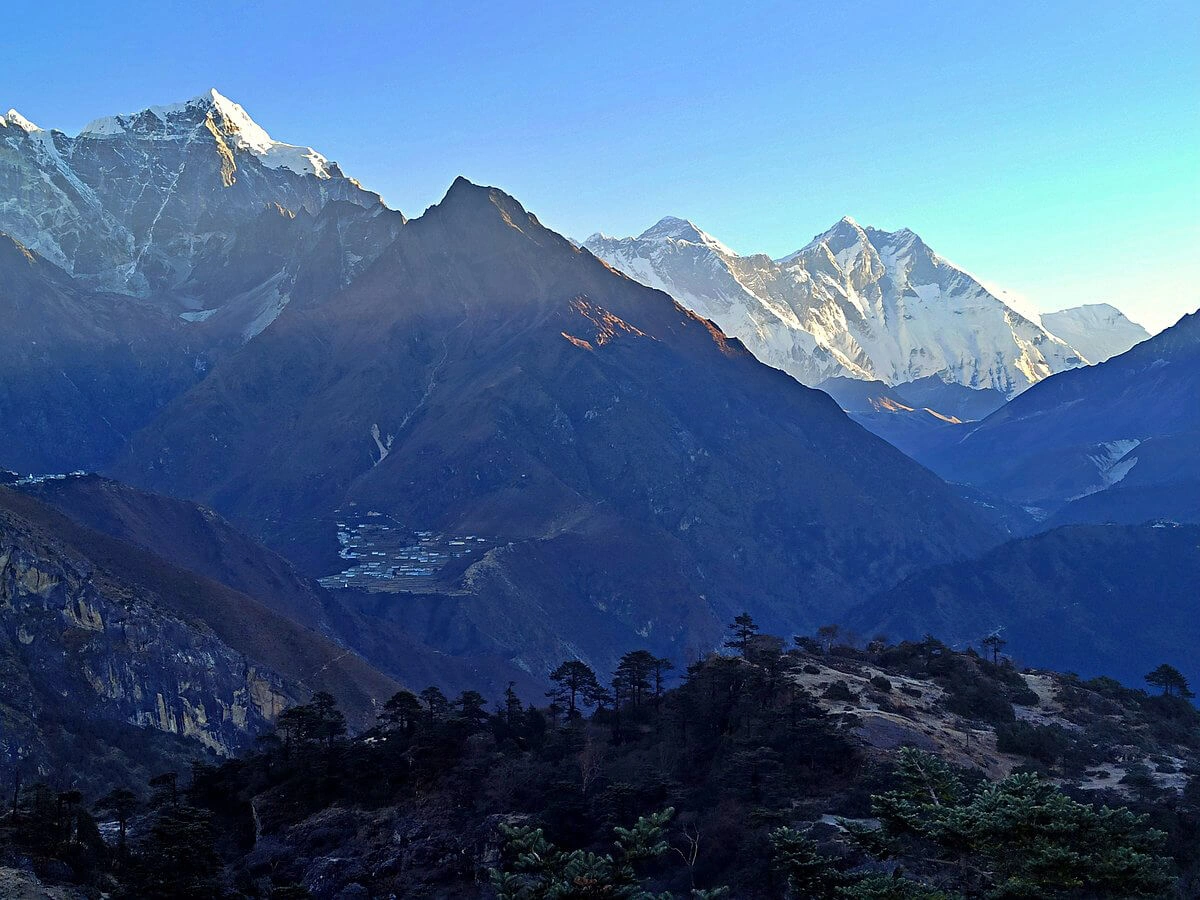
This trek introduces you to several physical challenges. Despite the difficulty, you are rewarded with constant views of the Himalayan landscapes and mountains, including the vast Khumbu Icefall, Ama Dablam, Lhotse, and Nuptse. Considering the challenges, we recommend this 14-day Everest Base Camp Trek for experienced trekkers with good physical fitness and mental resilience. However, to ensure your safety, our travel experts have included two essential acclimatization stops to help you adjust to the increasing altitude and prepare for further trek.

Fulfill your Himalayan dreams in just 14 days. Secure your Everest Base Camp Trek spot today. 2026/2027 slots are limited.

Why Go on the 14-day Everest Base Camp Trek in Nepal?

It is every trekker’s dream to stand on the foot of Mount Everest, the world’s highest peak. Nature Lovers Treks and Tours makes your dream a reality with this elite EBC trek. Immerse yourself in Sherpa culture and lifestyle as you hike along this legendary trail.

Here are the top reasons to choose the Everest Base Camp Trek in Nepal:

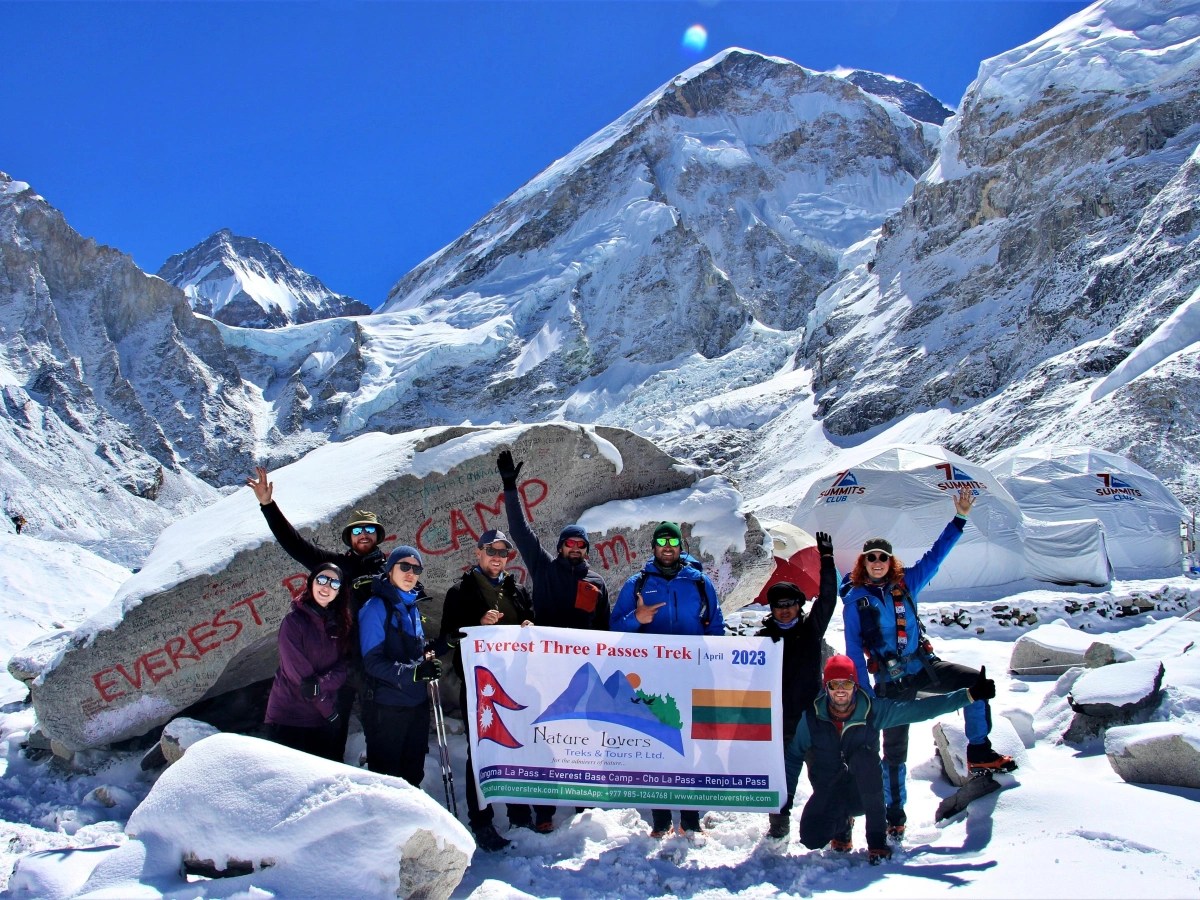
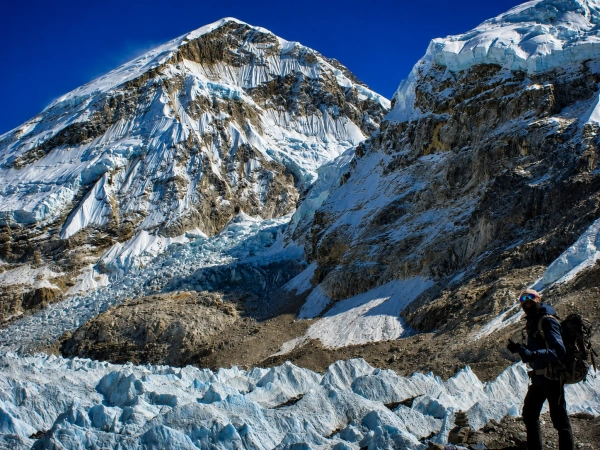
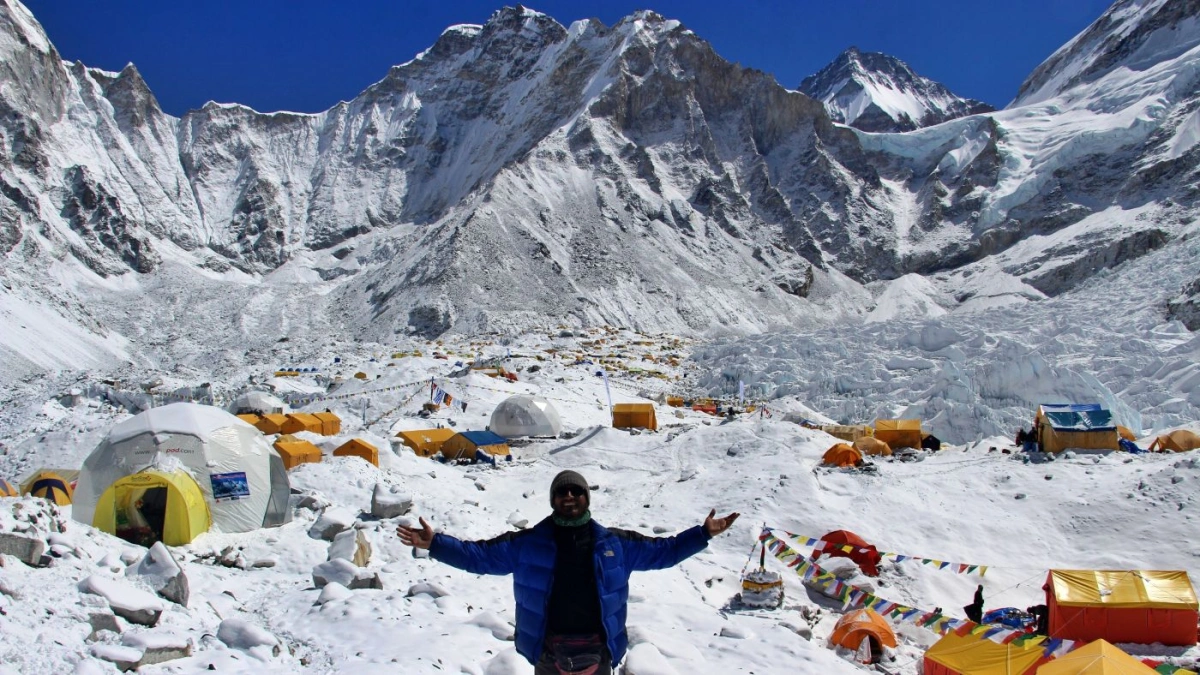
Reach the Base of Mount Everest: The Everest Base Camp Trek takes you along the legendary trails of the Khumbu region, through charming Sherpa hamlets. As you traverse the diverse Himalayan terrain, you will reach your ultimate destination, the Everest Base Camp. Here, you will experience a sense of profound accomplishment as you relish the sight of the dramatic Khumbu Icefall and the bustling base camp area where climbers prepare for their Everest ascent.

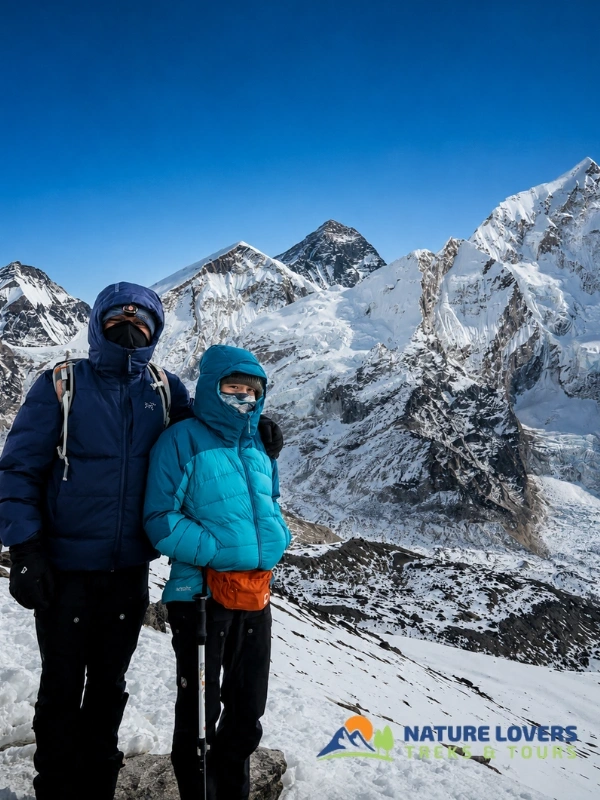
Sunrise View over Mt. Everest from Kala Patthar: Kala Patthar (5,555 meters) is the pinnacle of your EBC journey. To get to this highest elevation point, you will begin a pre-dawn climb along the rigorous terrain. You will reach the Kala Patthar vantage point just in time to watch the first rays of the sun break over the Himalayan skies. Enjoy the horizon transform into a golden glow as the sun peeks through Lhotse, Nuptse, and the iconic Mount Everest.

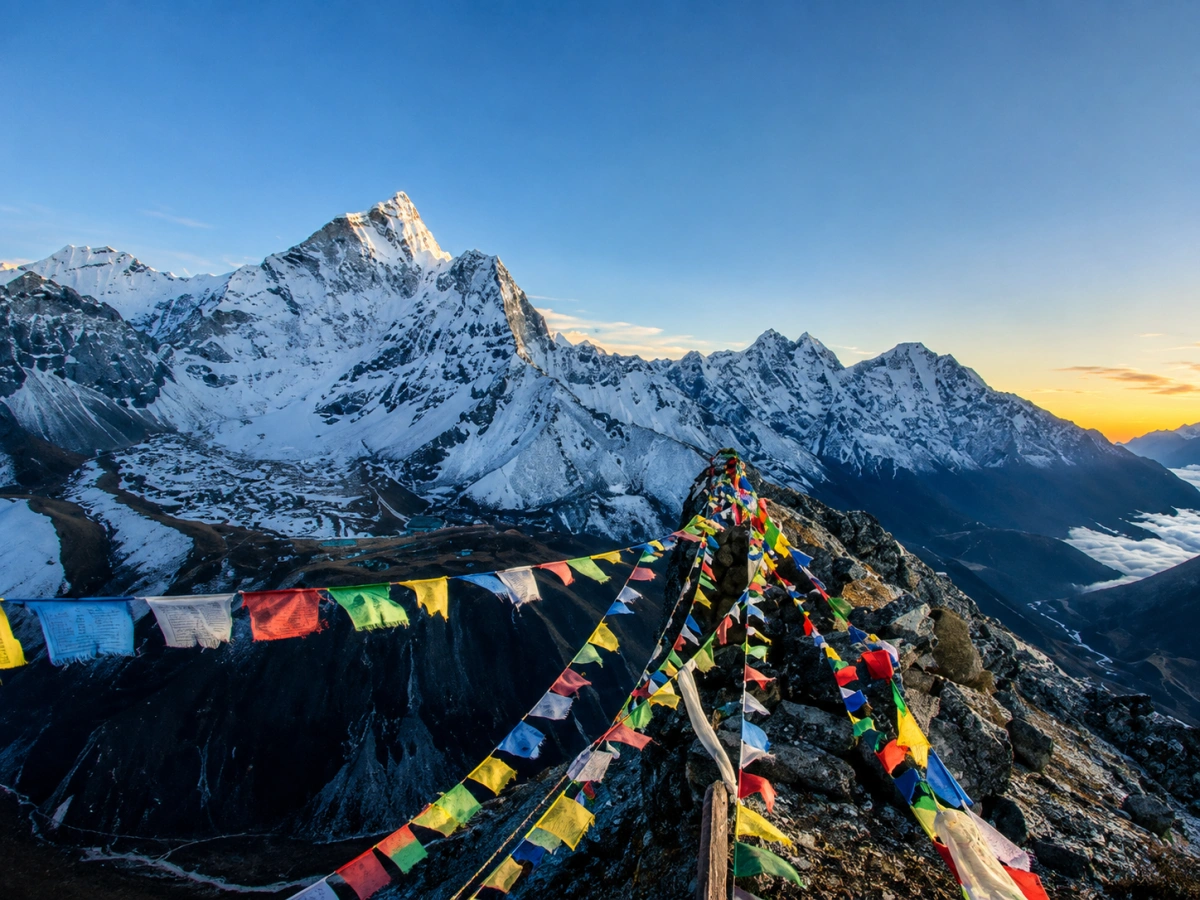
Immersive Sherpa Culture: The Everest Base Camp Trek takes you through several charming villages, each unique from the other. You can experience genuine hospitality as you visit historic monasteries, such as the Tengboche Monastery, ancient mani walls, and prayer flags. The trek also allows you to interact with the locals and learn about their unique high-altitude mountain lifestyle and spiritual heritage.

Your EBC trek begins from Kathmandu with a scenic flight to Lukla’s Tenzing-Hillary Airport. During this flight, you will enjoy breathtaking aerial views of the Himalayan landscape, including the deep valleys and rugged terrain you are about to explore

A Typical Day During the 14-day Everest Base Camp Trek in Nepal 2026/2027

The Everest Base Camp Trek is a fast-paced itinerary that requires an early start and a consistent pace. Your day begins early to take advantage of the early morning weather and also to ensure you reach your next destination on schedule. The morning consists of a nutritional breakfast in your teahouse, typically featuring local staples like Tibetan bread or tsampa. After breakfast, you will head out on the vast trails with your professional guide and fellow trekkers, traversing the landscape that gradually transforms from sub-tropical forests at low altitudes to high-altitude alpine desert.

At around midday, you will stop for lunch at a trailside lodge or resthouse. Lunch consists of a hearty serving of dal-bhat (rice and lentils). After lunch, the trek continues along the legendary trails. Ensure you maintain a steady but manageable pace, allowing your body to adapt to the lower atmospheric pressure and oxygen levels.

By late afternoon or early evening, you will reach your designated teahouse. Once settled, you can head to the communal dining area for a relaxed evening. Here, you can interact with fellow travelers, share travel tales, or engage in board games. After dinner, your guide will provide a briefing for the next day’s itinerary.

Cost of the Everest Base Camp Trek: Permits, Guides, Porters, and Transport 2026/2027

Everest Base Camp Trek is an elite Himalayan adventure. Nature Lovers Treks and Tours provides an all-inclusive EBC package, ensuring a safe and comfortable adventure. However, the total cost for the Everest Base Camp Trek in Nepal can vary based on individual preferences. Your choice of accommodation, transport method, trekking duration, and extra services typically determines your final pricing.

With Nature Lovers Treks and Tours, you will find all necessary logistics, including permits, certified trekking guides, full-board meals during the trek, standard teahouse lodging, and round-trip flights between Kathmandu and Lukla.

For more personalized details, get in touch with our travel experts.

Major Highlights of the 14-day Everest Base Camp Trek

  • A thrilling and scenic flight from Kathmandu/Ramechap to Lukla.
  • Trekking through verdant valleys and crossing the legendary Hillary Suspension Bridge.
  • Acclimatizing in the vibrant Sherpa capital of Namche Bazaar (3,440m).
  • Visiting Tengboche Monastery, the Khumbu’s largest spiritual center, featuring views of Ama Dablam.
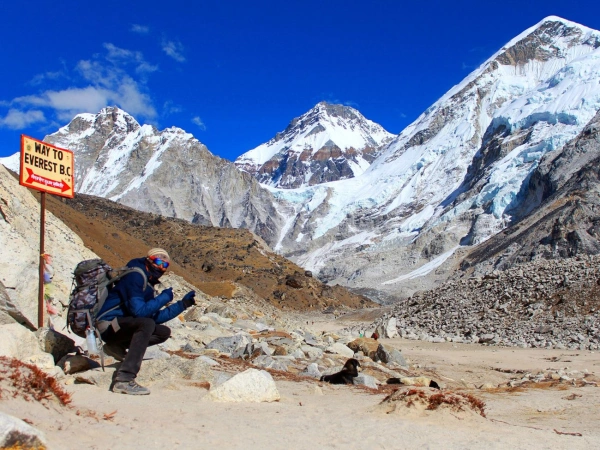
  • Fulfilling the ultimate goal of reaching Everest Base Camp (5,364m).
  • Climbing Kala Patthar (5,555 m) for the most iconic panoramic views of Mt. Everest.
  • Deeply experiencing the traditions and culture of the Sherpa people.
  • Exploring historic cultural sites, including the Tengboche Monastery.

Lukla Flight Information During the Everest Base Camp Trek

The 14-day Everest Base Camp Trek begins with a scenic mountain flight to Lukla’s Tenzing–Hillary Airport, one of the most dramatic and adventurous airports in the world. The flight offers spectacular aerial views of rolling hills, deep valleys, and the snow-capped peaks of the Himalayas before landing in the heart of the Everest region.

During peak trekking seasons (spring and autumn), most Lukla flights operate from Ramechhap Airport instead of Kathmandu due to air traffic management. The flight duration is approximately 30–35 minutes from Kathmandu and around 20-25 minutes from Ramechhap. For flights departing from Ramechhap, travelers must first take a 3–4 hour drive to reach Ramechhap Airport. All Lukla flights are scheduled early in the morning when weather conditions are most stable.

As Lukla flights are highly weather-dependent, delays and cancellations can occur. For this reason, we strongly recommend keeping at least one buffer day in your travel plan. In case of prolonged delays, helicopter flights to or from Lukla can be arranged as an alternative option at an additional cost, subject to weather conditions.

Nature Lovers Treks and Tours closely monitors flight schedules and weather updates to ensure smooth coordination of your Lukla flights during the Gokyo Lake Trek 2026/2027, helping you begin and end your Himalayan adventure as comfortably as possible.

Customized Everest Base Camp Trek 2026/2027

The Everest Base Camp Trek is a comprehensive package that provides a hassle-free adventure. Our 14-day itinerary covers all logistics, including ground transport, flights, professional guides, lodging, and meals.

However, we understand every traveler has different needs, so we also provide a fully tailored Everest Base Camp Trekking option. By choosing our customized EBC package, you can select your preferred lodging, include helicopter transfers, or extend the duration of your trek.

Discuss your preferences with our travel experts, and we will create an itinerary that perfectly aligns with your interests.

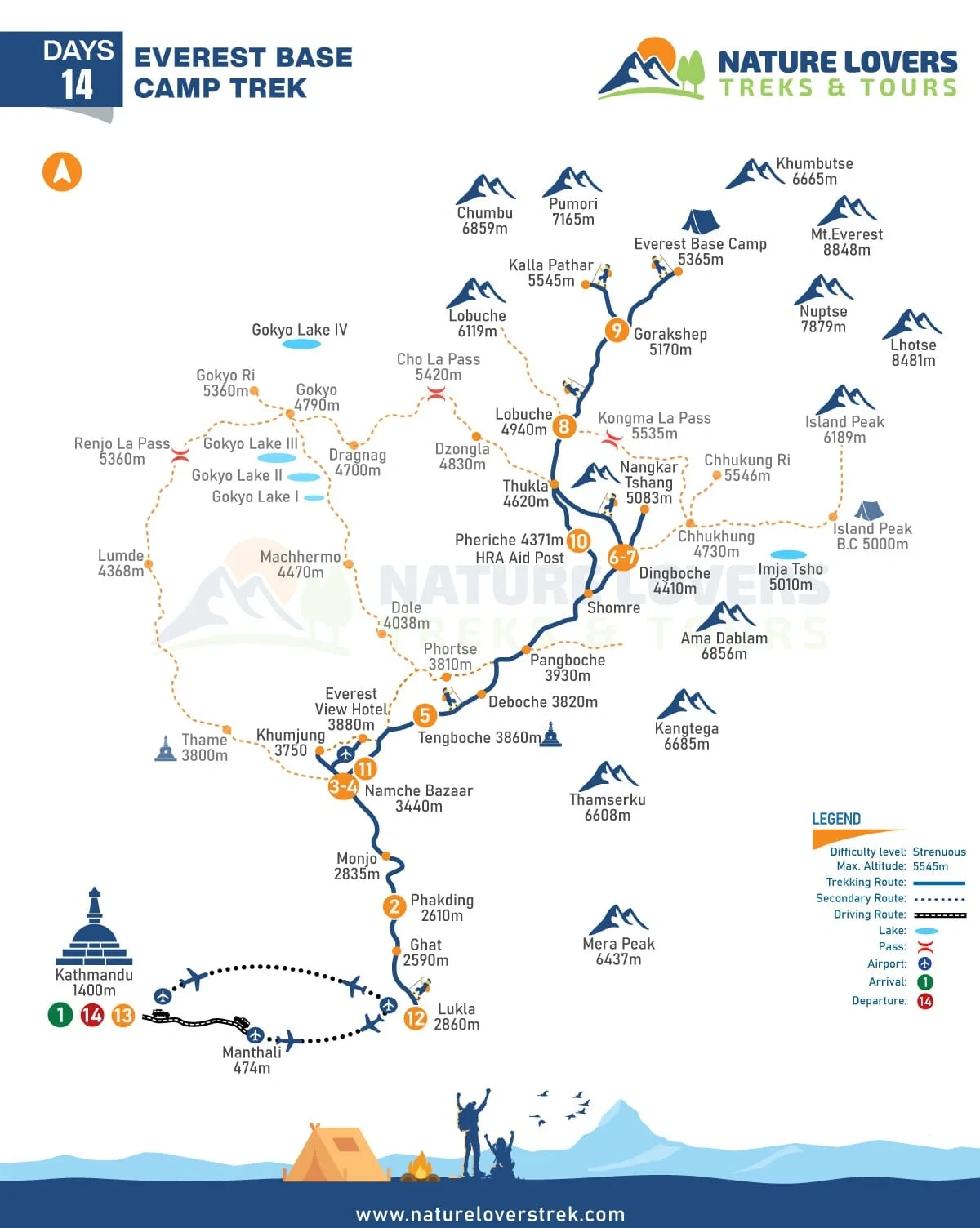
Short Itinerary & Altitude

Route Map

Everest Base Camp Trek - 14 Days Detailed Itinerary

Day 1

Arrival in Tribhuvan International Airport (1,400m) and transfer to Hotel

Welcome to Nepal

Your 14-day Nepal Everest Base Camp Trek officially begins upon your arrival at the Tribhuvan International Airport in Kathmandu. Our representatives will meet you at the arrival gates and assist with the transfer to your hotel in the heart of Kathmandu. Upon checking into your hotel, you can explore the vibrant capital of the country and immerse yourself in its incredible atmosphere. In the evening, you will meet our company representative for the trek briefing.

Day 2

Fly from Kathmandu/Ramechhap to Lukla (2,860m) and trek to Phakding (2,610m)

Tok Tok Village

Your Everest Base Camp Trek begins with a short and scenic flight to Lukla. Depending on the flight availability, you will either board your flight to the Tenzing-Hillary Airport from Kathmandu or take a pre-dawn ride to Ramechap to catch your flight from Manthali. Your flight offers stunning aerial views of the mighty mountains and the Himalayan landscape before landing in the famous Tenzing-Hillary Airport.

Soon after arrival, you will meet your crew and begin your walk through the descending trails toward the Dudh Koshi River and along the lush landscapes to your overnight destination in Phakding.

Day 3

Trek from Phakding to Namche Bazaar (3,440m)

Namche Bazaar

Today’s journey takes you along the banks of the Dudh Koshi River. You will cross several suspension bridges, including the iconic Hillary Suspension Bridge. The journey leads you to Monjo, the entry point into the Sagarmatha National Park, before taking on the steep ascent through pine forests toward the commercial hub of Namche Bazaar.

From this historic Gateway to Everest, you can also find glimpses of the mighty Mount Everest, peeking over the Lhotse-Nuptse ridge.

Day 4

Acclimatization Hike to Everest View Hotel (3,880m) from Namche

Himalayas

Today’s itinerary is dedicated to acclimatization. Since you are rapidly gaining altitude, it is crucial to allow your body to adjust to the high elevations, which also significantly reduces the risks of Acute Mountain Sickness (AMS) or altitude sickness.

On this acclimatization day, you will hike to the Everest View Hotel. This higher altitude trek follows the crucial “climb high, sleep low” strategy. From the Everest View Hotel, you can find rewarding views of the Everest, Ama Dablam, Thamserku, and other surrounding peaks. During your descent to Namche, you can also visit the local Sherpa museum.

Day 5

Trek from Namche Bazaar to Tengboche (3,860m)

Tengboche

From Namche, the trek continues along the scenic ridge that offers beautiful views of the majestic Himalayan peaks. You will descend from the ridges toward the river at Phungi Thenga. This is a popular rest point where you can stop for lunch before taking on the steady ascent through rhododendron forests to Tengboche, the spiritual heart of the Khumbu region. In Tengboche, you can visit the legendary monastery and witness the evening prayers against the mountainous backdrop.

Day 6

Trek from Tengboche to Dingboche (4,410m)

Pangboche

Today, the journey crosses through the Imja Khola before ascending to the village of Pangboche. As you trek into the higher elevation, you will notice a gradual shift in the terrain and vegetation. The trees are replaced by shrubs and hardy grasses of the alpine zone as you continue toward the Imja Valley to reach your destination of Dingboche.

Day 7

Acclimatization Hike to Nangkartshang Peak (5,083m) from Dingboche

Nangkartshang Vantage Point

In Dingboche, you will spend your second crucial acclimatization day. As a part of your itinerary, you will hike to the higher elevation of Nangkartshang Peak before returning to your teahouse. This helps you improve your oxygen processing and adjust to the high altitude environment.

From the Nangkartshang Peak vantage point, you can admire the towering south face of Lhotse and get impressive views of Ama Dablam and Imja Valley.

Day 8

Trek from Dingboche to Lobuche (4,940m) via Thukla Pass (4,830m)

Everest Memorial at Thukla pass

From Dingboche, the trail heads north and passes through the wide valley toward Thukla. From Thukla, the journey takes you on a steep climb over the terminal moraine of the Khumbu Glacier. At the top, you will find a collection of stone memorials, dedicated to the climbers who lost their lives on Everest. From here, the terrain is comparatively leveled out as you approach the small settlement of Lobuche.

Day 9

Trek from Lobuche to Gorakshep (5,164m) and hike to Everest Base Camp (5,364m)

Gorakshep

Your journey today takes you to your ultimate destination of Everest Base Camp. To start the day’s trek, you will journey from Lobuche across the rocky moraines to Gorakshep. Here, you will check into your teahouse and enjoy a quick lunch. Next, you will head to Everest Base Camp and stand at the foot of the world’s highest peak. You can relish the dramatic Khumbu Icefall and soak in the ambiance of this legendary site before returning to your Gorakshep teahouse for the night.

Day 10

Sunrise hike to Kala Patthar (5,555m) and trek down to Pheriche (4,371m)

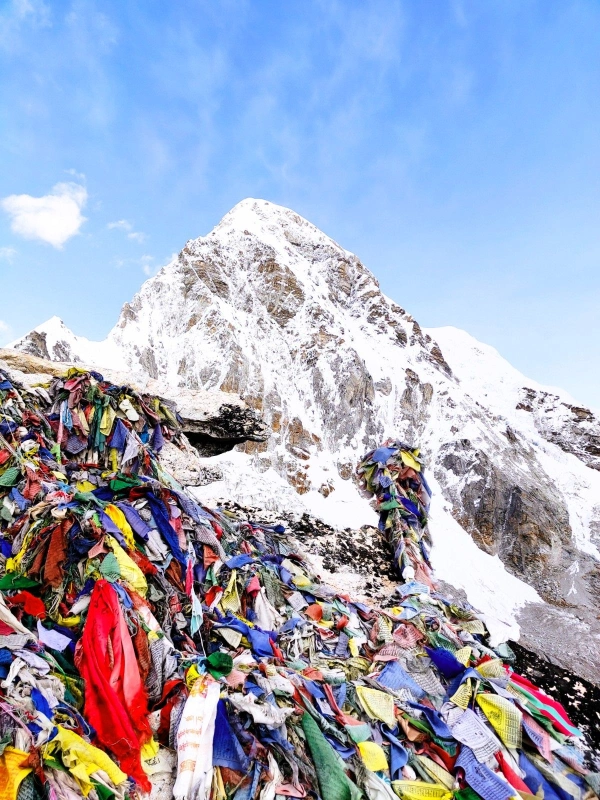
Kala Patthar

The trek to Kala Patthar begins before dawn. With the help of headlamps and flashlights, you will navigate your way across the rocky trails to the pinnacle of your EBC trek. You will reach the Kala Patthar vantage point just in time for the sunrise. Watch the golden rays of the sun take over the Himalayan horizon as the skies glisten in shades of gold over the majestic Mount Everest, Lhotse, and Nuptse. After enjoying this magical view, you will head back to Gorakshep for breakfast and begin your downhill journey to Pheriche.

Day 11

Trek from Pheriche to Namche Bazaar

Leaving Pheriche

Your descent continues toward the more comfortable altitude with oxygen-rich air. The trail passes through Pangboche and Tengboche, where you will find the vegetation emerging as you step back into the forested zones. After a final descent and a short climb, you will reach the familiar hub of Namche Bazaar. Enjoy a hot shower and celebrate your incredible trek to the Everest Base Camp.

Day 12

Trek from Namche Bazaar to Lukla

Dudh Koshi Valley

Today marks the end of your trekking days in the Khumbu region. The final day of the legendary EBC trails takes you back across the Dudh Koshi River and the familiar suspension bridges. You will retrace your path through the ancient Sherpa villages before the final ascent to Lukla.

Day 13

Fly back from Lukla to Kathmandu/Ramechhap and transfer to the hotel

Another breathtaking flight to refresh your soul, retracing your path back to Kathmandu to relax, rejoice, and gently wind down after an arduous journey.

Day 14

Final Departure from Nepal

Letter of Appreciation

Your 14-day Everest Base Camp Trek officially concludes today. Prepare to leave the hotel for the airport at least 3 hours before your boarding time. Our Nature Lovers Treks and Tours representative will escort you to the airport in a private vehicle and warmly bid you farewell.

Still Confused?
No worries. Our team is ready to guide you every step of the way.

Cost Details

Includes

  • Airport pick-up and drop on a private vehicle
  • 2 Nights Premium Hotel in Kathmandu on the Bed and Breakfast basis
  • Domestic flights: Kathmandu/Manthali – Lukla – Kathmandu/Manthali including airport transfers (10+5kg baggage allowance)
  • Sagarmatha (Everest) National Park entry permit
  • Khumbu Pasang Lhamu Rural Municipality permit
  • TIMS (Trekkers’ Information Management System) card
  • 11 Nights Accommodation during the trek at the best available tea houses/lodges (twin/double sharing basis); 5 Nights attached bathroom below Namche Bazaar and the rest 6 Nights with common bathroom
  • All meals during the trek (breakfast, lunch, and dinner)
  • Daily seasonal fresh fruits
  • Professional, government-licensed English-speaking trek guide
  • Salary, meals, accommodation, insurance, and transportation for the guide
  • First aid medical kit carried by the guide
  • Complementary company t-shirt, company duffel bag & a route map
  • Complementary farewell dinner
  • Trek completion certificate
  • All government taxes and service charges

Excludes

  • International airfare and Nepal entry visa fee (payable on arrival at Kathmandu airport)
  • Meals and sightseeing in Kathmandu
  • Travel insurance (must cover emergency evacuation and medical expenses)
  • Porter service (shareable between two trekkers)
  • Personal trekking gear and equipment
  • Personal expenses during the trek such as laundry, phone calls, battery charging, Wi-Fi, hot showers, hot/cold beverages, snacks, or souvenirs
  • Tips for the field staff (highly recommended)
  • Any extra nights and accommodation not included in the itinerary

Dates & Availability

Select Departure Dates
Sep 2026
Oct 2026
Nov 2026
Dec 2026
07 Sep, 2026
Starts on Monday
20 Sep, 2026
Ends on Sunday
Guaranteed
US$1099
US$1355
14 Sep, 2026
Starts on Monday
27 Sep, 2026
Ends on Sunday
Guaranteed
US$1099
US$1355
21 Sep, 2026
Starts on Monday
04 Oct, 2026
Ends on Sunday
Guaranteed
US$1099
US$1355
28 Sep, 2026
Starts on Monday
11 Oct, 2026
Ends on Sunday
Guaranteed
US$1099
US$1355

Add-Ons & Options

Hire a strong helper and trek with ease—your porter carries up to 25 kg in total: 20 kg for you and 5 kg of their own.

Why walk back to Lukla for days when you can fly by helicopter—saving time while enjoying stunning aerial views of mountain villages, rivers, valleys, and the Himalayas?

Finished your trek? Fly straight back to Kathmandu on a luxury helicopter—enjoy stunning aerial views while avoiding trekking crowds and the Lukla flight.

The most important gear for the EBC trek includes a warm down jacket, a sleeping bag rated to –20°C to –30°C, trekking poles, and microspikes for snowy trails. These essentials can be heavy, costly, and inconvenient to bring from home—but no worries. You can easily rent all of them from us and return them after the trek.

Have you heard of Mountain Lodges of Nepal—the luxury hotel group operating premium lodges in the Everest region? Stay in the most comfortable lodges available and enjoy gourmet cuisine prepared by skilled chefs. This is your ticket to a truly refined Himalayan experience.

A premium Himalayan journey featuring superior lodges, expert guides, and personalized service throughout. From the moment you land in Kathmandu until your departure, every detail—and all associated costs—is fully covered. Relax and focus entirely on the experience while traveling with complete ease and confidence on this fully supported deluxe trek. If you choose this package, please select this payment option. https://natureloverstrek.com/custom-payment

Still Confused? Consult an Expert

Equipment Lists

Nepal Everest Base Camp Trek: Necessary Gear and Equipment Checklist

The Everest Base Camp Trek is a challenging journey that requires proper gear for high-altitude conditions. Here is a complete list of necessary gear and equipment:

Head
+
  • Trekking Hat/Cap
  • Headlamp/Flashlight (with extra batteries), good quality
  • Sunglasses (UV protection)
  • Woolen hat /Beanie (for cold weather)
  • Bandana/Buff (for dust and sun protection)
  • Sunblock (Sunscreen) (SPF 40 or higher)
  • Insect Repellent (for lower trekking areas)
Upper Body
+
  • Base Layer Shirt: Two (moisture-wicking, breathable fabric)
  • Trekking Jacket: A pair of lightweight (water-resistant/windproof)
  • Insulating Layer: A pair (fleece, down jacket, or sweater for warmth)
  • Rain Jacket/poncho (lightweight, waterproof)
  • Trekking Trousers/Pants: Two pairs (comfortable and durable)
  • Long-sleeve shirt: 1 pair (for sun or insect protection)
  • Underwear: Two pairs (moisture-wicking, quick-dry fabric)
  • Compression Garments (for reducing muscle fatigue, optional)
  • Gore-Tex or a similar waterproof jacket
Lower Body
+
  • Trekking Pants: Two pairs (convertible into shorts if needed)
  • Thermal Leggings: one (for cold weather)
  • Shorts: Two (optional, for warmer weather)
  • Knee Guards/Support (for those who need extra knee protection)
  • Light inner gloves (for lower-elevation trekking)
  • Insulated or down gloves (high-altitude trekking)
  • Waterproof gloves (wet season)
Foot Wear
+
  • Trekking Boots/Shoes (comfortable, waterproof, with good grip and ankle support)
  • Gaiters (to protect from mud, snow, or rocks entering boots)
  • Thick Socks: Two pairs (merino wool or synthetic, moisture-wicking)
  • Lightweight Socks: Two pairs (for warmer weather or layering)
  • Sandals/Flip-flops (for campsite/rest stops)
Miscellaneous
+
  • Sleeping bag
  • Drying towel
  • Trekking Poles
  • Cash (extra Nepali rupees for additional expenses)
  • Backpack + 60 L (Rucksack) (with rain cover and hydration system)
  • Hydration System/Water Bottles/Camelback
  • Water Purification Tablets/Filter
  • Snacks (Energy Bars, Dried Fruits, Nuts, etc.)
  • First Aid Kit (with basics like bandages and antiseptics, as per personal need)
  • Portable Power Bank (to charge devices)
  • Camera or Smartphone (to capture the views)
  • Toiletries (toothbrush, toothpaste, biodegradable soap, shampoo, etc.)
  • Feminine hygiene products as needed
  • Wet wipes
  • Emergency Whistle
  • Dry bags
  • Clothing Layer
  • Hand sanitizer

Essential Information

Spring (March to May) and Autumn - Early Winter (September to December) are the most ideal times for the Everest Base Camp Trek in Nepal. These seasons offer mild weather with stable conditions and fewer chances of rain. The visibility is generally clear, giving trekkers a safer and more enjoyable experience.

Spring is characterized by warmer temperatures. In the sub-tropical regions, the forests display vibrant blossoms of rhododendron and wildflowers. The daylight hours are longer, which also increases the trekking window. There are slight chances of rainfall; proper planning will not disrupt your plans.

Autumn is the peak trekking season in Nepal. This season is known for providing crystal clear views of the Himalayan landscapes. You will find uninterrupted views of icy giants, including Lhotse, Nuptse, Ama Dablam, and the iconic Mount Everest. The trails are usually crowded during this peak trekking season. Therefore, we recommend booking your adventure in advance.

Nepal Everest Base Camp Trek Difficulty

The Everest Base Camp Trek is rated as a physically strenuous or difficult trek. This journey involves challenging terrain across high-altitude regions in the Himalayas. Also, the rapid altitude gain makes it a challenging journey. Therefore, proper acclimatization is crucial to the success of this trek.

Our itinerary is prepared considering your safety and well-being. We have included two crucial acclimatization stops in Namche Bazaar and Dingboche. Here, our guides take you on a higher altitude trek to practice the “climb high, sleep low” strategy, which significantly reduces the risks of altitude sickness.

Who can go on the Everest Base Camp Trek in Nepal?

Designed for seasoned trekkers, the Nepal Everest Base Camp Trek is a comprehensive trek that blends cultural immersion with high-altitude adventures. This trek is suited for:

  • Experienced trekkers with prior high-altitude trekking experiences
  • Cultural enthusiasts looking for a comprehensive immersion in the ancient Sherpa culture, tradition, and lifestyle
  • Travelers who want to experience the serenity of the Himalayas

Everest Base Camp Trek - 14 Days FAQs

Everest Base Camp is located in the Khumbu region of northeastern Nepal, within Sagarmatha National Park. It sits at an altitude of 5,364 meters (17,598 feet) on the southern side of Mount Everest and serves as the main staging point for climbers attempting to summit the world's highest mountain. Most trekkers reach base camp after a multi-day trek beginning from Lukla.

The Everest Base Camp Trek is considered a moderate to challenging trek. While no technical climbing skills are required, trekkers walk 5–8 hours daily on rugged mountain trails and reach an altitude of 5,364 meters (17,598 feet). Proper acclimatization and a steady pace are essential for a successful trek.

A good level of fitness is recommended for the Everest Base Camp Trek. If you can comfortably hike for several hours on consecutive days and maintain regular cardiovascular exercise, you can complete the trek. Prior trekking experience is helpful but not mandatory, as long as you prepare with hiking, walking, or endurance training before your trip.

Most trekkers take 12–14 days to complete the Everest Base Camp Trek, including essential acclimatization days. The journey covers approximately 130 km (80 miles) round trip from Lukla and allows enough time to adjust to the high altitude safely. Shorter and longer itineraries are also available depending on your fitness level and schedule.

The Everest Base Camp Trek is generally safe for well-prepared trekkers, but it does involve risks such as altitude sickness, changing weather, rugged mountain trails, and encounters with yaks and mule caravans on narrow paths. Trekkers should always give way to yaks and stay on the inside of the trail when they pass. Following a proper acclimatization schedule, staying hydrated, and trekking with an experienced guide greatly reduce the risks and help ensure a safe and enjoyable trek.

Yes, there are basic health posts and high-altitude medical clinics at several points along the Everest Base Camp trail, particularly in larger villages such as Lukla, Namche Bazaar and Pheriche. These facilities can treat common trekking illnesses, injuries, and altitude-related problems.

However, there are no full-service hospitals on the Everest Base Camp Trek itself. For serious medical emergencies, helicopter evacuation to a hospital in Kathmandu may be necessary. This is why comprehensive travel insurance covering high-altitude trekking and emergency helicopter rescue is strongly recommended.

The best time for the Everest Base Camp Trek is during spring (March–May) and autumn (September–November). These seasons offer the most stable weather, clear mountain views, comfortable trekking temperatures, and the highest chance of successful flights to Lukla. Spring is known for blooming rhododendrons, while autumn provides crisp skies and excellent visibility.

Accommodation on the Everest Base Camp Trek ranges from basic teahouses to luxury mountain lodges. Most trekkers stay in traditional teahouses offering simple twin rooms, shared bathrooms, and home-cooked meals. For those seeking greater comfort, premium lodges such as "Mountain Lodges of Nepal" provide private rooms, attached bathrooms in some locations, heated dining areas, and higher-quality services. Accommodation standards generally become more basic as you gain altitude toward Everest Base Camp.

Teahouses along the Everest Base Camp Trek offer a surprisingly varied menu. Common meals include dal bhat (rice, lentils, and vegetables), noodles, fried rice, pasta, soups, potatoes, momos, eggs, pancakes, and bread. In lower villages, you may also find pizza, burgers, and bakery items. Vegetarian options are widely available and often recommended at higher altitudes for easier digestion and food safety. Hot drinks such as tea, coffee, hot chocolate, and ginger lemon honey tea are also readily available throughout the trek.

Yes, solo trekking is allowed on the Everest Base Camp route, and many independent trekkers successfully complete the journey each year. The trail is well-established, teahouses are available in every village, and navigation is generally straightforward. However, trekking with a guide is highly recommended for added safety, local knowledge, assistance in emergencies, and a more enriching cultural experience, especially at high altitude.

Flights to Lukla are operated by experienced mountain pilots and are considered an essential part of the Everest Base Camp Trek. While the route is generally safe, it is also weather-dependent, and delays or cancellations are common due to changing mountain conditions. Choosing a reputable airline, allowing extra buffer days in your itinerary, and following airline safety procedures can help ensure a smooth journey. For those who prefer to avoid flying, trekking routes via Jiri or Salleri are also available.

No, trekkers on the standard Everest Base Camp Trek do not usually sleep at Everest Base Camp. There are no permanent teahouses or lodges at base camp itself. Most trekkers visit Everest Base Camp during the day and then return to Gorakshep, the last settlement on the route, for an overnight stay. The exception is during the Everest climbing season, when mountaineering expeditions stay in temporary tented camps at Everest Base Camp.

Yes, many people choose the Everest Base Camp Trek as their first trek in Nepal and successfully reach base camp. No technical climbing experience is required, but a good level of fitness, proper preparation, and a well-planned itinerary with acclimatization days are essential. Trekking with an experienced guide can make the journey safer, easier, and more enjoyable, especially for first-time trekkers.

Yes, you can see parts of Mount Everest from Everest Base Camp and the surroundings, but the view is partially obstructed by surrounding peaks such as Nuptse. For the best panoramic views of Everest and the surrounding Himalayas, most trekkers hike to Kala Patthar (5,545 m/18,192 ft), which offers the most famous and unobstructed viewpoint on the Everest Base Camp Trek.

Absolutely. The Everest Base Camp Trek is considered one of the world's most rewarding trekking adventures, offering breathtaking Himalayan scenery, rich Sherpa culture, ancient monasteries, and the opportunity to stand at the foot of the world's highest mountain. Along the way, you'll enjoy stunning views of Mount Everest, Lhotse, Ama Dablam, and many other peaks. For many trekkers, the sense of achievement and the unforgettable mountain landscapes make the journey well worth the effort.

The Everest Base Camp Trek can become quite busy during the peak trekking seasons of spring (March–May) and autumn (September–November). Popular villages, teahouses, and trails often see large numbers of trekkers, especially in April, May, October, and November. If you prefer a quieter experience, consider trekking in the early or late parts of these seasons, or choose less-crowded alternatives such as the Gokyo Lakes or Three Passes routes. Booking accommodation in advance is recommended during peak months.

The fastest way to reach Everest Base Camp is by helicopter flight from Kathmandu directly to the Everest region, significantly reducing trekking time. Some travelers choose a helicopter tour to Everest Base Camp and back in a single day, while others fly by helicopter to a higher village and complete a shorter trek. Another popular option is to trek to Everest Base Camp and then return to Kathmandu by helicopter from Gorak Shep, avoiding the multi-day walk back. For trekkers, however, a 12–14 day itinerary via Lukla remains the best option for proper acclimatization and the full Everest experience.

The fastest way to complete the Everest Base Camp Trek is to use a helicopter for either the approach or the return journey. Many trekkers choose to fly by helicopter into the Everest region and begin trekking from a higher point, while others trek to Everest Base Camp and return to Kathmandu by helicopter from Gorak Shep, significantly reducing the overall trip duration. If completing the entire route on foot, a minimum of 10–12 days is usually required, though 12–14 days is recommended for proper acclimatization and a safer trekking experience.

Yes, the Everest Base Camp Trek can be done in a luxury style without sacrificing the adventure. Several premium lodges, including Mountain Lodges of Nepal, offer comfortable rooms, quality meals, heated dining areas, and enhanced services along much of the route. Luxury trek packages may also include domestic flights, helicopter transfers, private guides, porters, and upgraded accommodations, providing a more comfortable and personalized Everest experience. We also offer luxury Everest Base Camp trek packages tailored for travelers seeking extra comfort, premium services, and a seamless trekking experience in the Himalayas.

The amount of cash you need depends on your spending habits and what is included in your trek package. As a general guideline, carrying USD 20–40 per day (NPR 3,000–6,000) is sufficient for personal expenses such as drinks, snacks, Wi-Fi, charging, hot showers, and other extras. Since ATMs are limited and can be unreliable in the Everest region, it is best to bring enough cash from Kathmandu before starting the trek.

Tips for guides and porters should be budgeted separately. While tipping is voluntary, many trekkers set aside USD 100–200 per trekker or more for guides and porters, depending on the length of the trek, group size, and level of service received.

Many trekkers return from the Everest Base Camp Trek feeling fitter, stronger, and more energized. The trek involves daily walking, fresh mountain air, and an active lifestyle that can improve endurance, cardiovascular fitness, and mental well-being. However, the trek is physically demanding, and proper recovery, hydration, and nutrition are important after returning. The experience often leaves trekkers with a renewed appreciation for health, nature, and personal achievement.

Temperatures on the Everest Base Camp Trek vary by season and altitude. During the popular spring and autumn trekking seasons, daytime temperatures typically range from 5°C to 15°C (41°F to 59°F), while nighttime temperatures can drop to -10°C to -15°C (14°F to 5°F) at higher elevations such as Gorak Shep and Everest Base Camp. Winter treks can be significantly colder, with temperatures falling well below -20°C (-4°F). Proper layering and quality cold-weather gear are essential for a comfortable trek.

Yes, the Everest Base Camp Trek is generally safe for most trekkers who are properly prepared. The main challenges are altitude sickness, changing mountain weather, rugged trails, and occasional yaks and mule traffic on narrow paths. Following a well-paced itinerary with acclimatization days, staying hydrated, listening to your guide, and trekking with a reputable company greatly reduce the risks and help ensure a safe and enjoyable experience.

The best ways to prevent altitude sickness are to ascend gradually, follow a proper acclimatization schedule, stay well-hydrated, eat nutritious meals, and avoid alcohol and smoking at high altitudes. Walking at a steady pace and listening to your body are also important. Many trekkers carry medication such as Acetazolamide (Diamox) after consulting their doctor. If symptoms worsen, descending to a lower altitude is the safest and most effective treatment.

Yes, phone charging and Wi-Fi are available at most teahouses along the Everest Base Camp route, although both services usually require an additional fee. Phone charging typically costs USD 1–10 per device, while Wi-Fi generally costs USD 2–10 per user, with prices increasing at higher elevations.

Wi-Fi speeds can be slow and less reliable due to the remote mountain environment, and occasional outages are possible. Many trekkers also use local SIM cards (NTC or Ncell) for mobile data where network coverage is available. To avoid running out of power, it is highly recommended to bring a power bank for the trek.

No, most trekkers do not need to carry supplemental oxygen on the Everest Base Camp Trek. With proper acclimatization, a gradual ascent, and a well-planned itinerary, the vast majority of people can safely reach Everest Base Camp without using oxygen. However, it is important to be aware of the symptoms of altitude sickness and to descend if symptoms become severe. Emergency oxygen is available in some lodges and can be carried by guides on request, but it is not normally required for standard EBC treks.

Yes, many trekkers choose to carry Acetazolamide (Diamox) as a precaution against altitude sickness. While it is not mandatory, Diamox can help your body acclimatize more efficiently at high elevations. It should be used only after consulting your doctor, as dosage and suitability vary from person to person. Even when taking Diamox, proper acclimatization, hydration, and a gradual ascent remain the most important factors in preventing altitude sickness.

The weather in the Everest region varies significantly by season and altitude. During the best trekking seasons—spring (March–May) and autumn (September–November)—conditions are generally stable, with clear skies, excellent mountain views, and comfortable daytime temperatures. At higher elevations, mornings and nights can still be very cold, often dropping below freezing.

Weather in the Himalayas can change quickly, so trekkers should be prepared for sun, wind, rain, snow, and temperature fluctuations throughout the journey. Proper layering and quality trekking gear are essential for staying comfortable in all conditions.

If you become sick during the Everest Base Camp Trek, your guide will assess the situation and recommend the best course of action. Minor issues such as headaches, stomach upset, or fatigue can often be managed with rest, hydration, and medication. If symptoms of altitude sickness or another serious condition develop, the safest treatment is usually to descend to a lower altitude immediately.

In emergencies, helicopter evacuation can be arranged, weather permitting, and most travel insurance policies that cover high-altitude trekking include emergency rescue services. Trekking with an experienced guide and having comprehensive travel insurance provide valuable peace of mind throughout the journey.

No, crampons are not normally required for the Everest Base Camp Trek during the main trekking seasons of spring (March–May) and autumn (September–November). The route follows established trails and does not involve technical climbing or glacier travel.

However, if you are trekking during winter or immediately after heavy snowfall, lightweight traction devices such as microspikes can be useful on icy sections of the trail. Your guide will advise you if additional equipment is needed based on current trail conditions.

No, it is not possible to reach Everest Base Camp by vehicle. There are no roads connecting Everest Base Camp to the rest of Nepal. The journey typically begins with a flight to Lukla, followed by several days of trekking through the Khumbu region.

For those who wish to reduce walking time, helicopter transfers are available to and from various points in the Everest region, but the final approach to Everest Base Camp still requires trekking on foot. This roadless mountain environment is one of the reasons the Everest Base Camp Trek remains such a unique and rewarding adventure.

Yes, many smokers have successfully completed the Everest Base Camp Trek. However, smoking can reduce lung efficiency and make it more difficult to cope with the lower oxygen levels found at high altitude. You may experience increased shortness of breath, slower recovery, and a higher risk of altitude-related discomfort compared to non-smokers.

If possible, reducing or stopping smoking in the weeks before your trek can improve your overall trekking experience. Regardless of whether you smoke, proper acclimatization, good fitness, hydration, and a gradual ascent are the key factors for a safe and successful Everest Base Camp Trek.

Altitude sickness is one of the most important health considerations on the Everest Base Camp Trek. Common symptoms include headache, dizziness, nausea, loss of appetite, fatigue, shortness of breath, difficulty sleeping, and unusual tiredness. Symptoms typically develop 12–24 hours after arriving at a higher altitude and can affect anyone, regardless of age or fitness level.

If symptoms worsen or include difficulty walking, confusion, severe breathlessness, or a persistent cough, immediate descent and medical attention may be necessary. Following a proper acclimatization schedule, staying hydrated, and trekking at a steady pace are the best ways to reduce the risk of altitude sickness on the Everest Base Camp Trek.

Yes, you can usually call home during the Everest Base Camp Trek. Mobile network coverage is available in many villages along the route, and local SIM cards such as Ncell and Nepal Telecom often provide voice and data services in the Everest region. In addition, most teahouses offer Wi-Fi for a fee, allowing you to make internet-based calls through apps like WhatsApp or Messenger.

Keep in mind that signal strength and internet reliability may vary depending on your location, weather conditions, and altitude, so occasional disruptions are normal in the high Himalayas.

To prepare for the Everest Base Camp Trek, focus on building your cardiovascular fitness, leg strength, and endurance. Regular activities such as hiking, brisk walking, running, cycling, swimming, and stair climbing are excellent ways to prepare. If possible, practice hiking with a daypack on uneven terrain to simulate trekking conditions.

Aim to train consistently for 8–12 weeks before your trek, gradually increasing the duration and intensity of your workouts. Some trekkers also choose to train with an altitude training mask to add breathing resistance during exercise, although it does not truly replicate high-altitude conditions. While it may help improve breathing efficiency for some individuals, overall fitness, endurance training, and proper acclimatization remain far more important for success on the Everest Base Camp Trek.

Your guide and porter will typically be experienced local trekking professionals who are familiar with the Everest region, its trails, culture, and altitude-related challenges. Guides are responsible for your safety, navigation, daily logistics, and providing information about the local area, while porters help carry your duffel bag, allowing you to trek more comfortably.

At our company, we work with licensed, knowledgeable, and friendly guides and porters who have extensive experience leading trekkers to Everest Base Camp. We are happy to introduce your guide before the trek and answer any questions you may have about your trekking team.

The Everest Base Camp Trek offers many highlights beyond reaching base camp itself. Key experiences include standing at Everest Base Camp (5,364 m) and exploring the Khumbu Glacier, hiking to Kala Patthar for the best panoramic view of Mount Everest, crossing iconic suspension bridges like the Hillary Bridge, visiting Sherpa villages such as Namche Bazaar with its museum and viewpoints, experiencing the spiritual atmosphere of Tengboche Monastery, and enjoying acclimatization hikes like Everest View Hotel, Ama Dablam Base Camp, or Nangkartshang Peak. Along the way, trekkers also walk through Sagarmatha National Park, witness stunning Himalayan scenery, and experience authentic Sherpa culture in traditional teahouses.

Yes, the Everest Base Camp Trek requires three main permits: the Sagarmatha National Park Permit, the Khumbu Pasang Lhamu Rural Municipality Permit, and the TIMS Card. These are mandatory for all trekkers and help with conservation, safety tracking, and local development in the Everest region. If you are trekking with a registered agency, all permits are usually arranged for you before the trek begins.

Yes, travel insurance is strongly recommended and often mandatory for the Everest Base Camp Trek. You should choose a policy that specifically covers high-altitude trekking up to at least 5,500–6,000 meters.

Your insurance should include emergency helicopter evacuation, medical treatment, trip cancellation, and baggage loss/delay. Helicopter rescue coverage is especially important because it is the only practical way to evacuate from remote high-altitude areas like Everest Base Camp in case of serious illness or injury.

In case of an emergency on the Everest Base Camp Trek, you will receive full assistance from your guide and local support team. They are trained to handle altitude sickness, injuries, and other health issues, and will provide immediate first aid and help coordinate the safest response, including descent or evacuation if required. In serious situations, helicopter rescue can be arranged depending on weather conditions and medical necessity. We will assist you completely throughout the process, from on-trail support to coordinating emergency evacuation and ensuring you receive proper medical care and assistance.

While trekking the Everest Base Camp Trek, you can contribute by respecting local culture, supporting the Sherpa community, and practicing responsible trekking habits. This includes minimizing plastic use, carrying reusable bottles, disposing of waste properly, and choosing local teahouses and services to support the mountain economy. You can also show appreciation by tipping guides and porters fairly and engaging respectfully with local traditions and monasteries along the route.

Toilet facilities on the Everest Base Camp Trek are generally basic but available in all teahouses along the route. At lower elevations, you may find simple western-style or squat toilets, while at higher altitudes, shared squat toilets are more common and can be located outside the main lodge building. Hot showers are available in many places for an extra fee, but water supply may be limited at higher elevations, especially in colder months. Carrying toilet paper and hand sanitizer is strongly recommended for comfort and hygiene during the trek.

Joining the Everest Base Camp Trek is easy. Simply contact our team with your preferred travel dates, group size, and any special requirements, and we will help you choose the best itinerary for your needs. Once your booking is confirmed, we will assist with trip preparation, permits, accommodation, transportation, and all trek logistics. We look forward to welcoming you to Nepal and helping you experience the adventure of a lifetime in the Everest region.

Yes, showers and basic laundry services are available at many teahouses along the Everest Base Camp Trek, especially at lower elevations. Hot showers are usually available for an additional fee, typically ranging from USD 3–10, with prices increasing as you gain altitude. Laundry services may also be offered in some villages, though drying clothes can be difficult in the cold mountain climate.

Many trekkers prefer to bring a few quick-drying clothing items and wash smaller items by hand when needed. As facilities become more limited at higher elevations, it is common to go a few days without showering near Everest Base Camp.

Yes, it is highly recommended to treat all drinking water on the Everest Base Camp Trek unless you are purchasing sealed bottled water or boiled water from a teahouse. Using water purification tablets, a water filter, or a UV purifier helps protect against waterborne illnesses and reduces plastic waste in the Everest region.

Most trekkers carry a reusable water bottle and refill it with treated or boiled water along the route. Staying properly hydrated is essential for acclimatization and overall trekking performance at high altitude.

The risk of getting lost on the Everest Base Camp Trek is relatively low, as the trail is well-established and heavily traveled during the trekking seasons. However, side trails, poor visibility, snowfall, or trekking alone can occasionally lead to confusion.

If you are trekking with a guide, the chances of getting lost are extremely small. Our experienced guides know the route well and will ensure you stay on the correct trail throughout the journey, allowing you to focus on enjoying the trek with confidence.

Yes, and you should definitely keep an eye out for wildlife, as sightings are fairly common along the Everest Base Camp Trek. The Everest region is home to Himalayan tahr, musk deer, Himalayan monal (Nepal's national bird), snow pigeons, and various other mountain birds and wildlife. While elusive animals such as the snow leopard also inhabit the region, sightings are extremely rare.

The animals you are most likely to encounter on the trail are yaks and mule caravans, which transport supplies between villages. Always give them plenty of space and stand on the inside of the trail when they pass. Wildlife viewing is one of the many rewarding aspects of trekking through Sagarmatha National Park, so be sure to keep your camera ready as you hike through the Himalayas.

While it may be tempting to give money, sweets, pens, or gifts to children you meet on the Everest Base Camp Trek, it is generally not recommended. Direct handouts can unintentionally encourage begging and create dependency in local communities.

A better way to support local children and communities is by using local services, staying in locally owned teahouses, hiring local guides and porters, or contributing to reputable community and educational projects. A friendly smile, greeting, or respectful interaction is always appreciated and helps promote responsible and sustainable tourism in the Everest region.

The key to packing lightly for the Everest Base Camp Trek is to bring versatile, layered clothing and only the essentials. Choose lightweight, quick-drying trekking clothes that can be worn multiple times, and avoid packing unnecessary items "just in case." Most trekkers find that 10–12 kg (22–26 lbs) of total gear is more than enough for the trek.

Remember that teahouses provide blankets, many toiletries can be purchased in Kathmandu, and your porter will carry the bulk of your gear if included in your package. A well-planned packing list will make trekking more comfortable, reduce fatigue, and help you enjoy the journey even more.

Yes, many trekking items can be rented in Kathmandu, making it easy to travel lighter and avoid purchasing expensive gear you may only use once. Common rental items include down jackets, sleeping bags, trekking poles, crampons or microspikes (when needed), duffel bags, and other cold-weather equipment.

Renting gear is a cost-effective option for many trekkers, but it is important to ensure that all equipment fits properly and is in good condition before your trek begins. We are happy to advise you on what to bring, what to rent, and where to find reliable rental equipment in Kathmandu.

You do not need to carry all of your belongings on the Everest Base Camp Trek. Most hotels in Kathmandu provide free luggage storage, allowing you to safely leave any extra clothing, suitcases, or non-trekking items behind while you are in the mountains.

If you are trekking with us, our office can also securely store your excess luggage free of charge for the duration of your trek. This allows you to travel comfortably with only the gear you need and gives you peace of mind knowing your belongings are safe until you return to Kathmandu.

Tipping on the Everest Base Camp Trek is not mandatory but is greatly appreciated as a way to recognize the hard work and dedication of your guides and porters. The amount varies depending on the length of the trek, group size, and level of service received.

As a general guideline, many trekkers budget USD 100–200 per trekker for tips, which is typically shared among the guide and porter(s). If you are especially happy with the service, you are welcome to tip more. Your guide can also advise on common tipping practices at the end of the trek.

Debit and credit card use is very limited on the Everest Base Camp Trek. While a few hotels, lodges, and businesses in places like Namche Bazaar may accept card payments, cash is still the preferred and most reliable payment method throughout the Everest region.

ATMs are available in Lukla, Namche Bazaar and Dingboche but can be unreliable due to network issues, power outages, or cash shortages. For this reason, it is best to withdraw enough cash in Kathmandu before your trek to cover personal expenses such as drinks, snacks, Wi-Fi, charging, hot showers, and tips.

There is no official age limit for the Everest Base Camp Trek. People of all ages have successfully completed the trek, from children to trekkers in their 70s and even 80s. The most important factors are good health, reasonable fitness, proper preparation, and the ability to acclimatize well to high altitude.

For younger trekkers, parental supervision is required, while older trekkers may benefit from consulting their doctor before the trip. With the right pace, support, and itinerary, the Everest Base Camp Trek can be enjoyed by a wide range of ages.

If you have a porter, a 20–30 liter daypack is usually sufficient for carrying your daily essentials such as water, snacks, extra layers, sunscreen, valuables, and personal items. The rest of your gear will be carried in a duffel bag by your porter.

If you are trekking without a porter, a 50–70 liter backpack is generally recommended to accommodate all of your clothing, sleeping gear, and personal equipment. Regardless of your setup, packing light will make the Everest Base Camp Trek more comfortable and enjoyable.

Teahouses and lodges are located at regular intervals along much of the Everest Base Camp Trek, and these are the best places to use restroom facilities whenever possible. If you need to use the restroom between villages, move well away from the trail, water sources, and settlements, and follow Leave No Trace principles to help protect the environment.

It is a good idea to carry toilet paper, hand sanitizer, and a small waste bag during the trek. Your guide can also advise you on suitable places to stop when needed.

Prepare well with 8–12 weeks of fitness training, focusing on cardio and hiking endurance, and pack layered clothing for changing mountain weather. Acclimatize properly with a slow ascent, stay hydrated, and avoid alcohol to reduce the risk of altitude sickness. Carry enough cash from Kathmandu, as ATMs are limited, and keep extra funds for personal expenses and tips. Use proper gear, follow your guide’s advice, and ensure you have insurance covering high-altitude trekking and emergency evacuation.

At our company, we provide well-organized Everest Base Camp Trek experiences with experienced local guides, strong safety support, and personalized service. We look forward to welcoming you to Nepal and making your Everest journey truly unforgettable with us.

What Our Guests Say?

171 reviews
57 reviews
100 reviews
The greatest trekking experience in Nepal, with Nature Lovers Treks&Tours!

We (8 people) were very delighted, that Gokarna (from Nature Lovers Treks & Tours) was keen to share the insights and gave advices about trekking in Nepal long before our trip - thus we had...

read more +
J
Jokubas Le - Nepal
May 22, 2023
Everest Base Camp Trek

Really well organised trip. We just turned up and our guide Rabin looked after the rest. Everything is organised in advance so you can just enjoy the trek and not worry about anything. Accommodation and...

read more +
F
Fintan H - Nepal
November 30, 2019
Everest Base Camp Trek

Most humbling and awe-inspiring experience of my life! Gokarna was great with preparing us for our trek from the equipment to a warmup day-hike through a nearby conservation area. He's super knowledgeable and connected to...

read more +
T
Travelswithkt123 - Nepal
October 12, 2019

You May Also Like

second only to everest
Annapurna Base Camp Trek via Poonhill - 12 Days
Best Combo Trip
Manaslu Tsum Valley Trek - 20 Days
5.0(1 Review)

Manaslu Tsum Valley Trek - 20 Days

From
US$1450
US$1950
EBC Premium Package
Everest Base Camp Luxury Trek - 11 Days
Need Help? Call Us+977 9851254172