How Difficult Is the Manaslu Tsum Valley Trek – 20 Days?
The Manaslu Tsum Valley Trek difficulty is graded as strenuous because trekkers will spend several days at 3,500 m above sea level. The daily climbing and descending of the rocky trails with limited resources makes the entire journey more challenging.
Daily Walking Hours
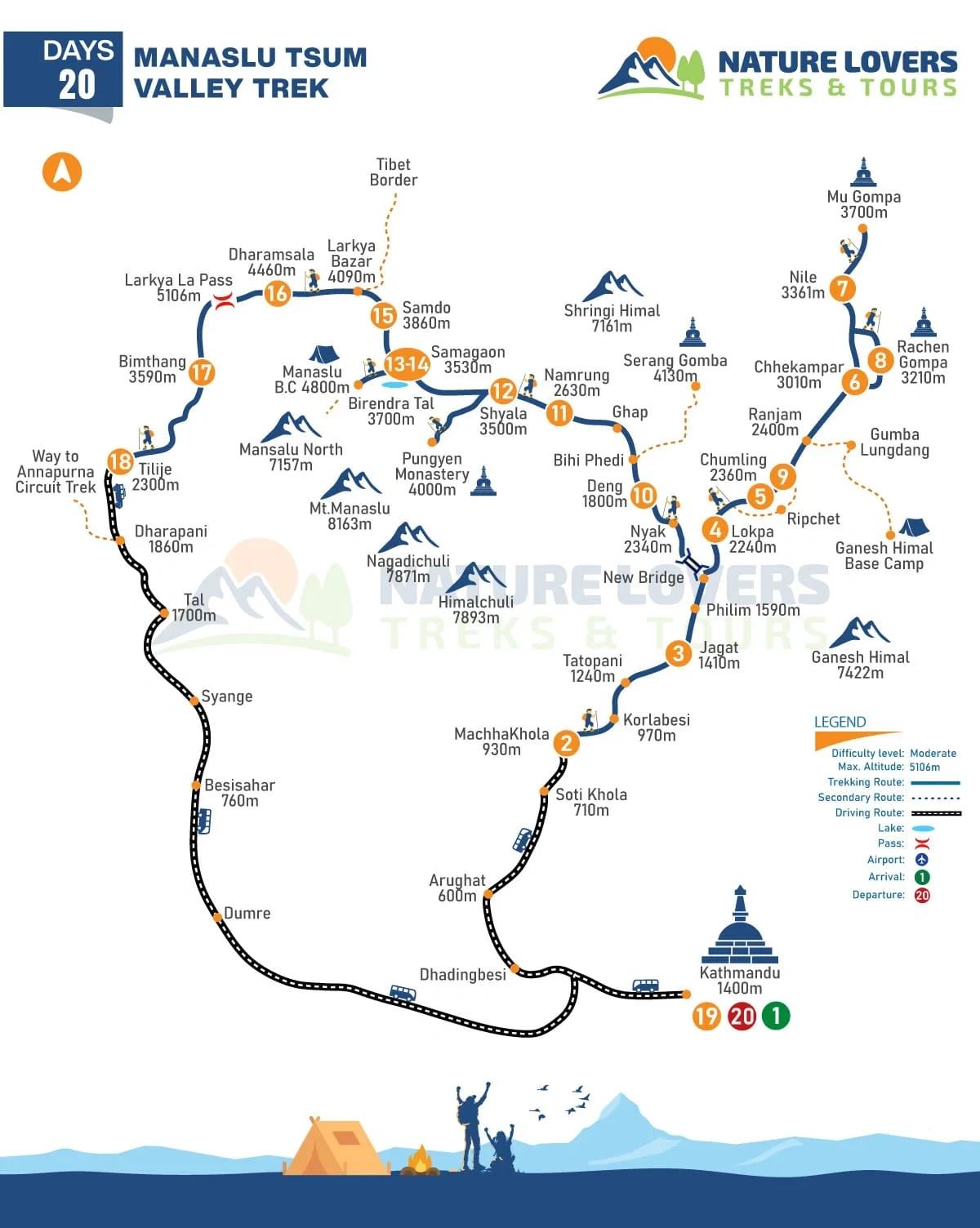
Trekkers have to cover between 10 and 15 km most days, ascending and descending the rocky trails. The Manaslu Tsum Valley Trek difficulty is graded as strenuous, so proper acclimatization is important, especially at Samdo and Dharmashala. Crossing Larkya La Pass is the longest day, taking around 8 to 9 hours.
High Altitude Challenges
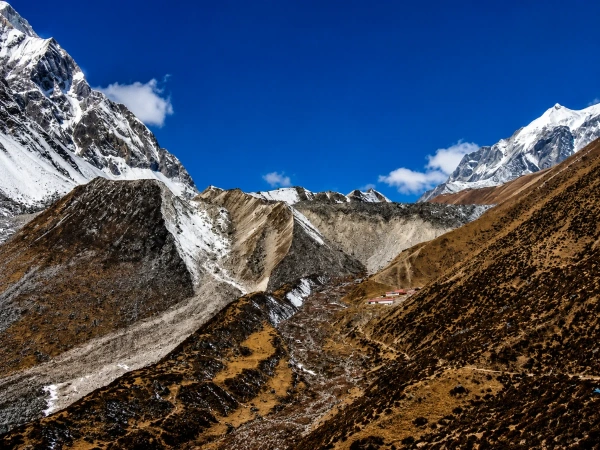
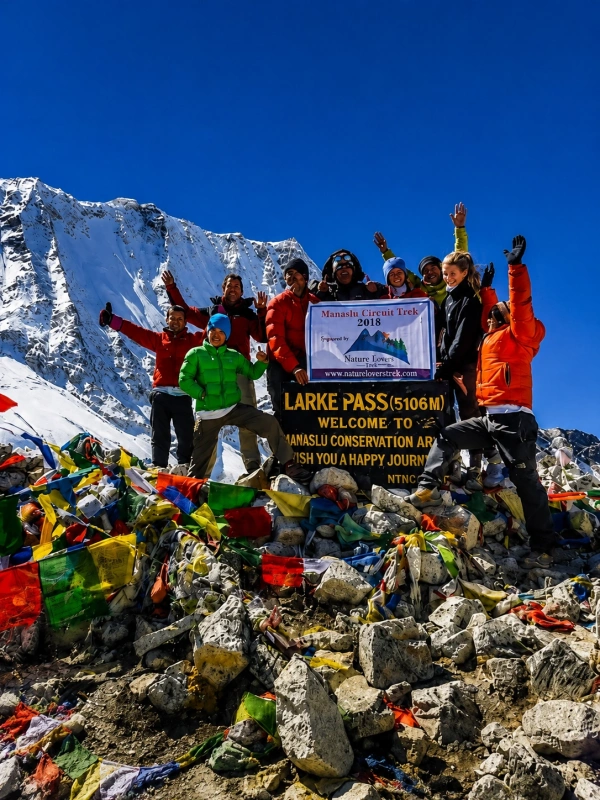
The highest point of the Manaslu Tsum Valley Trek is located at 5,106 m above sea level. Trekkers will also spend multiple days at altitudes above 3,500 m, and long walking days increase the risk of acute mountain sickness. So trekkers must drink plenty of water and follow the “Climb High, Sleep Low” rule for proper acclimatization.
Fitness and Training Requirements
The Manaslu Tsum Valley trails are difficult and physically demanding because of their remoteness. Trekkers have to carry a heavy daypack and walk 10 to 15 km daily. Trekkers must be physically fit for high-altitude trekking because of crossing Larkya La Pass (5,106 m), the most physically demanding day of the entire trek. Trekkers must start training their cardiovascular muscles three or four times a week for at least two months.
Example: The Island Peak (6,189 m), Yala Peak (5,700 m), Pisang Peak (6,091 m), and other tall peaks require climbing and mountaineering experience, but the Manaslu Tsum Valley Trek does not demand any of them.
Best Time for the Manaslu Tsum Valley Trek - 20 Days
The best time for the Manaslu Tsum Valley Trek is spring (March to May) and autumn (September to November). The warm weather and clear skies offer breathtaking views of snow-capped mountains. The trails are less crowded even during peak season because of their remoteness.
Spring Season (March-May)
Spring starts in March and lasts until May, covering the entire lower valley with different shades of rhododendron. The warm weather and clear skies create the perfect environment for completing the Tsum Valley and Manaslu Circuit Trek. The trails are less crowded, but you might notice increased permit fees to control crowds and preserve the Tibetan culture.
Autumn Season (September-November)
Autumn starts in September and lasts until November, bringing the most comfortable weather and trekking conditions for exploring the remote Manaslu region. The clear skies after heavy monsoon rain offer a majestic view of the beautiful snow-capped mountains of the entire Manaslu region.
Winter Season (December-February)
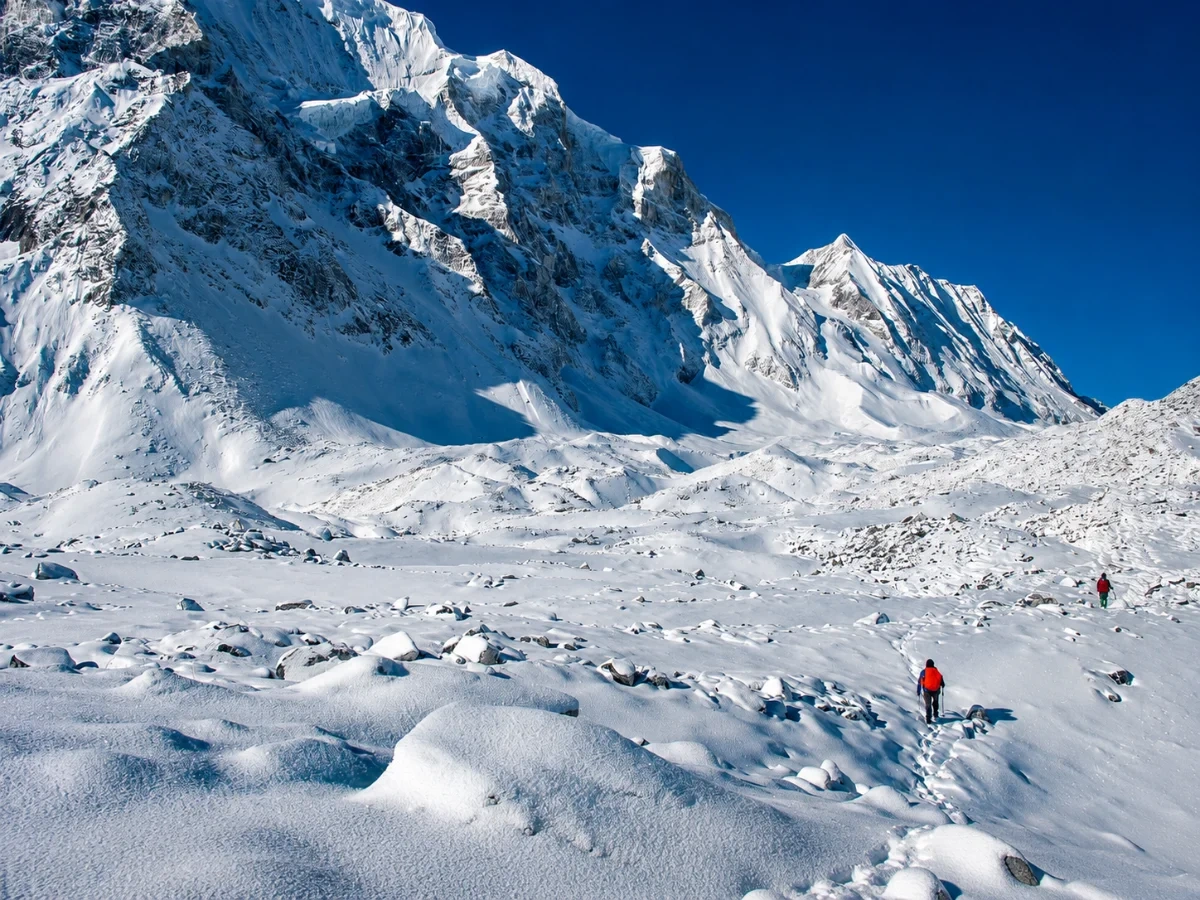
Winter starts in December and lasts until February, covering the trails with a thick layer of snow. The temperature will drop below -10°C at night as the altitude increases. The unstable weather and snow make it harder to navigate the trails properly. Crossing Larkya La Pass (5,106 m), the highest point of the Manaslu Tsum Valley Trek, becomes more challenging for beginners and intermediate trekkers.
Monsoon Season (June-August)
The monsoon starts in June and lasts until August, the worst season for the Manaslu Tsum Valley Trek. The monsoon brings heavy rainfall, making the trails more slippery and the forest full of blood-sucking leeches. The dark clouds block the view of the mountains, and sudden changes in weather make crossing Larkya La Pass more challenging. So even professional trekkers avoid the Manaslu Tsum Valley Trek in the monsoon season.
Permits Required for the Manaslu Tsum Valley Trek
Trekkers need 5 important permits to explore the restricted area of the Manaslu region. Manaslu Restricted Area Permit (MRAP), Tsum Valley Restricted Area Permit (TRAP), Manaslu Conservation Area Permit (MCAP), Annapurna Conservation Area Permit (ACAP), and Local Municipality Permit are the five required permits to complete the Manaslu Tsum Valley Trek.
Manaslu Restricted Area Permits (MRAP)
A legally registered trekking agency can only apply for the Manaslu Restricted Area Permits (MRAP). The permit is issued by the Nepal Department of Immigration, located in Kathmandu. The permit is important to explore the restricted Manaslu region, which is checked between Jagat and Dharapani.
Tsum Valley Restricted Area Permit (TRAP)
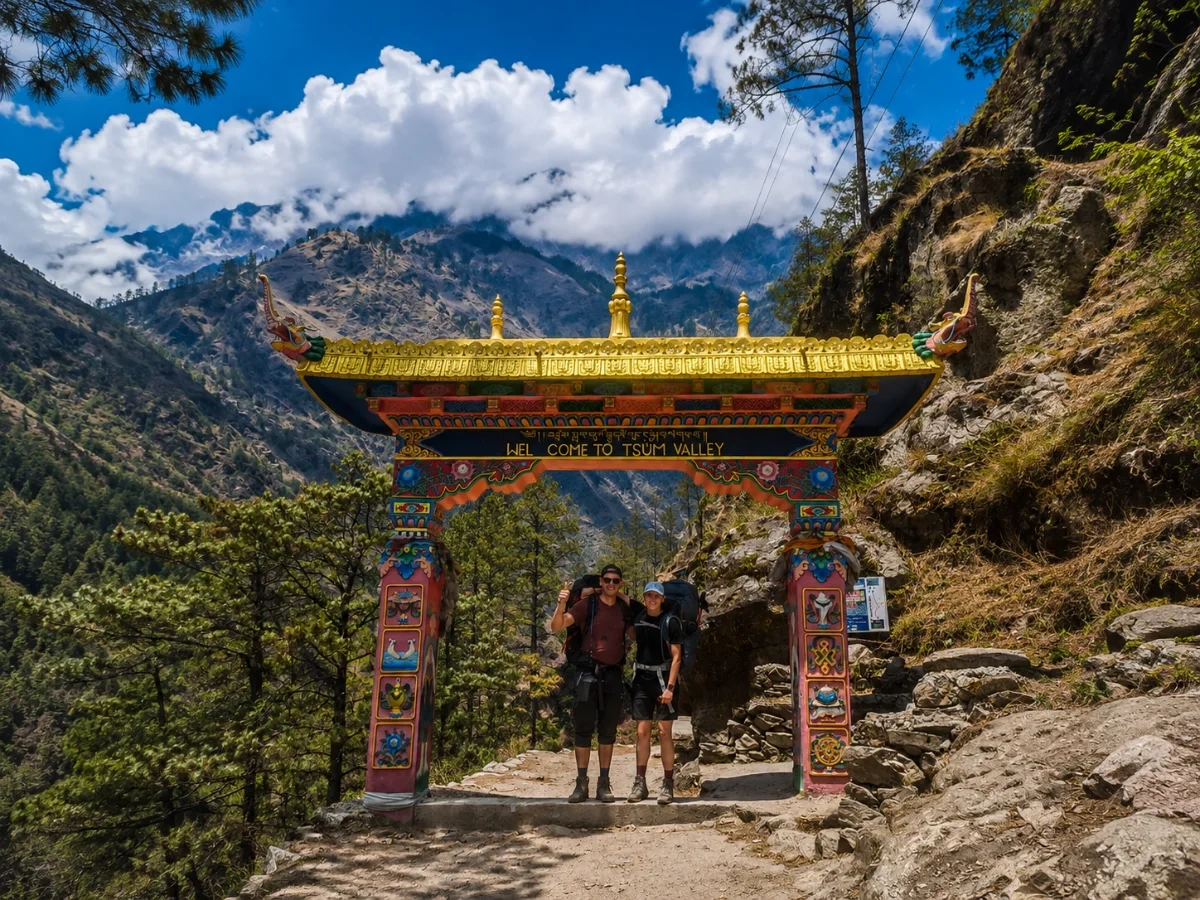
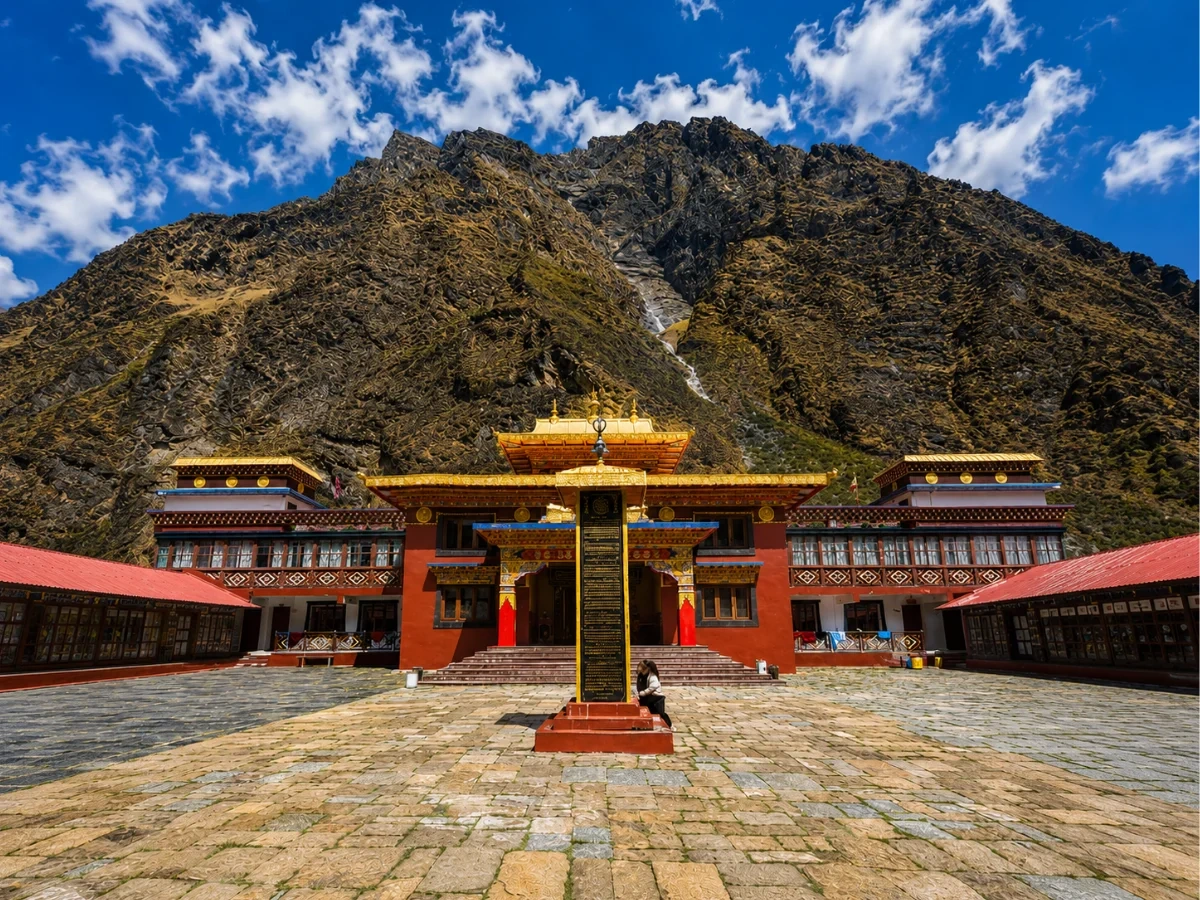
If trekkers plan to combine the Manaslu Circuit Trek with the Tsum Valley Trek, they must apply for the Tsum Valley Restricted Area Permit (TRAP). This permit provides access to the hidden gem in Nepal, Tsum Valley, full of ancient monasteries. A legally registered trekking agency will help you apply for the permit from the Nepal Department of Immigration.
Manaslu Conservation Area Permit (MCAP)
The Manaslu Conservation Area Permit (MCAP) can be obtained at the Nepal Tourism Board office located in Kathmandu and Pokhara. Trekkers can independently apply for this permit without the help of any licensed agencies. The funds collected from permit sales are used to maintain trails and develop new infrastructure in the Manaslu region.
Annapurna Conservation Area Permit (ACAP)
The Annapurna Conservation Area Permit (ACAP) is required after crossing Larkya La Pass and descending toward Bimthang. Tilije and Dharapani are located in the Annapurna Conservation Area, so trekkers have to pay a one-time fee to reach Bimthang.
Local Municipality Permit
The local municipality permit can only be issued at Chumnubri Rural Municipality, located at the Jagat checkpoint. But other permits are issued by the Nepal Department of Immigration or the Nepal Tourism Board, located in Kathmandu and Pokhara. The collected funds are later used for trail maintenance and infrastructure development in remote villages of the Manaslu Region.
Key Takeaway: Trekkers do not need a TIMS card for the Manaslu Tsum Valley trek routes, and everyone must carry physical copies of all the important permits.
Final Thoughts on the Manaslu Tsum Valley Trek - 20 Days
The 20 days of exploring the peaceful trails of the Manaslu Circuit Trek and Tsum Valley are two hidden gems of Nepal. The journey is full of forests, monasteries, rivers, bridges, and traditional Tibetan villages, offering an authentic Himalayan region experience. The Manaslu Tsum Valley itinerary covers all of Tsum Valley's ancient monasteries and crosses Larkya La Pass within 20 days.
What are you still waiting for? Contact our Nature Lovers Treks and Tours team to book your Manaslu Tsum Valley - 20 Days adventure, exploring the hidden gems of Nepal. Nature Lovers Treks and Tours offers the most budget-friendly packages without compromising your comfort and safety. Our team will take care of all the permits, accommodation, transport, and other logistical things so you can focus on creating unforgettable memories with friends and family.