Why Choose a 12-Day Manaslu Budget Trek?
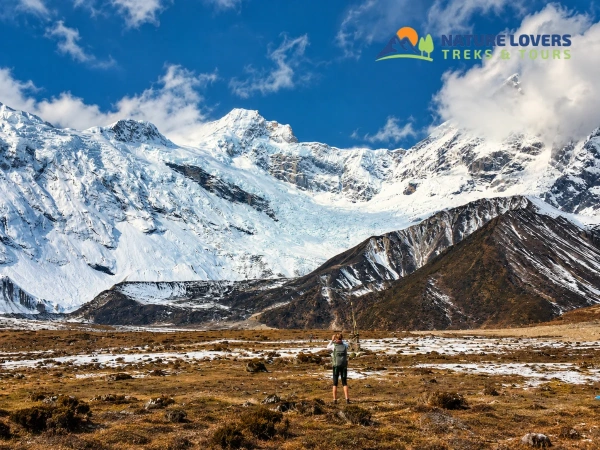
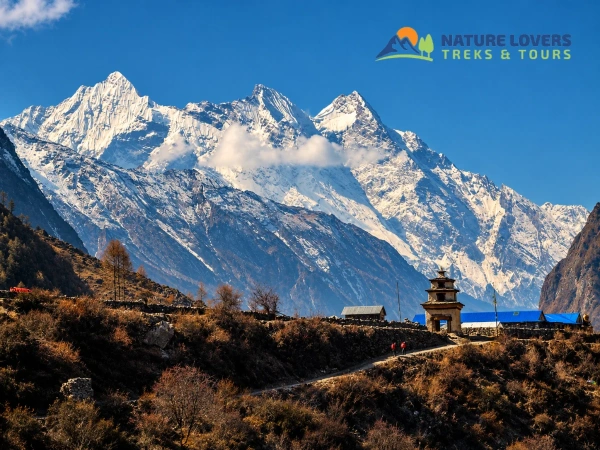
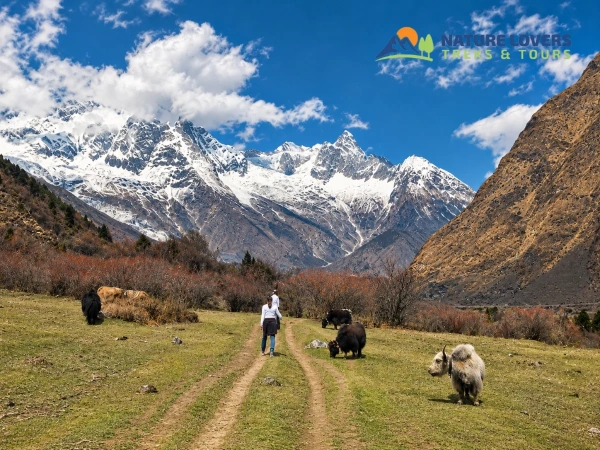
The 12-day Manaslu Budget Trek offers beautiful mountain views, cultural discovery, remote trails, and high-altitude adventure combined at an affordable price for budget-friendly trekkers.
The reasons to choose a 12-day Manaslu Budget Trek are:
Lower Cost Than Premium Private Treks
A fixed group date spreads guide, jeep, and accommodation costs across every trekker instead of one person covering all of it.
Join a Group to Share Fixed Costs
Permit costs are charged per person, not according to group size, but shared transportation, accommodation, trekking guides, and porters can minimize overall expenses.
Standard Teahouse Accommodation
Trekkers will spend nights in local teahouses or mountain lodges depending on their budget rather than in luxury accommodation.
Local Food Instead of Premium Upgrades
Trekkers will eat a local Nepali Dal bhat and other high-protein foods to minimize expenses rather than ordering expensive food at higher altitudes.
Shared or Public Transportation
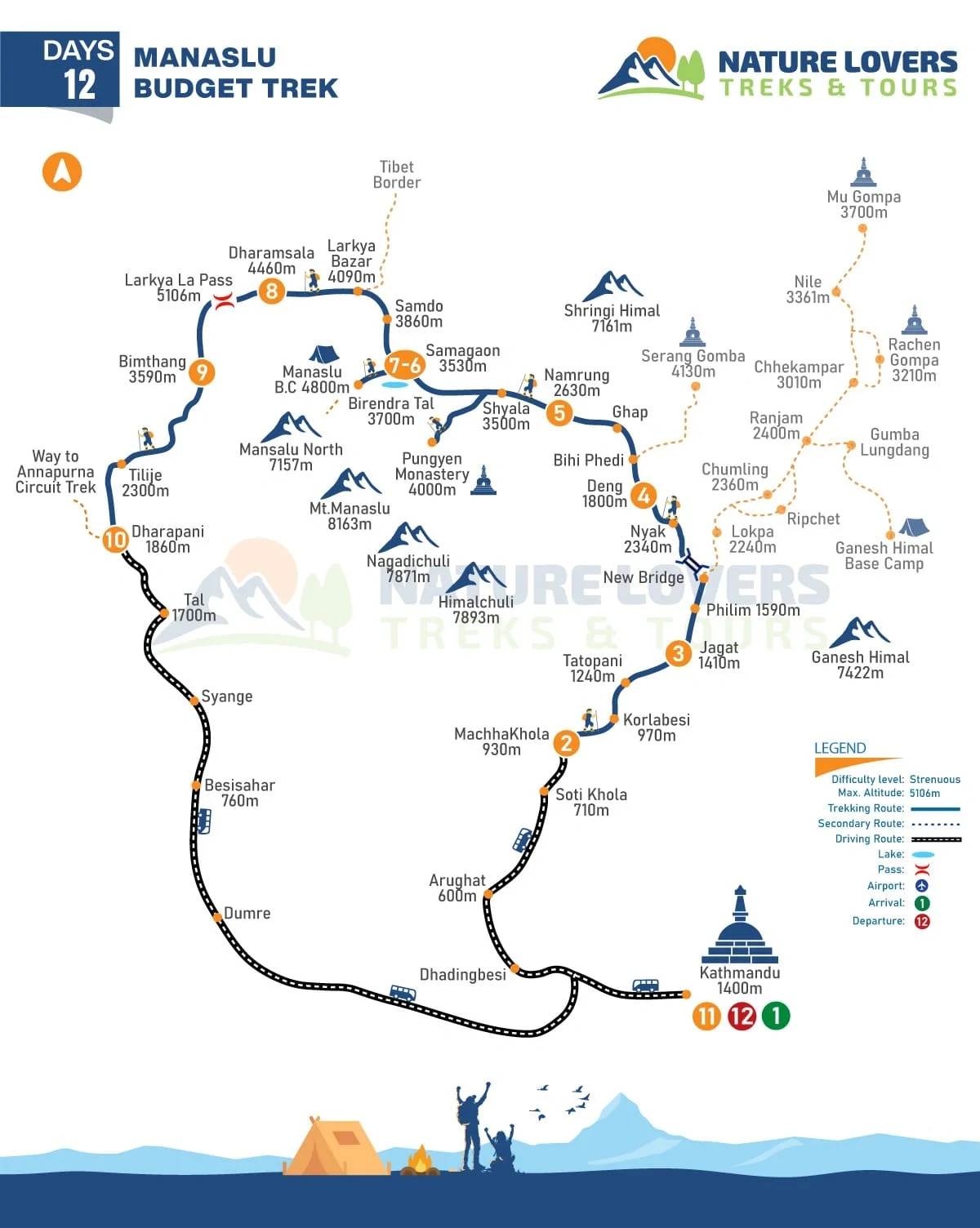
If you are traveling in a larger group, the agency will book the entire vehicle or travel on public transportation from Kathmandu to Machha Khola and Dharapani to Kathmandu/Pokhara.
Fewer Optional Extras
Trekkers can skip unnecessary expenses such as wifi, hot showers, charging, and a private room to keep the daily expenses low. Trekkers can carry a power bank for charging phones and camera batteries.
Complete the full circuit without luxury services.
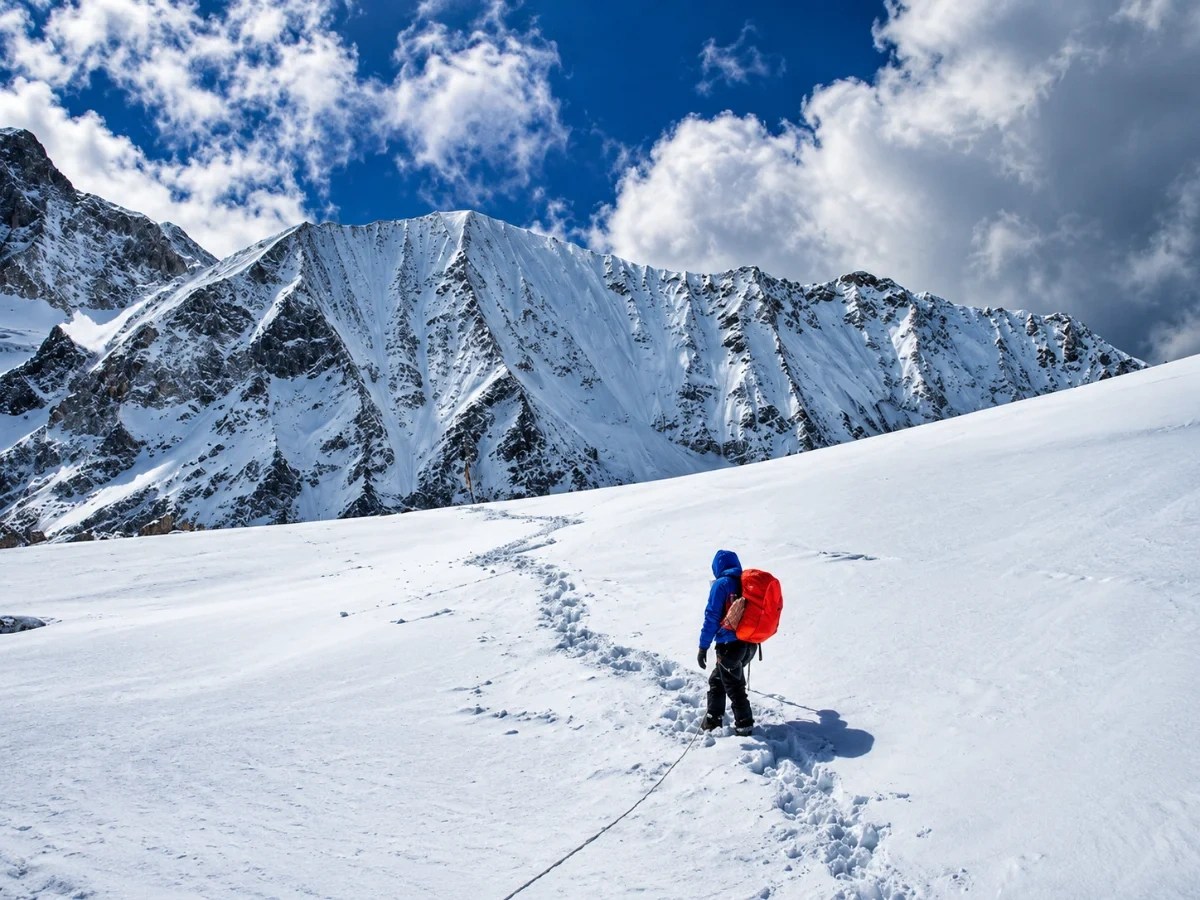
Trekkers can cross the Larkya La pass, walking through Nubri villages and enjoying breathtaking mountain views, while avoiding luxury services to keep overall expenses within budget.
Is the Manaslu Circuit Trek Really Suitable for Budget Travellers?
Yes, the Manaslu Budget Trek suits cost-conscious trekkers seeking high-altitude adventures above 5,000 m. But it is not as cheap as a Ghorepani Poon Hill or Langtang Valley trek because trekkers have to hire a licensed guide for a Manaslu restricted-area permit. But the trails are quieter than the Everest and Annapurna region treks.
Which costs are fixed in the Manaslu Budget Trek?
The Manaslu Restricted Area Permit (MRAP), Manaslu Conservation Area Permit (MCAP), Annapurna Conservation Area Permit (ACAP), Chumnubri local fee, and a licensed guide cost are fixed in this 12-day Manaslu Budget Trek.
Which costs can be reduced?
Group size, accommodation, transport, food, porter, gear, utilities, and personal expenses affect the real trekking budget. Traveling in a large group, shared accommodation, public transportation, and personal expenses can save money while trekking in Nepal.
Which costs should not be cut?
Strong insurance that includes high-altitude emergency helicopter evacuation above 5,000 m, a licensed guide, and a proper acclimatization itinerary cannot be compromised in the 12-day Manaslu Budget Trek.
Group vs. Private Manaslu Budget Trek
A group trek is cheaperthan a private Manaslu trek. Trekkers will share a guide, accommodation, and transport.
12-Day Manaslu Budget Trek Permit and Cost
Trekkers require a Manaslu Restricted Area Permit (MRAP), Manaslu Conservation Area Permit (MCAP), Annapurna Conservation Area Permit (ACAP), and Chumnbri Local Area Permit for the 12-day Manaslu Budget Trek.
Manaslu Restricted Area Permit (MRAP) and Cost
The Manaslu Restricted Area Permit (MRAP) is the most important permit for the Manaslu Budget Trek. Previously, two trekkers were required to apply for a restricted area permit, but from 22 March, Nepal’s Department of Immigration removed this restriction. The MRAP permit costs around USD 100 for foreign nationals for the first 7 days and USD 15 per day after 7 days in peak season.
Manaslu Conservation Area Permit (MCAP) and Cost
Unlike MRAP, the Manaslu Conservation Area Permit (MCAP) is cheaper, costing around NPR 3,000 for foreign nationals, NPR 1,000 for SAARC nations, and NPR 100 for Nepali citizens. Trekkers have to pay a one-time fee, and the permit lasts for the entire trek.
Annapurna Conservation Area Permit (ACAP) and Cost
Trekkers pass through Dharapani, so an Annapurna Conservation Area Permit is necessary for the 12-day Manaslu Budget Trek. The Annapurna Conservation Area Permit (ACAP) costs around NPR 3,000 for foreign nationals, NPR 1,000 for SAARC nations, and NPR 100 for Nepali citizens. The permit is issued by the Nepal Tourism Board offices in Kathmandu and Pokhara.
Chumnubri Local Permit and Cost
The Chumubri Local Permit is a local area permit that can be obtained at Chumnubri Rural Municipality. The Chumubri Local Permit costs around NPR 2,000 for foreign nationals and NPR 1,000 for SAARC nationals.
Who arranges the permits for the Manaslu Trek?
Your legally registered trekking agencies will handle all the documentation for Manaslu Trek permits. Remember, hiring a licensed guide is mandatory to apply for MRAP and cannot be obtained individually.
Key Takeaway: Check the latest Manaslu Trek permit costs, or let your guide and agency handle the important logistics for you.
How to do the Manaslu Trek on a Budget
Trekker can follow the instructions below to complete the Manaslu Trek on a budget.
- Join a group departure.
- Share Jeep Transportation.
- Choose Standered Teahouses.
- Eat local Dal Bhat and teahouse meals.
- Carry reusable water bottles.
- Avoid unnecessary luxury upgrades.
- Rent technical or cold-weather gear in Kathmandu.
- Pack essential items before the trek.
Key Takeaway: Budget trekking in Nepal means skipping the unnecessary expenses and travelling in a large group to minimise package cost.
Who Is the Manaslu Budget Trek Best For?
The Manaslu Budget Trek is best for cost-conscious trekkers such as
- Budget-friendly trekkers.
- Experienced trekkers.
- Large groups.
- Adventurous travellers.
- Trekkers seeking fewer crowds.
- Travelers who are comfortable with basic services.
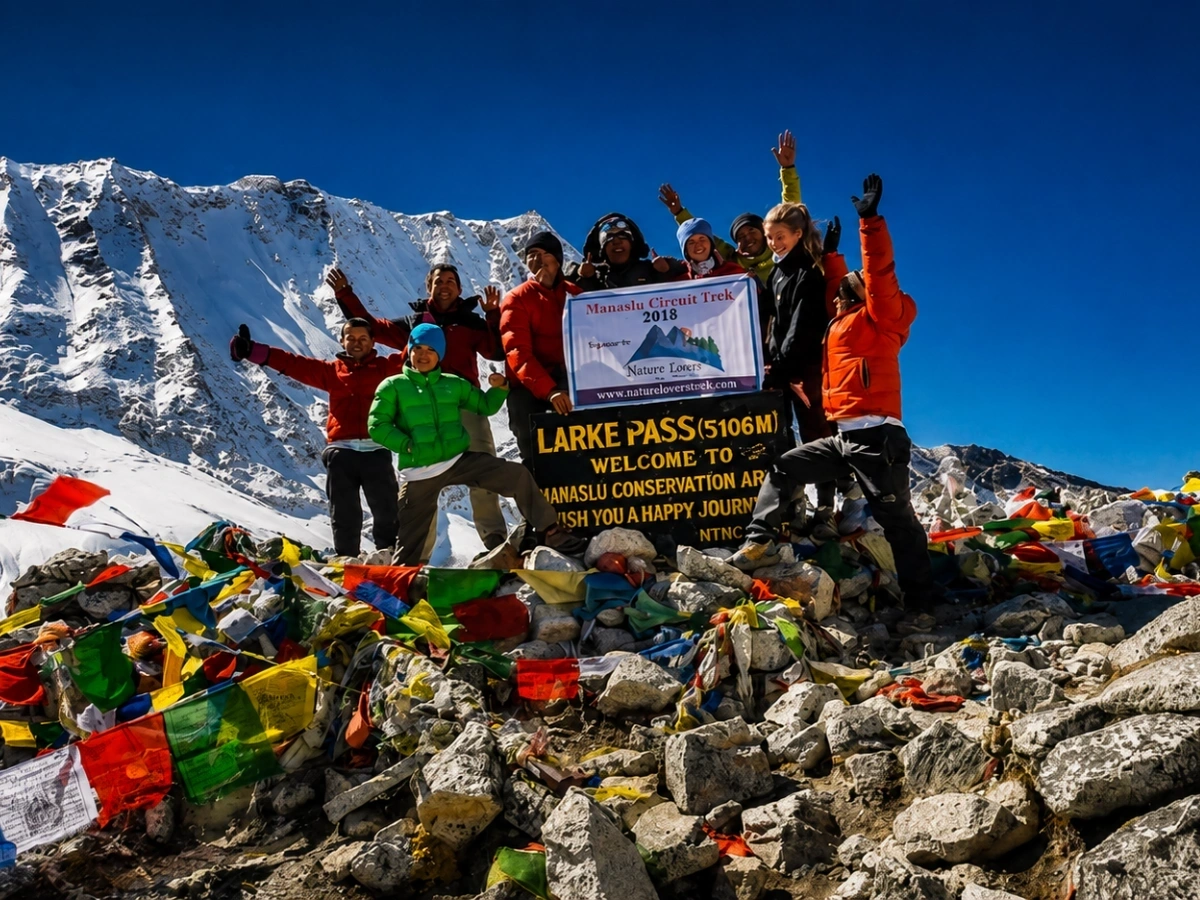
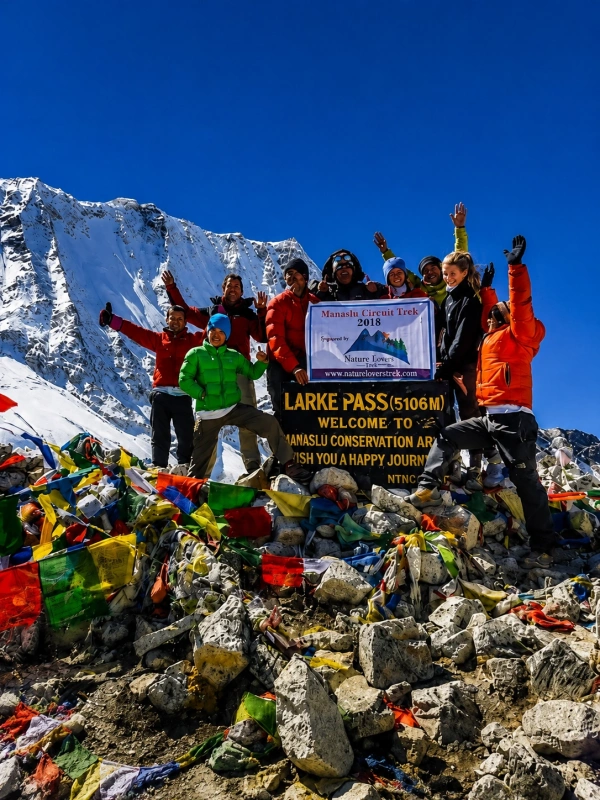
Key Takeaway: Larkya La Pass (5,106 m) is the highest point of the 12-day Manaslu Budget Trek.
Who Should Not Choose a Budget Manaslu Trek?
Trekkers who prioritize comfort and luxury should not choose a budget Manaslu trek.
- Travelers who are expecting luxury lodges.
- Trekkers requiring maximum flexibility.
- People unprepared for high altitude.
- Beginner trekkers.
- Trekkers looking for short and easy treks.
- Unwilling to share accommodation and vehicles.
Key Takeaway: A licensed guide is mandatory to access the Manaslu Restricted Area Permit (MRAP) for the Manaslu Trek.
Common mistakes when booking a cheap Manaslu Budget Trek
The common mistakes trekkers must avoid while booking a cheap Manaslu Budget Trek are:
- Choosing a lower price without checking package inclusions and exclusions.
- Ignoring permit costs.
- Forgetting personal expenses.
- Choosing an unqualified guide.
- Not checking insurance coverage.
- Underestimating crossing Larke-La Pass.
- Not keeping the buffer days.
- Ignoring current trail conditions.
Key Takeaway: Check the agency's reputation before booking your Budget Manaslu Trek.
Best Time for the Manaslu Budget Trek
Spring (March to May) and Autumn (September to November) are the best times for the Manaslu Budget Trek. Winter (December to February) isn't suitable for beginners, and the monsoon (June to August) is considered the worst time for the Manaslu Circuit Trek.
Manaslu Trek in Spring (March to May)
Spring starts in March and lasts until May, covering the forest with beautiful wildflowers alongside rhododendrons in lower altitudes. Spring brings stable weather, warm temperatures, and clear skies with long daylight, perfect for crossing Larkya La Pass. The trails are less crowded compared to other famous trekking routes in Nepal.
Manaslu Trek in Autumn (September to November)
Autumn starts in September and lasts until November, one of the peaktrekking seasons in Nepal. Autumn brings the clearest skies, offering breathtaking mountain views and the most stable weather for crossing Larkya La Pass. The mountain lodges and teahouses are more crowded than in spring, so booking early is the safest option for trekkers.
Manaslu Trek in Winter (December to February) and Monsoon (June to August)
Winter starts in December and lasts until February, covering Larkya La Pass trails with a thick layer of snow. Winter's shorter days and colder nights are not suitable for beginner trekkers. The monsoon starts in June and lasts until August, which is the worst season for high-altitude trekking in Nepal. Heavy rainfall makes the trails slippery, and unstable weather makes navigation difficult even for local guides. Most teahouses at higher altitudes are closed because of unstable weather.
How difficult is the Manaslu Trek?
The Manaslu Trek is graded as strenuous because of its high altitude and long walking days. Trekkers will walk 5 to 7 hours daily on the rocky mountain trails, and crossing Larkya La Pass takes 8 to 9 hours of ascent and descent, making it the hardest part of the entire adventure. Also check out our How difficult is the Manaslu Trek? Complete guide before your journey.
Key Takeaway: Beginner trekkers must avoid a rushed itinerary without proper acclimatization for the Manaslu Budget Trek.
Final thoughts on: Is the Manaslu Budget Trek-12 Day worth it?
The 12-Day Manaslu Budget Trek is worth it for cost-conscious trekkers traveling on a certain budget. Solo trekking without hiring a licensed guide is not allowed in the Manaslu region. Budget trekking means traveling in a large group, staying in shared accommodation, using public transport, and avoiding luxury upgrades. So the Nature Lovers Treks and Tours team brings you a 12-day budget Manaslu Trek package that includes permits, guides, transportation, and a 2-night stay in a Kathmandu hotel near Thamel.