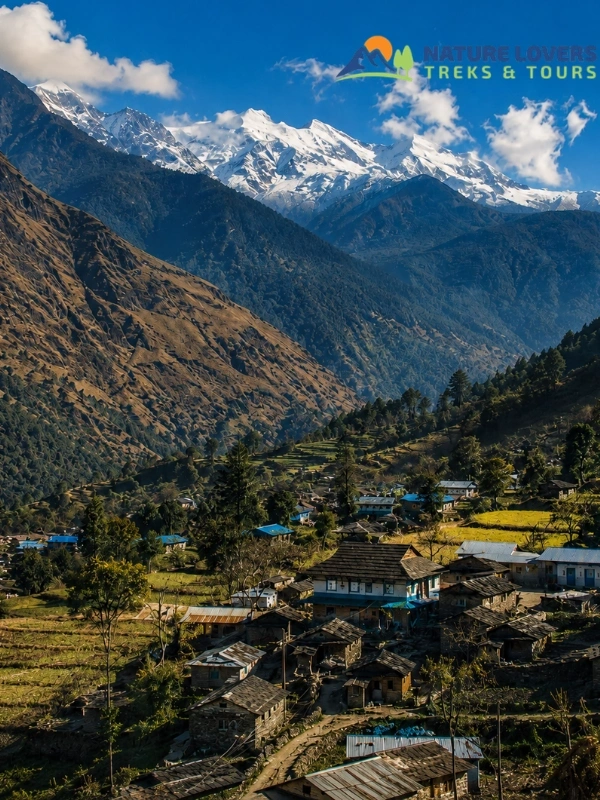
Manaslu Circuit Trek - 14 Days

171 Reviews in TripAdvisor
57 Reviews in Google

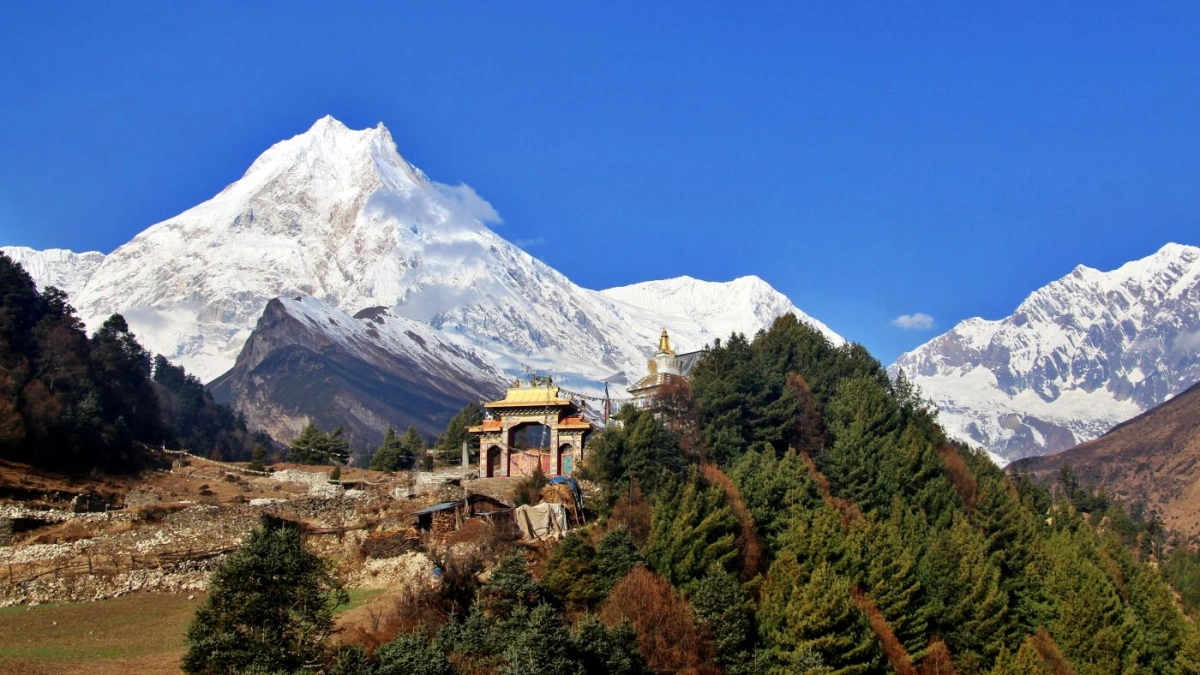
Nature Lovers Treks and Tours takes you on a spectacular 14-day Manaslu Circuit Trek across the diverse geographical regions. This off-the-beaten-path journey around the world's eighth-highest mountain, Mt. Manaslu (8,163m), is challenging, but it rewards you with breathtaking views and unique cultural experiences. Your trek takes you to the restricted Tsum and Nubri valleys, where you can witness Tibetan-Buddhist cultural practices. The journey culminates in the challenging Larke / Larkya La Pass (5,106m), offering panoramic Himalayan vistas of the majestic Manaslu, Himlung Himal, Cheo Himal, Kang Guru, and Annapurna II.

Duration
14 Days
Trip Grade
Strenuous
Country
Nepal
Max Altitude
5,106 meters at Larkya La
Starts
Kathmandu
Ends
Kathmandu
Group Size
Flexible (Private Trips or Group Departures)
Activities
Trekking & Hiking
Best Time
March - May & September - December

The Nepal Manaslu Circuit Trek is among the most pristine Himalayan journeys to secluded regions where you can immerse yourself in the profound natural beauty and spirituality of the Manaslu. On this trek, you will find a harmonious blend of high-altitude wilderness, rich Tibetan cultural influences, and the thrills of trekking.

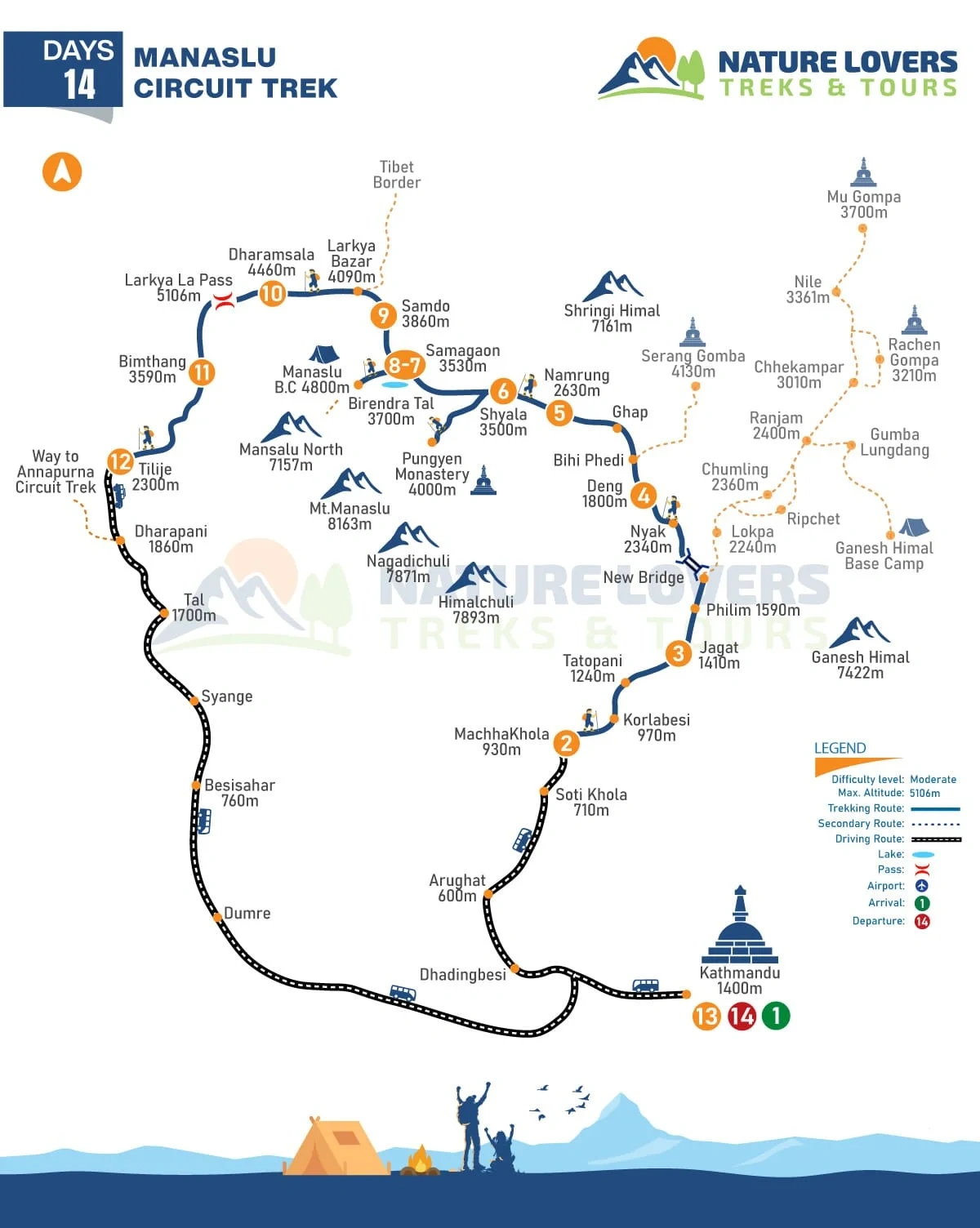
Your 14-day journey begins with a scenic drive from Kathmandu to Macchakhola, along the Budhi Gandaki River gorge. Throughout the trek, you will experience the diverse geography, from lush sub-tropical forests to arid landscapes. You will traverse several ancient settlements like Samdo and Samagaon, where you can visit ancient monasteries.

The trek takes you to the highest elevation of 5,106 meters at the Larke La Pass. Considering the high altitude and remoteness of this trek, we recommend the Mansalu Circuit Trek to experienced climbers with good physical fitness. Despite the difficulties, you will be rewarded with awe-inspiring views of the Himalayan giants, including Himalchuli, the Annapurna range, Cheo Himal, Kang Guru, and the world’s eighth-highest peak, Mount Manaslu.

With Nature Lovers Treks and Tours, you can guarantee a safe and hassle-free journey. Our itinerary includes acclimatization to allow your body to adjust to the thin atmosphere of the high altitudes. For a seamless experience, we manage all necessary arrangements, from permits, ground transport, and expert guides, allowing you to solely focus on the breathtaking journey.

Challenge yourself on a thrilling Himalayan adventure. Contact our travel expert for an immersive 14-day Manaslu Circuit Trek.

Why Choose the Manaslu Circuit Trek in 2026/27?

The Manaslu Circuit Trek is a truly off-the-beaten-path adventure that blends the thrill of trekking with the unique cultural experiences of the restricted areas of the Manaslu region. Suitable for experienced trekkers with good physical fitness, here are the top reasons to book this incredible Himalayan journey:

Pristine and Remote Himalayan Adventure: Compared to the commercial EBC trek or Annapurna Circuit, the Manaslu Circuit Trek is less crowded. The trails have remained largely untouched by mass tourism, giving you unique opportunities to experience natural wilderness.

Unique Cultural Immersion: The trek takes you to the restricted Tsum and Numbri Valleys with strong influences of the Bhotia (Tibetan) culture. Unlike the rest of the country, you can witness traditional Tibetan-inspired architectures, pass by mani walls and prayer wheels, and visit revered monasteries like the Pungyen Gompa.

Conquer the Larke La Pass: The 5,106-meter Larke La Pass is the highest point of the 14-day Manaslu Circuit Trek. Conquering this high-altitude pass requires a formidable combination of strong morale and physical fitness. Despite the difficulty, successfully crossing this pass rewards you with a sense of immense accomplishment and breathtaking views of the Manaslu, Choe Himal, Himlung, and Annapurna II.

Seamless Logistics in the Restricted Area Trek: Trekking the Manaslu Circuit requires several mandatory permits, as it is a highly regulated and restricted region. Furthermore, to comply with the sustainability goals, you are required to book with an authorized agency and hire a government-registered trekking guide. Nature Lovers Treks and Tours makes comprehensive arrangements for your Manaslu Circuit Trek by securing the Manaslu Restricted Area Special Permit, conservation area fees, and managing all logistics for a stress-free trek.

A Typical Day During the Manaslu Circuit Trek in Nepal

The Manaslu Circuit Trek is a strenuous journey across the diverse Himalayan terrain. On average, you will trek 5 to 7 hours each day. Therefore, to maximize the trekking time before the midday sun and to cover the necessary distance, you will start your day early.

The day begins with a hot breakfast at your teahouse. After breakfast, you will depart for your overnight destination, typically by 7:30 AM. The morning trek lasts 3 to 4 hours. Ensure you walk at a slow but steady pace to aid in acclimatization as you ascend to higher-altitude regions.

You will stop for lunch, consisting of Dal-Bhat (rice and lentil soup), at around midday in a local resthouse. This is your opportunity to rest and refuel for the remainder of the day’s trek. After lunch, you will continue the remainder of the day’s trek. The afternoon trek is shorter and lasts 2 to 3 hours to your overnight destination.

Upon reaching your teahouse, you can relax. If time is by your side, you can explore the village and observe the local culture. Return to your teahouse before dark, where you will spend the evening at the communal dining area, sharing travel stories, enjoying a hearty dinner, and receiving briefings from your guide about the following day’s itinerary.

Cost of the Manaslu Circuit Trek 2026/2027: Permits, Guides, and Transport

More than a standard Himalayan trek, the Manaslu Circuit Trek is a comprehensive investment that delivers a hassle-free experience to one of the most secluded regions in Nepal. Ensuring a seamless travel, Nature Lovers Treks and Tours manages all logistics and essential services, making this trek more premium and exclusive. The nature of the trek and other factors like the length of your trek, luxury preferences, modes of ground transport, etc, are some of the leading factors that determine the pricing of the Manaslu Circuit Trek in Nepal.

For a seamless travel, we offer an all-inclusive package that includes comprehensive accommodation, full-board meals during the trek, expert trekking guides, all ground transport, and special permits and conservation area entry fees. However, depending on your interests and preferences, you may also customize the Manslu Circuit Trek.

Nepal Manaslu Circuit Trek Highlights

  • Successfully conquer the challenging 5,106-meter Larke La Pass and experience an immense sense of personal achievement.
  • Complete a full circuit around the world’s eighth-highest peak, Mount Manaslu (8,163 meters).
  • Experience the profound Tibetan-Buddhist cultural influences, and visit ancient monasteries, traditional stone villages, and countless mani walls and chortens in the Tsum and Numbri Valleys.
  • Get an up-close view of the Manaslu glacier and icefall with the vital acclimatization hike to Manaslu Base Camp.
  • Enjoy the panoramic views of icy giants, including Manaslu, Himalchuli, Cheo Himal, and Annapurna II.
  • Explore the off-the-beaten-tracks of the Manaslu circuit, away from the commercialized trekking trails.
  • Journey through dramatic landscape changes from the lower region’s lush sub-tropical river gorges to the barren, high-alpine moraine fields.
  • Immerse yourself in the unique architecture and lifestyle of the restricted areas of the Tsum and Numbri Valleys, adjacent to the Nepal-Tibet border.
  • Enjoy a seamless and meticulously planned journey with all-inclusive logistical arrangements.

Customized Manaslu Circuit Trek Nepal 2026/2027

Nature Lovers Treks and Tours understands that every trekker has unique needs and preferences. Our team of travel experts works meticulously to address your specific interests by crafting a fully customizable Nepal Manaslu Circuit Trek. Depending on your interest, you can adjust the length of the journey by including extra acclimatization days or upgrading your stays in Kathmandu. For a more private and seamless travel, you can also choose a private jeep transfer from Kathmandu to Macchakhola and back.

Discuss your specific needs with our travel experts for a tailor-made Manaslu Circuit Trek.

Short Itinerary & Altitude

Manaslu Circuit Trek - 14 Days

Manaslu Circuit Trek - 14 Days Detailed Itinerary

Day 1

Arrival in Kathmandu | Transfer to Hotel

Welcome to Nepal

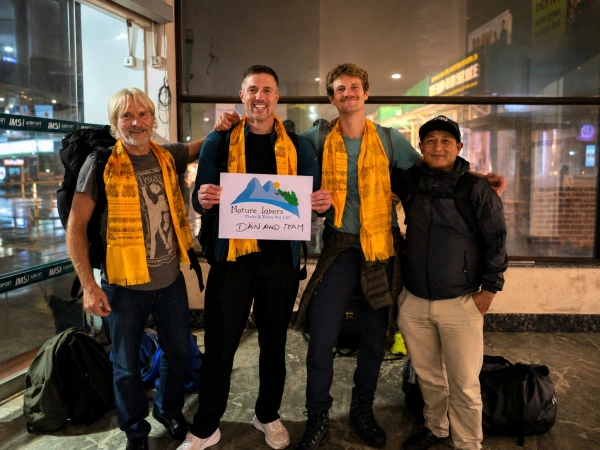
Your 14-day Nepal Manaslu Circuit Trek officially begins upon your arrival at the Tribhuvan International Airport in Kathmandu. Our representatives will meet you at the arrival gates and assist with your transfer to your hotel in the heart of Kathmandu. Upon checking into your hotel, you can explore the vibrant capital of the country and immerse yourself in its incredible atmosphere. In the evening, you will meet our company representative for the trek briefing.

Day 2

Drive from Kathmandu (1,400m) to Machhakhola (930m)

Lunch Break in Dhading

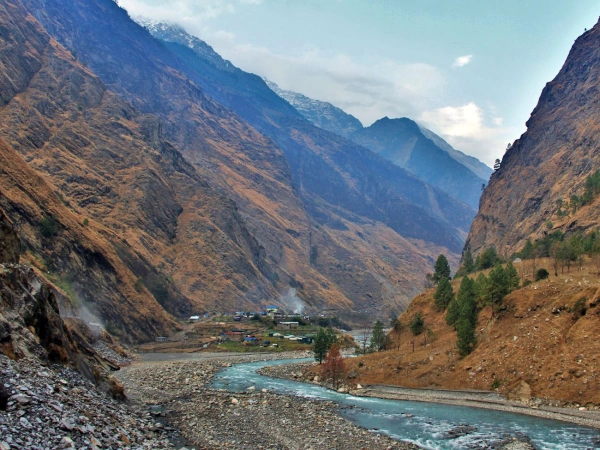
Your day begins early today. Prepare for a long drive from Kathmandu to the remote trekking trailhead of Macchakhola. The drive transitions from the black-topped highway to the rough and winding dirt road. During your journey, you can observe the rural landscape and the quaint roadside lifestyle as you approach Macchakhola, a small village situated by the Budhi Gandaki River.

Day 3

Trek from Machhakhola to Jagat (1,410m)

Dobhan

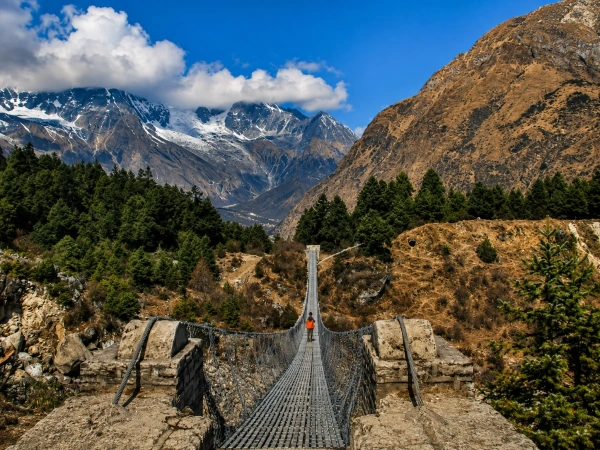
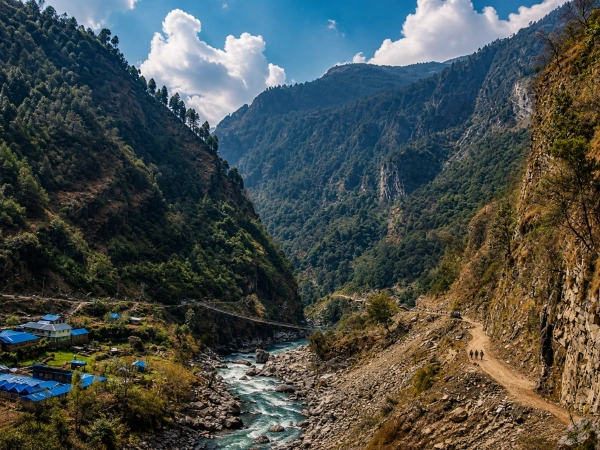
Today marks the official start of your trek. Your journey from Macchakhola takes you deeper into the Budhi Gandaki gorge along the diverse terrain of the Manaslu Circuit. The trek to Jagat involves several ascents and descents across numerous suspension bridges and charming villages like Lapubesi and Khorlabesi. As you approach Jagat, the trail becomes progressively steeper. Jagat is also the entry point to the restricted region. Upon submitting your necessary permits, you will continue toward your teahouse for the evening.

Day 4

Trek from Jagat to Deng (1,800m)

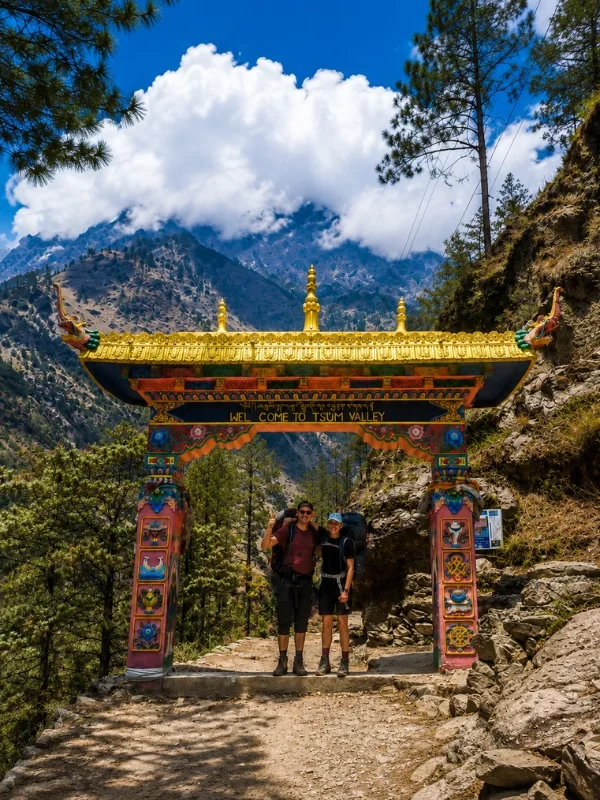
Bridge separating Tsum Valley

A significant change in the trekking environment characterizes your trek to Deng. The day begins with a descent toward the Budhi Gandaki River before taking on the steep ascent through rocky hills to the large Gurung settlement of Philim. From Philim, you will continue through Ekle Bhatti before passing through dense bamboo forests and a narrow river gorge.

As you gain altitude and move toward the Nubri Valley, you will notice a significant influence of Tibetan-Buddhist culture. A 6 to 7-hour trek from Jagat gets you to the charming village of Deng, where you will find traditional stone houses and high-Himalayan Buddhist culture.

Day 5

Trek from Deng to Namrung (2,630m)

Leaving Namrung

The journey to the higher-altitude village of Namrung allows you to experience a change in both culture and climate. From Deng, you will begin your journey across several gorges. You will cross the Budhi Gandaki River on a wooden bridge before climbing to the pristine pine and rhododendron forests. As the trek passes through villages like Rana and Bihi, the trails become gradually steeper and enter the more exposed landscapes. From the vast open terrain, you will find the first glimpses of the spectacular Himalayan giants as you approach your overnight destination of Namrung.

Day 6

Trek from Namrung to Shyala (3,500m)

Lho to Shyala

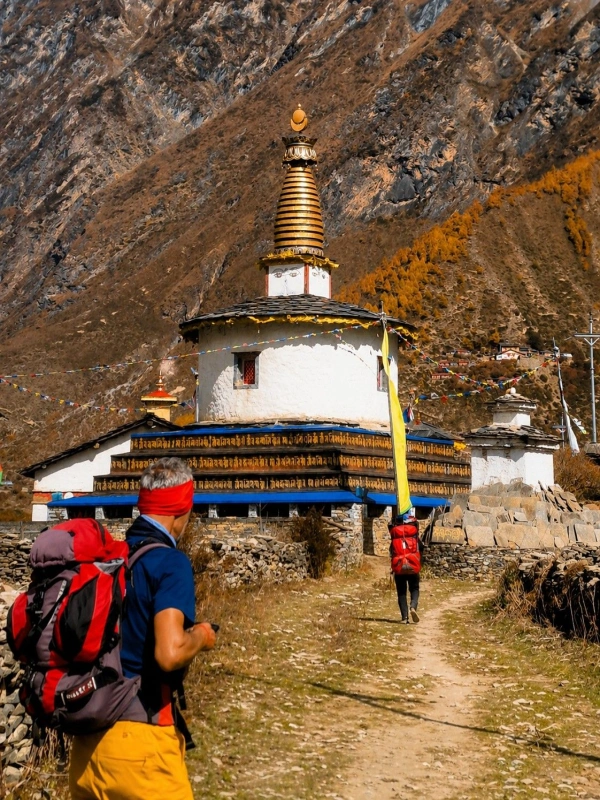
Today’s trek offers continuous views of the Himalayan vistas as you journey across the beautiful villages of Lihi and Sho. From here, you will find the first clear view of Mount Manaslu and Himalchuli. You can also relish the Tibetan architectural styles of the houses, mani walls, and chortens in these villages surrounded by fluttering prayer flags. The trek gradually gains altitude as you climb through the alpine terrain to Shyala.

Upon reaching Shyala, you will find breathtaking 360-degree views of the mountain panorama, making it an exceptional destination for rest and photography.

Day 7

Trek from Shyala to Samagaun (3,530m) via Pungyen Gompa (4,000m)

Bridge to Samagaun

Leaving Shyala behind, you will trek main village of the Numbri people, Samagaun. The trek journeys through the high-altitude plateau of Pungyen before reaching the traditional village of Samagaon.

Upon reaching Samagaon, you have the option to visit the ancient Pungyen Gompa, situated at 4,000 meters, before descending back to your overnight destination. The visit to this ancient, revered monastery practices the principles of the “climb high, sleep low” strategy, which aids in acclimatization.

Day 8

Day hike to Manaslu Base Camp (4,800m) from Samagaun

En Route to Manaslu Base Camp

Today is the crucial acclimatization day. Acclimatization is necessary during high elevation expeditions as it helps your body cope with the increasing altitude and the thin atmosphere. As a part of the acclimatization process, you will travel to a higher elevation, Manaslu Base Camp (4,800 meters), and return to Samagaun.

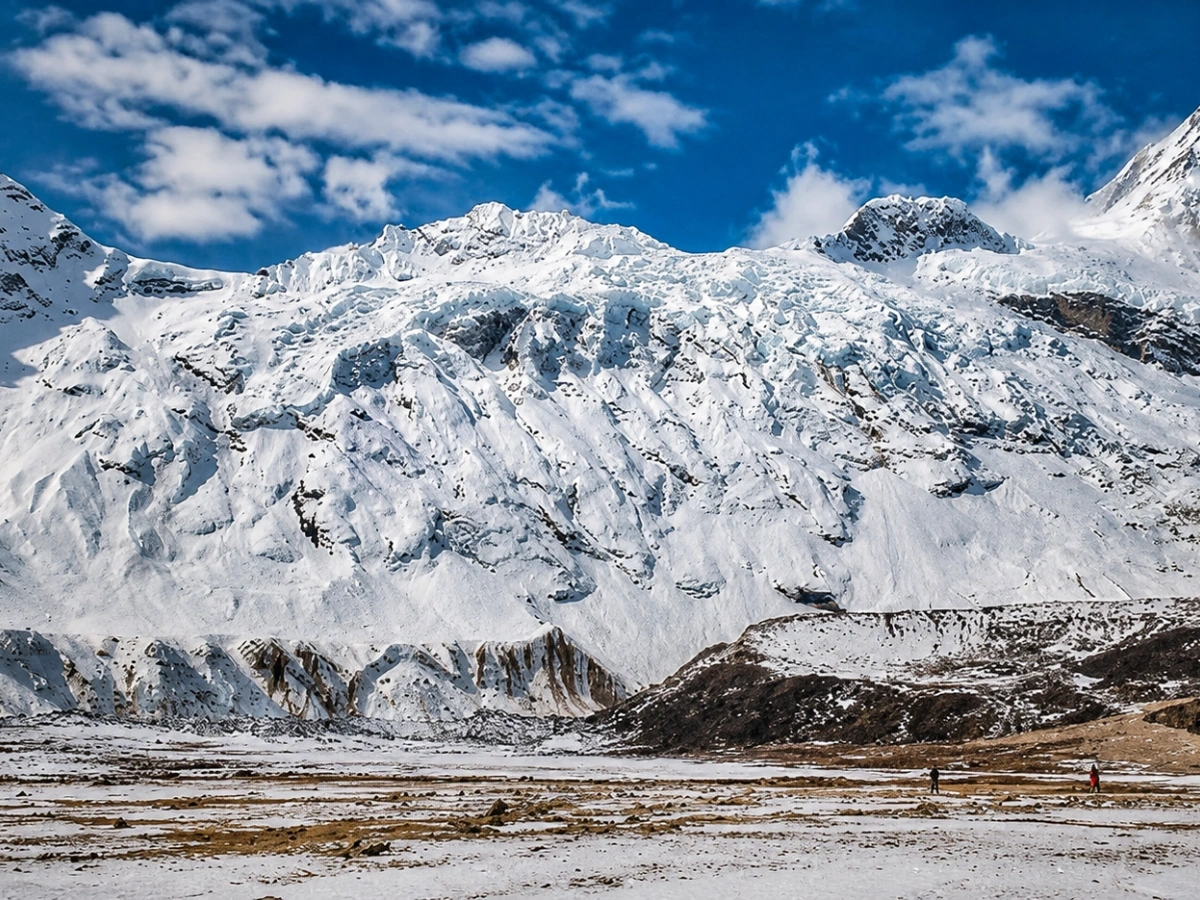
This essential trek is demanding but equally rewarding. You will take on the steep ascent through moraine and alpine pastures and experience the challenging high-altitude environment. Upon reaching the Manaslu Base Camp, you will find close-up views of the Manaslu glacier and the vast icefall.

Spend some time in the high altitude region before returning to Samagaun. This hike is physically strenuous but is crucial for acclimatization. It also helps prepare you for the challenging Larke La Pass crossing.

Day 9

Trek from Samagaun to Samdo (3,860m)

Samdo

After the crucial acclimatization stop at Samagaun, you will continue toward Samdo. The trek to Samdo is shorter and relatively easier. This journey is designed for gentle acclimatization before the strenuous Larke La Pass crossing.

The journey from Samagaun to Samdo passes through the trails along the Budhi Gandaki River. You will trail along the beautiful juniper and birch forest. The skyline is dominated by the majestic Mount Manaslu, which trails you throughout the journey. As you approach Samdo, your overnight destination, you will pass a massive mani wall and take on a gentle ascent.

Samdo is a traditional remote village located near the Nepal-Tibet border.

Day 10

Trek from Samdo to Dharamsala / Larke Phedi (4,460m)

Dharamsala

Today, you will take on another short trek. This journey to the foot of the mighty Larke La Pass (Larke Phedi or Dharmashala) involves gentle descents before gradually ascending to the high-alpine region, with sparse vegetation. Upon reaching Dharmashala, you will find accommodation in a basic teahouse. Ensure you are well rested and hydrated, as you will attempt the strenuous push over the Larke La Pass the following day.

Day 11

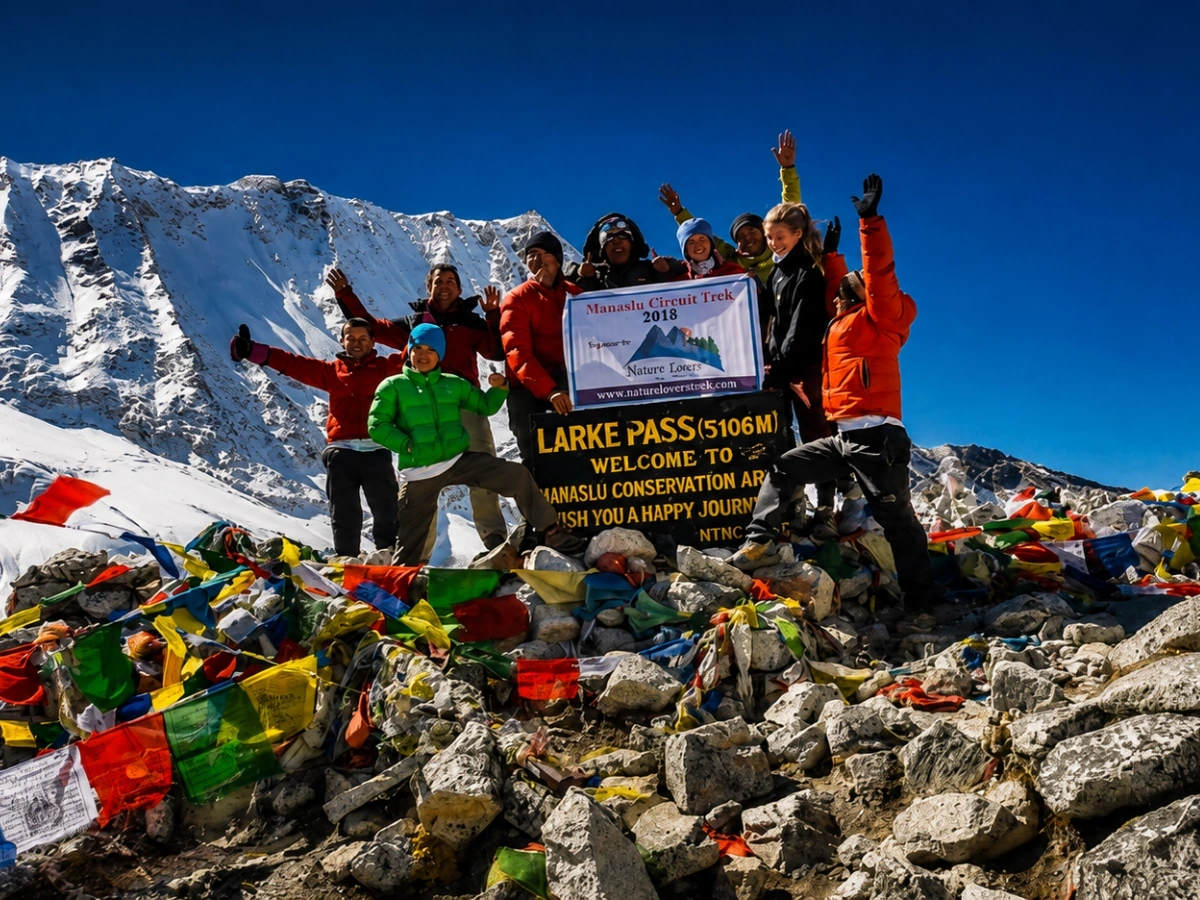
Trek from Dharamsala to Bimthang (3,590m) via Larkya La Pass (5,106m)

Larke Pass

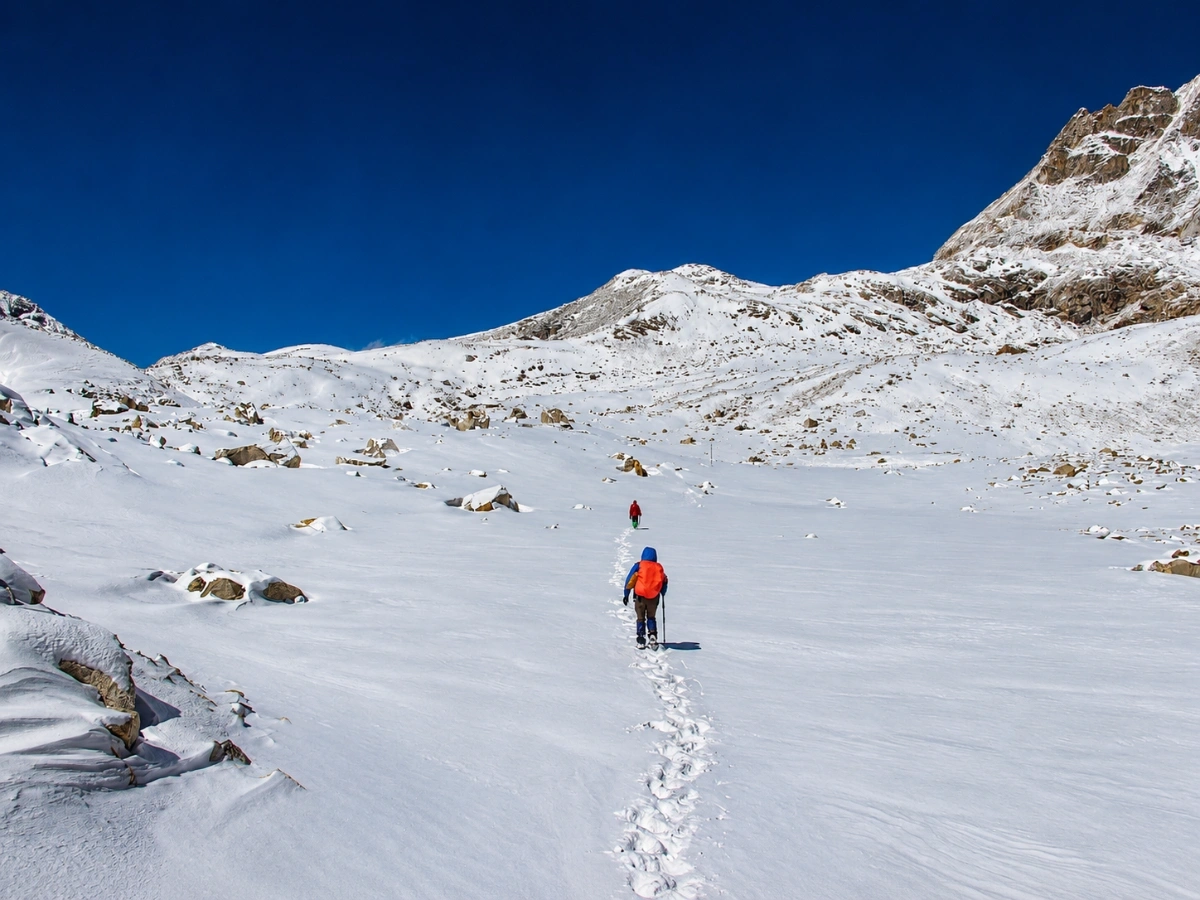
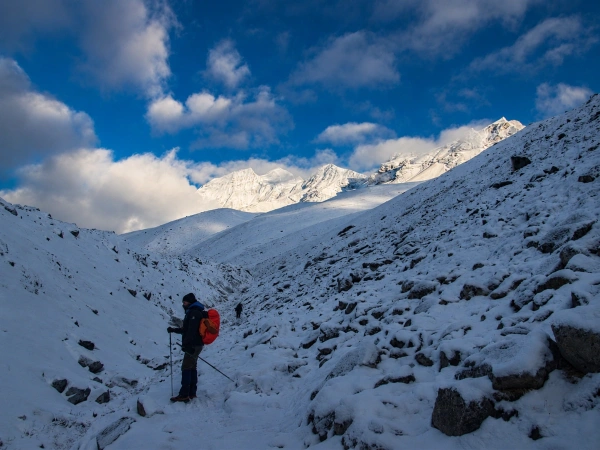
Prepare for the most challenging section of the Manaslu Circuit Trek. Your journey begins before dawn toward the strenuous Larke La Pass. The ascent is long and steep, requiring you to traverse through rocky moraines and snowy/icy trails. Despite the difficulty, reaching the 5,106-meter Larke La Pass summit gives you rewarding views of the stunning Himalayan panorama, including Cheo Himal, Himlung Himal, Annapurna II, and the majestic Manaslu.

Spend some time soaking in this incredible achievement before beginning the demanding descent to Bimthang. The trails are rugged; therefore, careful footing is essential to minimize risks of injury or accidents. After descending approximately 1,500 meters, you will reach the Bhimtang, where you can enjoy a much-deserved rest.

Day 12

Trek from Bimthang to Tilije (2,300m)

Leaving Bimthang

As you depart from Bimthang, you will leave the harsh alpine environment and enter the lush sub-tropical forests of the lower regions. The trek takes you across high pastures and through serene rhododendron and pine forests along the Dudh Khola. You will pass several villages, including Yak Kharka and Karche, relishing the views of Manaslu and Himlung Himal before reaching the charming Gurung village of Tilije.

Day 13

Drive from Tilije to Kathmandu/Pokhara via Besisahar

Before Tilije

You have come to the end of your trek in the Manaslu Circuit. Your day begins with a short hike from Tilije to the road point where you will board a local jeep to Besisahar. The drive is scenic and allows you to enjoy the quaint village landscapes. From Besisahar, you will get on a local vehicle for your return to Kathmandu. Upon reaching Kathmandu, you can check into your hotel for a much-awaited hot shower and much-deserved rest.

Day 14

Final Departure from Nepal

Certificate of Appreciation

Your 14-day Manaslu Circuit Trek officially concludes today. Prepare to leave the hotel for the airport at least 3 hours before your boarding time. Nature Lovers Treks and Tours representative will assist in transferring to Tribhuvan International Airport in a private vehicle.

Still Confused?
No worries. Our team is ready to guide you every step of the way.

Cost Details

Includes

  • Airport pick-up and drop-off in Kathmandu during arrival and departure
  • Ground transportation by local bus or jeep from Kathmandu to Machha Khola and from Tilije to Kathmandu
  • Hotel accommodation in Kathmandu with breakfast included
  • Private twin-sharing teahouse accommodation throughout the Manaslu Circuit trek
  • Three meals per day (Breakfast, Lunch, and Dinner) during the trek
  • Services of a government-registered, experienced, English-speaking Manaslu trekking guide, including all expenses and insurance
  • All required Manaslu trekking permits: Manaslu Restricted Area Special Permit, Manaslu Conservation Area Project (MCAP) permit, Annapurna Conservation Area Project (ACAP) permit, and Tsum-Nubri Rural Municipality permit fee
  • Complimentary company t-shirt, duffel bag, detailed trip route map, and certificate of appreciation
  • First-aid medical kit bag with pulse oximeter for altitude monitoring
  • All government VAT, taxes, and official service charges

Excludes

  • International airfare and on-arrival visa fee at Kathmandu airport
  • Meals, drinks, and sightseeing in Kathmandu
  • Travel insurance (mandatory, must cover emergency evacuation and medical expenses)
  • Porter service (available at an additional cost, shareable between two trekkers)
  • Personal trekking gear and equipment
  • Personal expenses during the trek, including laundry, phone calls, battery charging, Wi-Fi, hot showers, beverages, snacks, or souvenirs
  • Tips for the field staff (highly recommended)

Add-Ons & Options

Make your Manaslu Circuit trek more comfortable and convenient with our optional add-ons. From private transfers to essential gear rentals, these services are designed to help you focus on the adventure and enjoy every moment of your journey.

Take the weight off your shoulders literally. Our experienced porters will carry your gear (up to 25 kg), giving you the freedom to fully enjoy the stunning views and immerse yourself in the trek. One porter can be shared between two travelers for a more convenient and relaxed experience.

Prefer a smoother start to your trek? Choose a private Jeep transfer from Kathmandu to Machhakhola. It’s a comfortable and hassle-free way to begin your journey.

End your Manaslu Circuit trek in comfort with a private Jeep transfer from Tilije to Kathmandu or Pokhara. Enjoy a smooth, stress-free ride after your adventure through the mountains.

Make your Manaslu Circuit trek easier by renting essential gear from us. Get a warm down jacket, sleeping bag, trekking poles, and microspikes without the hassle of carrying them from home. Simply rent, use during your trek, and return after your adventure

Still Confused? Consult an Expert

Equipment Lists

The Manaslu Circuit Trek takes you across the diverse Himalayan terrains, from sub-tropical regions to the arid high-altitude terrains. Considering the remoteness of this trek, it is crucial to prepare adequately, especially to tackle the harsh conditions of the high elevation and the Larke La Pass crossing.

Here is a comprehensive list of gear and equipment for a safe and comfortable high-altitude Manaslu Circuit Trek in Nepal:

Head
+
  • Wool hat / beanie
  • Sun hat / cap
  • Neck gaiter / buff / balaclava
  • Sunglasses (Category 3 or 4, UV protection)
  • Ski goggles (optional, for snow/windy conditions)
Upper Body
+
  • Moisture-wicking thermal base layers (2–3)
  • Fleece or insulated mid-layer
  • Down jacket (high-altitude rated)
  • Waterproof and windproof shell jacket
  • Trekking shirts (long and short sleeve, 3–4)
  • Light rain jacket or poncho
Hands
+
  • Thermal liner gloves
  • Waterproof / windproof gloves
  • Mittens (optional, for extreme cold)
Lower Body
+
  • Thermal leggings / base layer
  • Trekking pants (2–3 pairs)
  • Waterproof overpants
  • Gaiters (essential for snow/muddy trails)
  • Comfortable pants for evenings / lodge
Foot Wear
+
  • Sturdy waterproof trekking boots (well broken-in)
  • Warm trekking socks (4–5 pairs, wool or thermal)
  • Camp shoes / sandals
  • Microspikes or crampons (for snow/ice on Larke La)
Travel Documents
+
  • Passport with valid Nepal visa
  • Travel insurance (must cover emergency helicopter evacuation)
  • Passport-sized photos
  • Copies of important documents (digital and printed)
Sun Stuffs
+
  • Sunglasses strap / retainer
  • Sunblock (SPF 50+)
  • Lip balm with SPF
Toiletries
+
  • Toothbrush and toothpaste
  • Biodegradable soap / shampoo
  • Quick-dry towel
  • Hand sanitizer and wet wipes
  • Toilet paper
  • Personal medications
Eating & Drinking
+
  • Reusable water bottles or hydration bladder
  • Water purification tablets or filter
  • Snacks / energy bars / trail mix
  • Electrolyte powder or hydration salts
Sleeping Bags
+
  • Sleeping bag rated –10°C to –15°C (colder if trekking in winter)
  • Sleeping bag liner
  • Inflatable sleeping pad (optional, for comfort)
Bag Packs
+
  • Daypack (30–40L)
  • Duffel bag for porter (60–80L)
  • Rain cover for backpack
  • Small pouch for valuables / wallet
Medical & First Aid
+
  • Personal medications
  • Basic first-aid kit (bandages, antiseptic, blister care)
  • Altitude sickness medication (Diamox, if prescribed)
  • Pain relievers and anti-inflammatory tablets
  • ORS or rehydration salts
  • Insect repellent
Miscellaneous
+
  • Trekking poles
  • Microspikes (especially in winter or snowy conditions)
  • Power bank and charging cables
  • Camera or phone for photos
  • Travel adapter
  • Notebook and pen
  • Cash (Nepalese rupees)
  • Lightweight lock for bags
  • Earplugs and eye mask

Essential Information

When is the Best Time for the Manaslu Circuit Trek

Choosing the right time to take on the challenges of the high-altitude Manaslu Circuit Trek is crucial for a safe and successful journey. You need to consider the weather and visibility for a hassle-free and more enjoyable trek.

Trekking in autumn (September to November) is regarded as the best time for the Manaslu Circuit Trek. The post-monsoon months offer crisp visibility with reduced chances of rain. The daytime temperatures are moderate, while nights in the higher elevation regions can get chilly. You will find stable weather, which is essential for crossing the Larke La Pass.

Spring (March to May) is another favorable time for the Manaslu Trek. The temperatures begin to rise with increased daytime hours. In the lower sub-tropical regions, you will find the landscape engulfed with vibrant rhododendron and wildflower blossoms.

Nepal Manaslu Circuit Trek Difficulty

The Manaslu Circuit Trek is a strenuous trek that involves navigating through the diverse terrains of the Himalayas. While the lower elevation regions are more relaxing, the arid high-altitude terrain can be more demanding, especially during the Larke La Pass (5,106 meters) crossing – the highest point of the Manaslu Circuit trek. It is crucial to follow the acclimatization strategies as mentioned in the itinerary to reduce the chances of Acute Mountain Sickness (AMS) or altitude sickness.

Trekkers are required to have excellent physical fitness and preferably prior high-altitude trekking experiences for a safe and memorable journey. Mental preparedness is equally crucial, as you will face several challenges on this high-altitude remote trek that demands a sturdy combination of strong morale and physical endurance.

Who can go on the Manaslu Circuit Trek in Nepal?

The Manaslu Circuit Trek is a high-altitude journey across some of the most secluded regions in Nepal. To go on this restricted trek, you need an excellent level of physical fitness and morale. This 14-day trek is generally recommended for:

  • Experienced trekkers with prior high-altitude trekking experience
  • Physically fit individuals who can comfortably complete an 8 to 9-hour trek over rugged and steep terrain
  • Cultural enthusiasts looking to delve into the Tibetan-Buddhist culture and heritage of the ancient and restricted Numbri and Tsum Valleys.
  • Adventure seekers keen on exploring the off-the-beaten-path trails of the Manaslu region

Manaslu Circuit Trek - 14 Days FAQs

Manaslu Base Camp is located on the northern side of Mount Manaslu in Nepal's Gorkha District, at an altitude of approximately 4,800 meters (15,748 feet) above sea level. It sits beneath the world's eighth-highest mountain, offering spectacular views of Manaslu and the surrounding Himalayan peaks.

Most trekkers on the Manaslu Circuit do not visit the base camp itself, as it requires a side trip from Samagaun, the main acclimatization village on the route. The hike to Manaslu Base Camp is a popular acclimatization excursion and can usually be completed as a day trip from Samagaun.

To join the Manaslu Circuit Trek, you can book directly with us at Nature Lovers Treks & Tours. Since the Manaslu region is a restricted area trek, we will arrange all required permits, provide a licensed guide, and organize your full itinerary from arrival to departure.

You can choose to join a fixed group departure or request a private trek based on your preference. Once you confirm your booking with us, we will handle all logistics including permits, transportation, accommodation, and guiding services to ensure a smooth and well-organized Manaslu Circuit Trek experience.

On the Manaslu Circuit Trek, toilet facilities are basic but generally available in teahouses along the route. In lower villages, you may find simple Western-style toilets or squat toilets, often shared and located outside the rooms.

As you go higher on the Manaslu Circuit Trek, especially above Samagaun, facilities become more basic, with mostly squat toilets and limited running water. Toilet paper is not always provided, so it’s important to carry your own and bring hand sanitizer for hygiene.

On the Manaslu Circuit Trek, hot showers are available in most teahouses along the route, usually for an extra fee. In lower villages, showers are more comfortable and reliable, while at higher elevations they may be limited to bucket or solar-heated water.

You can also wash small items of clothing during the Manaslu Circuit Trek, but laundry facilities are very basic and drying clothes can be difficult due to cold temperatures. Most trekkers carry quick-dry clothing and wash essentials by hand when needed.

Yes, it is strongly recommended to treat or purify all drinking water on the Manaslu Circuit Trek. While safe drinking water is available in teahouses (boiled or bottled), untreated tap or stream water should not be consumed directly.

Most trekkers on the Manaslu Circuit Trek use water purification tablets, filters, or buy boiled water from teahouses. Bottled water is also available but becomes more expensive and less environmentally friendly at higher altitudes.

On the Manaslu Circuit Trek, the chance of getting lost is very low when trekking with a licensed guide, which is mandatory for this route. The trail is generally well-established and local guides are highly familiar with the terrain, villages, and changing mountain conditions.

However, because the Manaslu Circuit Trek passes through remote valleys, forests, and high mountain sections, visibility can sometimes drop due to fog, snow, or bad weather. In such cases, trekking with a guide is especially important, as they ensure safe navigation and keep you on the correct route.

On the Manaslu Circuit Trek, wildlife encounters are generally rare, but sightings are still possible in certain remote sections, especially in quieter forested areas and higher alpine zones. Animals such as Himalayan tahr, blue sheep, musk deer, and various bird species may be spotted, and in very rare cases, signs of larger wildlife like snow leopards can be found.

Even though sightings are not common, the Manaslu region is a protected natural habitat, so it’s good to stay aware, keep to the trail, and avoid trekking alone at night. With a guide on the Manaslu Circuit Trek, safety is well managed and any wildlife encounters are typically harmless and brief.

On the Manaslu Circuit Trek, it’s generally better not to hand out sweets, money, or small gifts directly to children. While it may feel kind in the moment, it can unintentionally encourage begging and create long-term dependency in remote mountain communities.

If you want to help, a more meaningful approach is to support local schools or community programs through your trekking company or trusted organizations. On the Manaslu Circuit Trek, this ensures your contribution is fair, organized, and truly beneficial to the local children and villages you pass through.

To pack lightly for theManaslu Circuit Trek, focus on bringing only essential items and choose lightweight, quick-drying clothing that can be layered. Avoid packing too many spare clothes, as most trekkers wear the same trekking outfits for several days.

A porter can carry your main duffel bag, while you only need to carry a small daypack with essentials such as water, snacks, extra layers, valuables, and personal items. You can also leave any unnecessary luggage safely at our office in Kathmandu while you are on the Manaslu Circuit Trek.

Yes, you can rent most trekking gear for the Manaslu Circuit Trek in Kathmandu. Items such as sleeping bags, down jackets, trekking poles, and crampons are widely available for rent at reasonable prices.

Renting gear is a great option if you do not want to travel with bulky equipment or are trekking in Nepal for the first time. Our team at Nature Lovers Treks & Tours can help you arrange high-quality rental gear before your Manaslu Circuit Trek begins.

Tipping on the Manaslu Circuit Trek is not mandatory, but it is highly appreciated and is an important way to recognize the hard work of your guides and porters. The amount you tip is entirely up to you and should reflect your satisfaction with the service provided.

As a general guideline, many trekkers tip around 10–15% of the total trek cost, which is then shared among the trekking staff. You may also choose to tip guides and porters individually. While tipping is always voluntary, it is a valued part of trekking culture in Nepal.

On the Manaslu Circuit Trek, it is best to rely on cash rather than debit or credit cards. Card payment facilities are extremely limited along the route, and there are no reliable ATMs in most trekking villages.

We recommend carrying enough cash in Nepali Rupees to cover your personal expenses such as drinks, snacks, Wi-Fi, hot showers, charging devices, and tips. Debit and credit cards can generally be used in Kathmandu before and after the Manaslu Circuit Trek, but should not be relied upon during the trek itself.

There is no strict age limit for the Manaslu Circuit Trek. The trek can be completed by both younger and older trekkers, provided they are in good physical health and adequately prepared for the demands of high-altitude trekking.

We have successfully guided trekkers ranging from children to seniors on the Manaslu Circuit Trek. The most important factors are fitness, determination, proper acclimatization, and having a suitable itinerary. If you have any pre-existing medical conditions or concerns, we recommend consulting your doctor before the trek.

For the Manaslu Circuit Trek, we recommend carrying a 25–35 liter daypack for your personal essentials, such as water, snacks, extra layers, rain gear, valuables, and a camera. This is the backpack you will carry yourself each day.

Your main trekking gear can be packed in a duffel bag of around 60–80 liters, which will be carried by a porter. Keeping your daypack light will make the Manaslu Circuit Trek much more comfortable and enjoyable.

Whenever possible, it is best to use the toilets available at teahouses and lodges along the Manaslu Circuit Trek. However, if you need to use the restroom while on the trail, move well away from the path, water sources, and villages to ensure privacy and minimize environmental impact.

Always follow Leave No Trace principles by carrying toilet paper, hand sanitizer, and a small waste bag to pack out used paper where appropriate. Your guide can also advise you on suitable places and local practices during the Manaslu Circuit Trek.

No, most trekkers do not need to carry supplemental oxygen on the Manaslu Circuit Trek. With a proper itinerary, adequate acclimatization, and a gradual ascent, the vast majority of trekkers complete the trek safely without using oxygen.

However, because the Manaslu Circuit Trek reaches high altitudes, it is important to recognize the symptoms of altitude sickness and follow your guide's advice at all times. The best prevention remains proper acclimatization, staying hydrated, and avoiding a rapid ascent.

The Manaslu Circuit Trek is generally more remote, less crowded, and more adventurous than both the Annapurna Base Camp and Everest Base Camp treks. Unlike these popular routes, Manaslu passes through a restricted area, offering a more authentic cultural experience, quieter trails, and a true wilderness atmosphere.

While the Everest Base Camp Trek is famous for its iconic mountain views and the Annapurna Base Camp Trek for its diverse landscapes and accessibility, the Manaslu Circuit Trek combines spectacular scenery, Tibetan-influenced culture, remote villages, and the challenging crossing of Larkya La Pass, making it one of Nepal's most rewarding off-the-beaten-path adventures.

There are no full-service hospitals along the Manaslu Circuit Trek. Basic health posts and small clinics are available in some larger villages like Lho and Samagaun, but medical facilities are limited, especially at higher elevations.

For serious illnesses or injuries on the Manaslu Circuit Trek, the usual course of action is to descend to a lower altitude or arrange an emergency helicopter evacuation to a hospital in Kathmandu. This is why comprehensive travel insurance covering high-altitude trekking and emergency rescue is mandatory.

The Manaslu Circuit Trek is considered a moderately challenging trek. It does not require technical climbing skills, but trekkers should be prepared for long walking days, steep trails, and high-altitude trekking. The highest point is Larkya La Pass (5,106m/16,752ft), where altitude can make the trek more demanding.

Most people with a good level of fitness and adequate preparation can complete the trek successfully. Walking days typically range from 5–8 hours, and proper acclimatization is essential for a safe and enjoyable journey. The challenge is well rewarded with spectacular mountain views, authentic culture, and a less-crowded trekking experience.

Your guide and porter will typically be experienced local trekking professionals who are familiar with the Everest region, its trails, culture, and altitude-related challenges. Guides are responsible for your safety, navigation, daily logistics, and providing information about the local area, while porters help carry your duffel bag, allowing you to trek more comfortably.

At our company, we work with licensed, knowledgeable, and friendly guides and porters who have extensive experience leading trekkers to Everest Base Camp. We are happy to introduce your guide before the trek and answer any questions you may have about your trekking team.

The Manaslu Circuit Trek typically takes 12–16 days to complete, depending on the itinerary, acclimatization schedule, and side trips. Most trekkers spend 14–16 days on the trail to allow proper acclimatization before crossing Larkya La Pass (5,106m/16,752ft).

Shorter itineraries are possible, but allowing extra time helps reduce the risk of altitude sickness and makes the trek safer and more enjoyable.

The Manaslu Circuit Trek is generally safe when completed with proper preparation, but it is a remote and challenging high-altitude trek. In addition to the risk of altitude sickness, trekkers will encounter sheer cliffs, narrow and exposed trails along steep mountain slopes, river gorges, and occasional falling rocks in some lower sections of the trail, particularly in areas affected by landslides. Strong winds and cold temperatures can also add to the challenge at higher elevations, including Larkya La Pass.

With a well-planned itinerary, proper acclimatization, favorable weather, and an experienced guide, most trekkers complete the trek safely while enjoying one of Nepal's most spectacular and rewarding trekking experiences.

The best time to trek the Manaslu Circuit is during the spring (March to May) and autumn (September to November) seasons. These months offer the most stable weather, clear mountain views, comfortable temperatures, and the best trail conditions.

Autumn is generally considered the most popular season due to its crystal-clear skies and dry conditions, while spring brings blooming rhododendron forests and slightly warmer temperatures. Winter and monsoon treks are possible but are more challenging due to snow, cold temperatures, rain, and reduced visibility.

Accommodation on the Manaslu Circuit Trek is primarily in local teahouses and lodges. Rooms are usually simple and twin-sharing, with basic beds, blankets, and shared bathroom facilities. As the trek gains altitude, facilities become more basic and amenities may be limited.

Most teahouses also provide freshly cooked meals, warm dining areas, and charging facilities for an additional fee. While the accommodations are modest, they offer a comfortable and authentic experience of the local mountain culture.

Teahouses along the Manaslu Circuit Trek offer a variety of meals, including traditional Nepali dishes like dal bhat, as well as noodles, fried rice, soups, potatoes, pasta, pancakes, eggs, bread, and seasonal vegetables. Tea, coffee, hot chocolate, and other hot drinks are also widely available.

The menu becomes more limited at higher elevations, but you will still find nutritious and filling meals throughout the trek. Vegetarian options are readily available and are often recommended at higher altitudes for freshness and easier digestion.

Yes, recent regulations now allow solo travelers to trek the Manaslu Circuit without needing to join another trekker. However, the trek must still be arranged through a registered trekking company, and you are required to be accompanied by a licensed guide throughout the journey. The previous requirement of having a minimum of two trekkers for the restricted area permit has been removed.

While you can now trek as an individual, independent guide-free trekking is still not permitted in the Manaslu region. Your trekking company will handle the necessary permits and guide arrangements, ensuring a safe and legal trekking experience.

Larkya La Pass is generally safe when crossed in good weather and with proper acclimatization. As the highest point of the Manaslu Circuit Trek at 5,106 meters (16,752 feet), it can be physically demanding due to high altitude, cold temperatures, and strong winds.

Most trekkers cross the pass safely with an experienced guide, an early morning start, and a well-paced itinerary. However, if there is heavy snowfall, poor visibility, or severe weather conditions, it is often safer to turn back and wait for conditions to improve rather than attempt the crossing. Your guide will assess the situation and help make the safest decision based on current conditions.

Yes, many first-time trekkers successfully complete the Manaslu Circuit Trek. While the trek is physically demanding and reaches high altitudes, it does not require any technical climbing skills. With a reasonable level of fitness, proper preparation, and a sensible pace, beginners can enjoy and complete the trek safely.

The key is to choose a well-planned itinerary with adequate acclimatization days, follow your guide's advice, and prepare with regular walking or exercise before your trip. A positive attitude and determination are often just as important as physical fitness.

Absolutely. The Manaslu Circuit Trek is often considered one of Nepal's most rewarding trekking experiences, offering spectacular Himalayan scenery, authentic Tibetan-influenced culture, diverse landscapes, and a true sense of wilderness far from the crowds.

Unlike some of Nepal's busier trekking routes, Manaslu remains relatively remote and unspoiled. From lush valleys and ancient villages to the dramatic crossing of Larkya La Pass, the trek delivers an unforgettable adventure for those seeking both natural beauty and cultural immersion.

The Manaslu Circuit Trek is much less crowded than the Everest Base Camp and Annapurna Circuit treks. Even during the peak spring and autumn seasons, the trails generally remain peaceful, allowing for a more authentic and immersive Himalayan experience.

However, some teahouses can fill up during busy periods, especially around popular overnight stops. Booking through a trekking company and starting each day early helps ensure a comfortable experience throughout the trek.

The fastest way to complete the Manaslu Circuit Trek is in 10–12 days, following a compressed itinerary with minimal acclimatization and side trips. However, this approach is only recommended for experienced trekkers who are already acclimatized and comfortable with long trekking days at high altitude.

For most trekkers, a 14–16 day itinerary is strongly recommended, as it provides adequate time for acclimatization and significantly reduces the risk of altitude sickness while making the trek safer and more enjoyable.

Not in the same way as Everest Base Camp or some parts of the Annapurna region. The Manaslu Circuit is a remote trekking route, and accommodation is limited to basic teahouses and lodges. Luxury hotels, private bathrooms, and high-end amenities are generally not available along most of the trail.

However, you can make the trek more comfortable by hiring experienced guides and porters, choosing the best available lodges, upgrading accommodations where possible, and arranging private transportation before and after the trek. The focus of the Manaslu Circuit is its wilderness, culture, and adventure rather than luxury accommodation.

Since there are no reliable ATMs along most of the Manaslu Circuit, it is important to carry enough cash for the entire trek. Most trekkers should budget USD 30–50 per day for personal expenses such as drinks, snacks, charging devices, Wi-Fi, hot showers, and tips.

If your trek package already includes accommodation and meals, carrying USD 300–400 (or the equivalent in Nepali Rupees) is usually sufficient for personal spending. It is always wise to bring a little extra cash for unexpected expenses or itinerary changes.

Most trekkers feel fitter and healthier after completing the Manaslu Circuit Trek. The trek involves days of walking through the mountains, which can improve cardiovascular fitness, endurance, and overall physical well-being. Many people also find that spending time in nature helps reduce stress and improve mental clarity.

However, the trek is physically demanding, and it is normal to feel tired or lose some weight during the journey. With proper rest, nutrition, and recovery afterward, many trekkers return home feeling stronger, more energized, and accomplished.

Temperatures on the Manaslu Circuit Trek vary by season and altitude. During the popular spring and autumn trekking seasons, daytime temperatures are usually pleasant, but nights can be quite cold, especially at higher elevations.

Around Larkya La Pass and the higher villages, nighttime temperatures can drop to -10°C to -15°C (14°F to 5°F), while early morning pass crossings are often below freezing. In winter, temperatures can fall much lower, with heavy snowfall and extreme cold making the trek significantly more challenging.

Yes, the Manaslu Circuit Trek is generally very safe when undertaken with proper preparation, acclimatization, and a licensed guide. Thousands of trekkers complete the route successfully each year, enjoying its spectacular scenery and rich cultural heritage.

As with any high-altitude trek, there are risks such as altitude sickness, changing weather, landslides, falling rocks in some sections, and narrow trails along steep slopes. Following a well-planned itinerary, listening to your guide, and allowing enough time for acclimatization greatly reduces these risks and helps ensure a safe and enjoyable trek.

The best way to prevent altitude sickness is to ascend gradually, follow a proper acclimatization schedule, stay well hydrated, eat regularly, and avoid alcohol and smoking while trekking. Walking at a steady pace and listening to your body are also very important.

If you develop symptoms such as headache, nausea, dizziness, or unusual fatigue, inform your guide immediately. Never ignore altitude sickness symptoms, and be prepared to rest or descend if necessary. A well-planned itinerary with adequate acclimatization days is the most effective way to stay safe at high altitude.

Yes, phone charging and Wi-Fi are available in many teahouses along the Manaslu Circuit Trek, but they become less reliable and more expensive at higher elevations. Most lodges charge a small fee for device charging, and power is often supplied by solar energy.

Wi-Fi is available in some villages, but speeds can be slow and connections may be unreliable, especially in remote areas. If staying connected is important, consider purchasing a local SIM card before the trek, though mobile coverage is also limited in certain sections of the route.

Yes, many trekkers choose to carry Diamox (Acetazolamide) as a precaution against altitude sickness, especially on high-altitude treks like the Manaslu Circuit. It can help your body acclimatize more effectively, but it should not be used as a substitute for proper acclimatization.

Always consult your doctor before taking Diamox to ensure it is suitable for you and to discuss the correct dosage. Even if you carry Diamox, the most important prevention measures remain a gradual ascent, adequate hydration, and listening to your body's warning signs.

The weather in the Manaslu region varies greatly with altitude and season. Lower elevations are generally mild, while higher areas can be cold, windy, and unpredictable. During the popular spring (March–May) and autumn (September–November) seasons, trekkers can usually expect stable weather, clear skies, and excellent mountain views.

Conditions can change quickly in the mountains, especially near Larkya La Pass. Rain is common during the monsoon season (June–August), while winter (December–February) brings colder temperatures, snowfall, and the possibility of trail closures at higher elevations.

If you get sick during the Manaslu Circuit Trek, inform your guide immediately. Most common issues, such as headaches, stomach problems, colds, or mild altitude symptoms, can often be managed with rest, hydration, medication, or an extra acclimatization day.

If your condition worsens or you develop serious symptoms of altitude sickness, the safest option is usually to descend to a lower elevation. In severe cases, helicopter evacuation can be arranged. For a detailed guide on recognizing symptoms, prevention, and emergency procedures, be sure to read our recent blog on altitude sickness at Dharamsala and Larkya La Pass. Comprehensive travel insurance covering high-altitude trekking and emergency evacuation is strongly recommended.

Yes, we recommend carrying lightweight crampons or microspikes, even during the main trekking seasons of spring and autumn. While many trekkers cross Larkya La Pass without needing them, weather conditions in the Himalayas can change quickly, and unexpected snowfall or icy sections are always possible.

Crampons are lightweight, easy to pack, and can provide valuable extra traction and confidence if conditions become slippery. It is better to carry them and not need them than to need them and not have them. Your guide will advise whether they should be used based on current trail conditions.

Yes, in most cases you can call home during the Manaslu Circuit Trek. Mobile network coverage is available in many villages along the route, although signal strength can be weak or unavailable in some remote sections and at higher elevations.

Many trekkers use a local Nepal SIM card for calls and data, while some teahouses also offer Wi-Fi for messaging and internet-based calls. Connectivity can be unpredictable, so it is best to let family and friends know that there may be periods when you are temporarily out of contact.

The best preparation is to focus on cardiovascular fitness, leg strength, and endurance. Regular hiking, long walks, stair climbing, running, cycling, or swimming can help build the stamina needed for multiple days of trekking at high altitude.

Ideally, start training 8–12 weeks before your trek and gradually increase the duration and intensity of your workouts. If possible, practice hiking with a backpack and include uphill walks or stair sessions to simulate trekking conditions. Consistency is more important than intensity, and a good fitness base will make the trek safer and more enjoyable.

The highlights of the Manaslu Circuit Trek include visiting Manaslu Base Camp, exploring the traditional villages of Samagaun and Samdo, and crossing the spectacular Larkya La Pass. Trekkers can also enjoy rewarding side trips to Pungyen Gompa, Serang Gompa, and other lesser-known viewpoints and cultural sites along the route.

Other memorable experiences include visiting ancient monasteries, spotting Himalayan wildlife, immersing yourself in Tibetan-influenced culture, and enjoying breathtaking views of Mount Manaslu and the surrounding peaks. For a complete guide to the best side excursions, be sure to read our recent blog on the top side trips and hidden gems of the Manaslu Conservation Area.

Yes. The Manaslu Circuit Trek passes through a restricted area, so trekkers are required to obtain a Manaslu Restricted Area Permit (RAP). In addition, you will also need the Manaslu Conservation Area Project (MCAP) Permit and the Annapurna Conservation Area Project (ACAP) Permit.

These permits must be arranged through a registered trekking company, and trekkers are required to be accompanied by a licensed guide throughout the trek. Your trekking company will normally handle all permit arrangements on your behalf.

Yes, travel insurance is mandatory for the Manaslu Circuit Trek. Since the Manaslu region is a restricted area and the trek reaches high altitudes in a remote part of Nepal with limited medical facilities, comprehensive insurance is essential before starting your journey.

Your policy should specifically cover high-altitude trekking up to at least 5,200 meters, emergency helicopter evacuation, medical treatment, trip interruption, and repatriation. Before purchasing insurance, carefully check the policy details to ensure that trekking in Nepal's restricted areas and emergency rescue services are fully covered.

On the Manaslu Circuit Trek, your licensed guide is trained to handle common trekking emergencies, including altitude sickness, injuries, and illness. They will assess your condition, provide first aid, monitor your symptoms, and recommend rest, descent, or itinerary adjustments when necessary.

In more serious situations, emergency evacuation can be arranged, including helicopter rescue when weather and conditions permit. Our office team remains in regular contact throughout the trek and can assist with emergency logistics, communication, insurance coordination, and evacuation arrangements, ensuring you receive prompt support even in this remote and restricted region.

You can contribute positively on the Manaslu Circuit Trek by respecting local culture, supporting local teahouses and businesses, and minimizing your environmental impact. Carry reusable bottles, avoid single-use plastics, and follow Leave No Trace principles throughout the journey.

On the Manaslu Circuit Trek, hiring local guides and porters, buying local products, and being respectful to customs and monasteries directly supports mountain communities. You can also contribute further by donating or supporting local schools and conservation efforts through trusted organizations along the Manaslu region.

Prepare well by training in advance, acclimatize properly, stay hydrated, pack smart, and always follow your guide's advice. Most importantly, take your time, respect local culture, and enjoy every moment of the incredible Manaslu Circuit Trek experience.

What Our Guests Say?

171 reviews
57 reviews
100 reviews
Manaslu Circuit/Tsum Valley/Nepal Sightseeing

We (a couple) organized our 4 weeks holydays with Nature Lovers Treks & Tours. Beside our 19 days trek to the Tsum Valley and the Manaslu Circuit, we visited Pokhara, Chitwan NP, and some days...

read more +
h
hj - Nepal
November 22, 2024
Manaslu Circuit - thank you Nature Lovers!

Nature Lovers took us round the Manslu Circuit. Gokarna really went above and beyond ensuring the tea-houses we stayed at new in advance abour a soya-allergy. They organised the 4WD journeys there and back and...

read more +
N
NJCM - Nepal
September 08, 2024
Manaslu Circuit Trekking September 2019

Together with a friend I booked the Manaslu circuit trekking with Nature Lovers. It was a wonderful experience, everything was superbly organised. From the moment our guide Rabin picked us up at the airport until...

read more +
N
Niels S - Belgium
November 06, 2019

You May Also Like

Best Combo Trip
Manaslu Tsum Valley Trek - 20 Days
5.0(1 Review)

Manaslu Tsum Valley Trek - 20 Days

From
US$1450
US$1950
EBC Premium Package
Everest Base Camp Luxury Trek - 11 Days
hidden sacred valley
Tsum Valley Trek: Iinerary, Cost, Map
Need Help? Call Us+977 9851254172