Nepal Trekking Safety Update as of 4 October 2026
Current Status: Nepal remains open to tourism and trekking. But the August 26 flood affected trail conditions in different districts in Nepal.
Trekking Restriction: Travelers must avoid the Rasuagadhi, Timure, and Syafrubesi areas of Rasuwa District. The Langtang Valley Trek, the Gosaikunda Trek, and the Tamang Heritage Trail are closed.
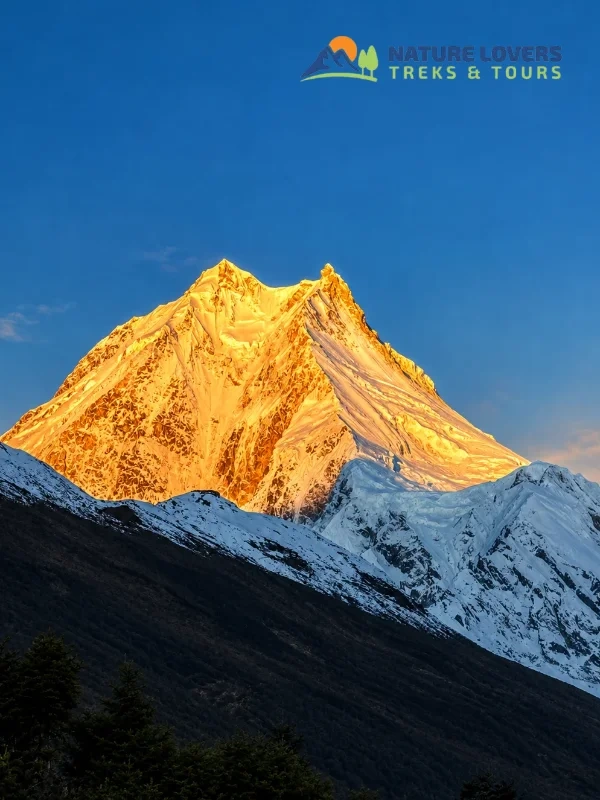
Manaslu Region: According to the Nepal Tourism Board, on 11 September, the Namrung section was restored, and all restrictions have been lifted for Manaslu region treks.
Before departure: Before traveling, check advisories, weather forecasts, route status, and local updates online and with your trekking agency.
Key Takeaway: The Everest and Annapurna region trails are not affected by any unannounced natural disaster and are also a safe alternative for trekking in Nepal.
Is Nepal Safe to Trek Right Now in 2026? Safety Snapshot
Nepal has experienced significant floods, avalanches, and landslides in different districts because of heavy rainfall during the late monsoon.
What is the current travel advisory for Nepal?
The U.S. State Department lists Nepal as a Level 2 country for unpredictable natural disasters. This means travelers should be cautious when choosing high-altitude adventures in Nepal. Unannounced floods, landslides, and avalanches blocked many routes and trekking trails in Nepal. The embassy in Kathmanduadvised travelers to avoid the Rasuwagadhi, Timure, and Syafrubesi routes because of the heavy flooding on 26 August.
Is Nepal closed to tourists?
No, Nepal is not closed to tourists. The Tribhuvan International Airport has remained open throughout the floods, landslides, and avalanches. The Nepal Tourism Board announced on September 1 that the country will continue to welcome tourists. The damaged trekking trails and routes are currently closed for travelers' safety.
Are trekking routes currently safe in Nepal?
No, not all trekking in Nepal is currently safe. The roads toward Dunche, Syabrubesi, Rasuwagadhi, and Timure remain closed, affecting the Langtang Valley Trek. On 27th September, an avalanche struck the base camp of Himlung Himal, located in Manang district, leaving 15 people dead and one person missing.
What should trekkers check before departure?
Trekkers must check official advisories, local route status, weather forecasts, and guide confirmation at least 48 hours before starting their journey.
Which Trekking Routes in Nepal Are Safe Right Now? Route Status Table
Unannounced monsoon floods, landslides, and avalanches affected many trekking trails and routes in Nepal. The table below shows trekking conditions in Nepal in October 2026, and it can change within days.
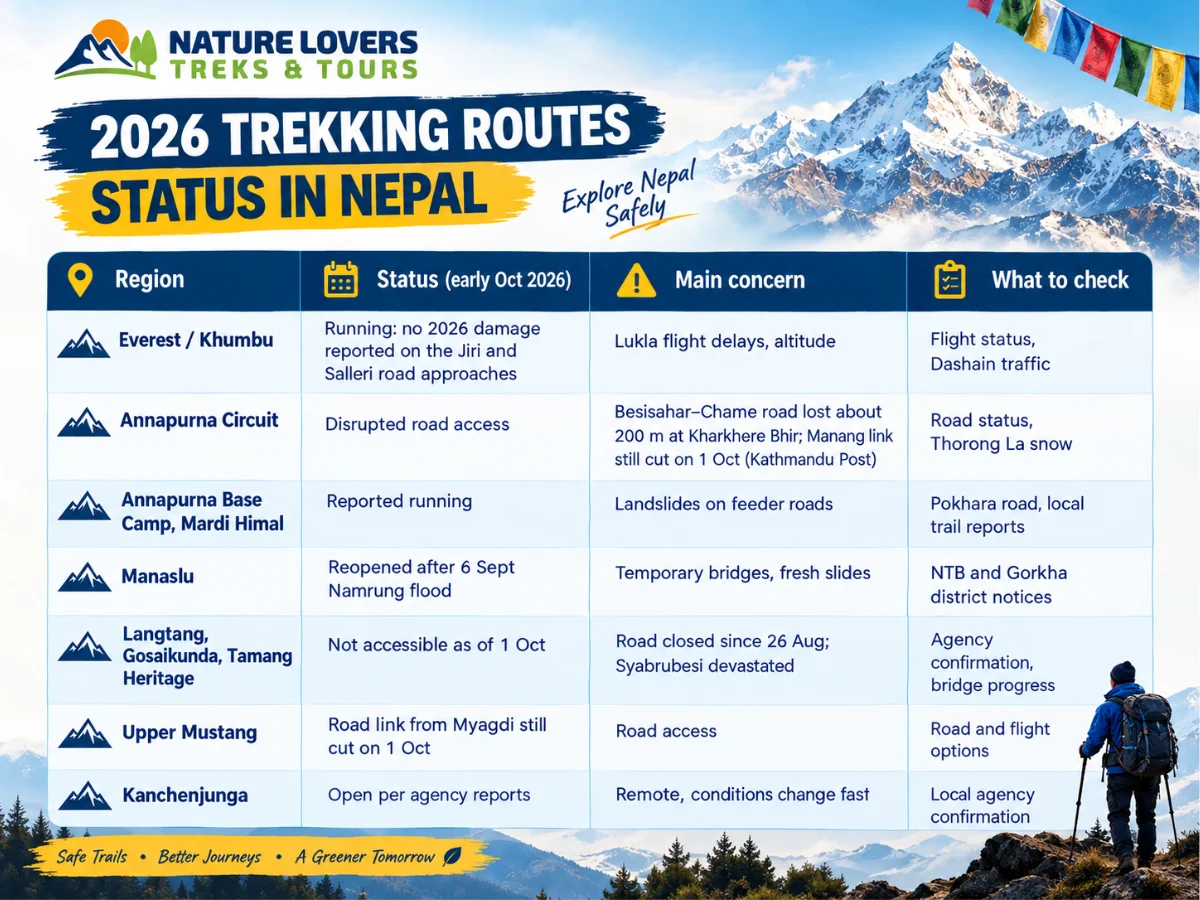
Key Takeaway: Remember, routes and trails can be repaired within days, so contact your agencies for current trail conditions and alternative trekking routes in Nepal.
Why can you still trek in many parts of Nepal in 2026?
The floods, landslides, and avalanches only affected certain parts of trekking routes in Nepal. But some routes have reopened, or alternative safe routes are already established for trekking in Nepal. The travel agencies, teahouses, mountain lodges, tourist police, and Nepal Tourism Board continued serving tourists. The 26 August flood in Nepal affected Dhunche, Syabrubesi, Rasuwagadhi, and Timure. So the Everest region, the Manaslu region, and the Annapurna region are still open for trekkers.
How Have the 2026 Floods and Landslides Affected Trekking in Nepal?
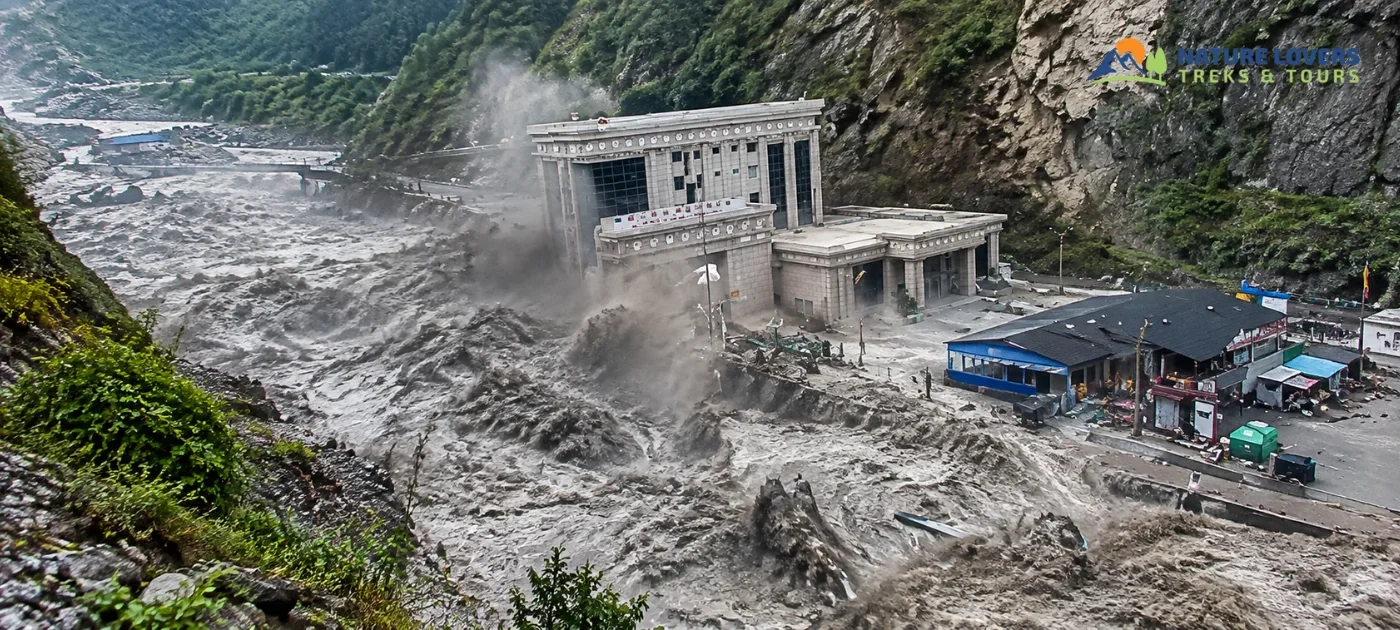
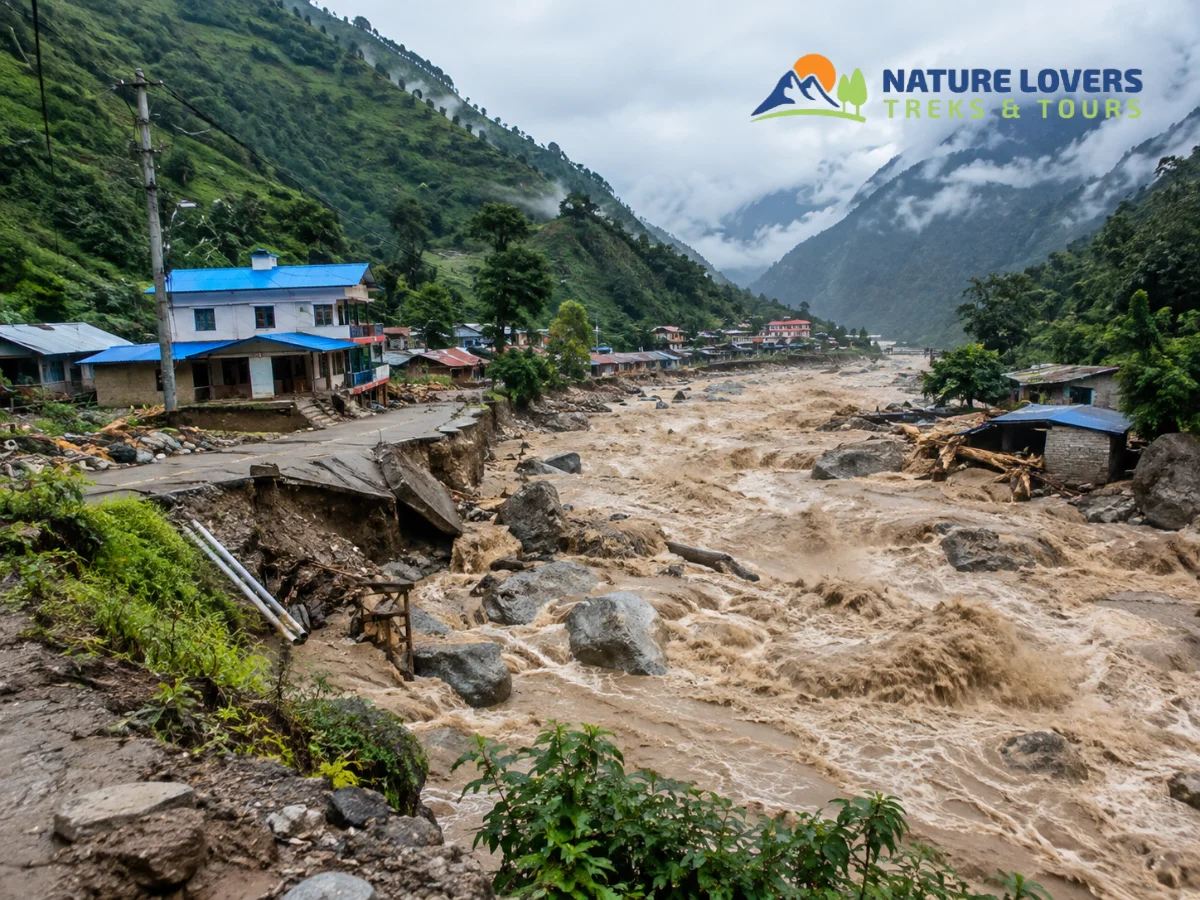
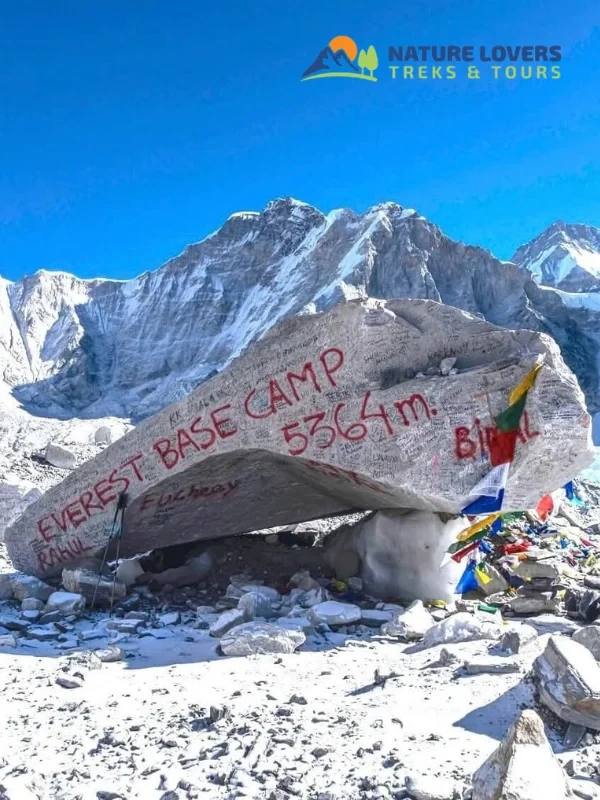
Unannounced floods and landslides on 26 August of 2026 have affected many trekking routes in Nepal. Routes from Bhote Koshi to Trishuli, such as Dhunche, Syabrubesi, Rasuwagadhi, and Timure, were mostly affected. The Langtang Valley and Gosaikunda are currently closed as of 8 October but may reopen soon. Everest Base Camp, a famous trekking route in Nepal, is outside the flood zone and safe for trekking right now.
Key Takeaway: Information is based on early October 2026 mountain weather and trail conditions and may change within a few days.
What happened in August 2026?
On August 26, an unannounced flash flood destroyed many houses and took hundreds of lives in Rasuwagadhi, Timure, Syafrubesi, and nearby areas. According to the analysts' team, a Himalayan glacier collapsed on the northern side of Langtang Lirung mountain, causing a massive flood. The roads, houses, electrical system, telephone lines, bridges, and all the surrounding infrastructure were washed out.
Are mountain roads still affected?
Yes, mountain roads in Nepal are still affected because of unannounced flash floods, landslides, and avalanches. According to a U.S. Embassy notice on September 8, Krishna Bhir on the Prithvi Highway and the area near Jumla faced unannounced landslides. Late September heavy rain washed out the Besisahar to Chame road.
Key Takeaway: The information shows trail conditions until 8 October, and it can be restored within days, so contact your agency for the latest information.
Why does road access matter, and can landslides follow heavy rain?
Many trekking routes in Nepal start with a long drive of around 5 to 10 hours from Kathmandu. Some roads are blocked or damaged by heavy landslides, mud, and fast floods.
The Nepal Tourism Board always uploads thelatest travel updates so trekkers can avoid damaged trails and inaccessible roads.
Key Takeaway: Always check the latest information regarding trails and road conditions before planning your journey.
What Are the Main Safety Risks When Trekking in Nepal?
The main safety risks when trekking in Nepal are the following:
- Acute mountain sickness and altitude illness.
- Landslides and rockfall on the roads.
- Flooding and washed-out bridges.
- Snow, ice, and avalanches on high passes.
- Hypothermia and dehydration.
- Glacial crevasses on peak routes.
- Exhaustion and sudden weather changes.
Key Takeaway: Most mountain hazards happen above 4,000 m.
Is the Weather Safe for Trekking in Nepal Right Now?
October is the post-monsoon period and offers the best mountain views, although storms still occur. The Department of Hydrology and Meteorology announced the possibility of heavy rainfall in isolated areas during September. Heavy snowfall can block access to high passes such as Thorong La and Larkya La Pass. Lukla flights are delayed depending on the mountain weather, so always check https://dhm.gov.np/ or call 1155 for any updates.
Is Altitude Sickness a Risk When Trekking in Nepal?
Yes, altitude sickness is a serious risk on high-altitude trekking in Nepal. If the symptoms are not treated at the right time, it can permanently damage your organs and can even be life-threatening. Trekkers will notice symptoms above 2,500 m, such as nausea, breathlessness, fatigue, dizziness, and headache. Trekkers should climb high, sleep low, and drink plenty of water, with proper acclimatization days to minimize the symptoms. Also, you can check the guide for altitude sickness on the Everest Camp Trek.
Is Helicopter Evacuation Available in Nepal?
Yes, helicopter evacuation is available in Nepal, but it depends on current mountain weather conditions. Dark clouds sometimes block the helicopter's view and prevent flying at higher altitudes. Mountain weather is unpredictable, so immediate rescue and evacuation from isolated locations are not always easy. So make sure to travel with a licensed local guide who can make quick decisions in difficult situations.
Do you need travel insurance for trekking in Nepal?
Yes, travel insurance for trekking in Nepal is required to apply for special permits for restricted areas. Trekkers will spend multiple days above 3,000 m and 4,000 m on rocky mountain trails. Check that your travel insurance covers your maximum altitude, helicopter evacuation, trip cancellation, weather delays, and medical costs.
Do you need a guide to trek in Nepal in 2026?
Yes, as of April 2023, foreign trekkers must hire a licensed guide through a registered trekking agency to apply for specific trail permits for trekking in Nepal. Previously, a minimum of two trekkers was required to access restricted-area permits. But from March 2026, solo trekkers can also apply for a restricted-area permit with the help of a licensed guide.
Is it safe to trek alone in Nepal in 2026?
Hiring a licensed guide is mandatory for trekking in Nepal, but fully independent trekking is not allowed on restricted and famous trekking routes. As altitude increases, the mobile network is very limited in remote villages, and weather conditions are unpredictable. So trekkers must hire a licensed guide for safety while walking on the rocky trails.
Nepal Trekking Safety Checklist for 2026
The trekking safety checklist for Nepal for 2026 is:
- Check the latest travel advisory.
- Check local weather.
- Confirm permits and your guide.
- Check insurance emergency evacuation and medical policies.
- Choose an itinerary with proper acclimatization.
- Carry emergency contacts.
- Keep a buffer day.
- Recheck the route and weather before departure.
Is October 2026 a good time to trek in Nepal?
Yes, October brings stable weather, clear skies, and busy trails, making it one of the best months for trekking in Nepal. Trekkers can enjoy Dashain and Tihar, famous festivals in Nepal. But remember, flights, hotels, mountain lodges, and teahouses are crowded in October.
Nepal Emergency and Tourist Safety Contacts
Police 100, Tourist Police 1144, Fire 101, Ambulance 102, and Flood Line 1155 are important Nepal emergency contacts for trekkers and travelers. Submit your emergency contact information to your guide or trekking agency in case of an emergency.
Final thoughts on: Is it safe to trek in Nepal right now in 2026?
Yes, Nepal is still open for trekking in 2026. The floods, landslides, and avalanches only affected certain areas in Nepal. So trekkers can check the official advisories, route conditions, weather, permits, and trail conditions before planning their high-altitude adventure in Nepal. The Everest Base Camp, Annapurna Base Camp, Gorepani Poonhill, and Manaslu Circuit Trek are not affected right now and are the safest options fortrekking in Nepal.