What Is Altitude Sickness on the Everest Base Camp Trek?
Altitude sickness on the Everest Base Camp Trek is your body's reaction to the sudden change in environment as you climb higher on rocky mountain trails of the Khumbu region. Acute mountain sickness (AMS) is not a fixed illness in high-altitude places. Mild symptoms can be noticed after crossing 2,500 m in altitude, such as headache, fatigue, and difficulty breathing. These symptoms are common in the mountains and can be treated with proper rest and the right walking pace.
What is Acute Mountain Sickness (AMS)?
Acute mountain sickness (AMS) refers to symptoms experienced while climbing a mountain before they can adjust to the new environment at higher altitudes. The first AMS symptoms, which hit at 2,500 m, are headache, nausea, fatigue, and dizziness within 6 to 12 hours.
Why Does Altitude Sickness Happen?
Altitude sickness occurs when the body's organs do not receive enough oxygen to function properly. The oxygen percentage (20.9%) stays the same in Kathmandu and Kala Pathar. But as the altitude increases, air pressure decreases, not the oxygen percentage. The low air pressure means less oxygen enters your body, causing AMS symptoms such as headache, nausea, dizziness, and breathlessness.
At What Altitude Can AMS Begin?
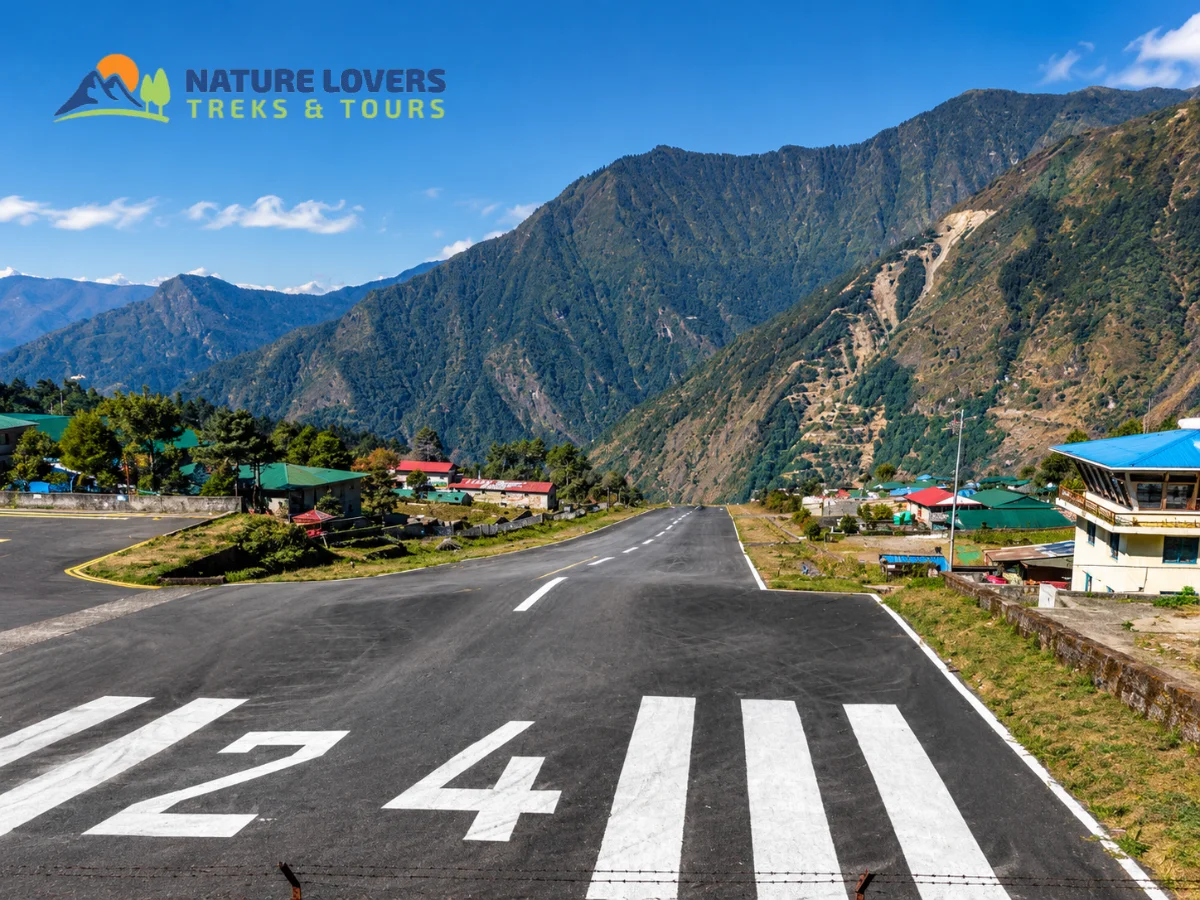
According to most medical guidance, acute mountain sickness (AMS) symptoms can be noticed around 2,500 m above sea level. But few trekkers can feel uncomfortable at Lukla (2,860 m) or Namche Bazaar (3,440 m) and notice common AMS symptoms such as difficulty breathing and headache.
Why Is Altitude Sickness a Risk on the EBC Trek?
Yes, altitude sickness on the Everest Base Camp Trek is the biggest threat for beginner trekkers. The trail does not require technical mountaineering skills, but the Everest Base Camp Trek difficulty is graded as moderate to strenuous because of the high altitude. Trekkers will spend most of the days above 2,500 meters in altitude. The highest point of the Everest Base Camp trek is Kala Pathar at 5,545 m above sea level, with no proper medical support.
How High Is the Everest Base Camp Trek?
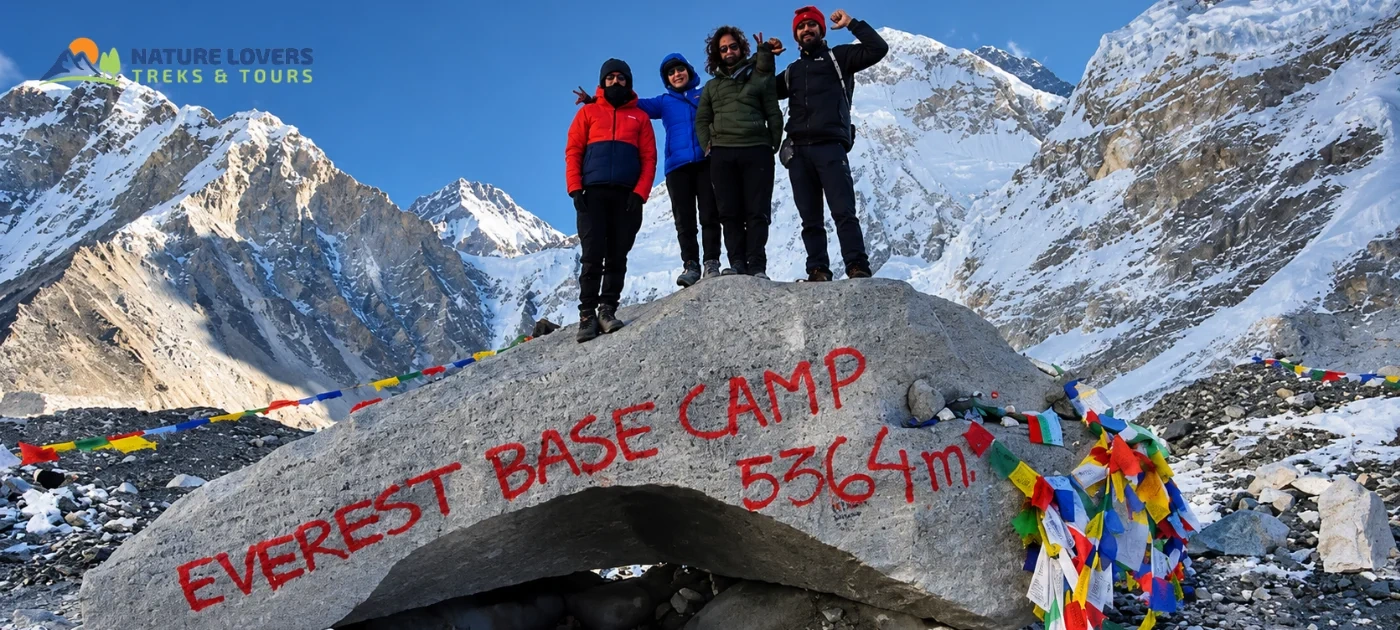
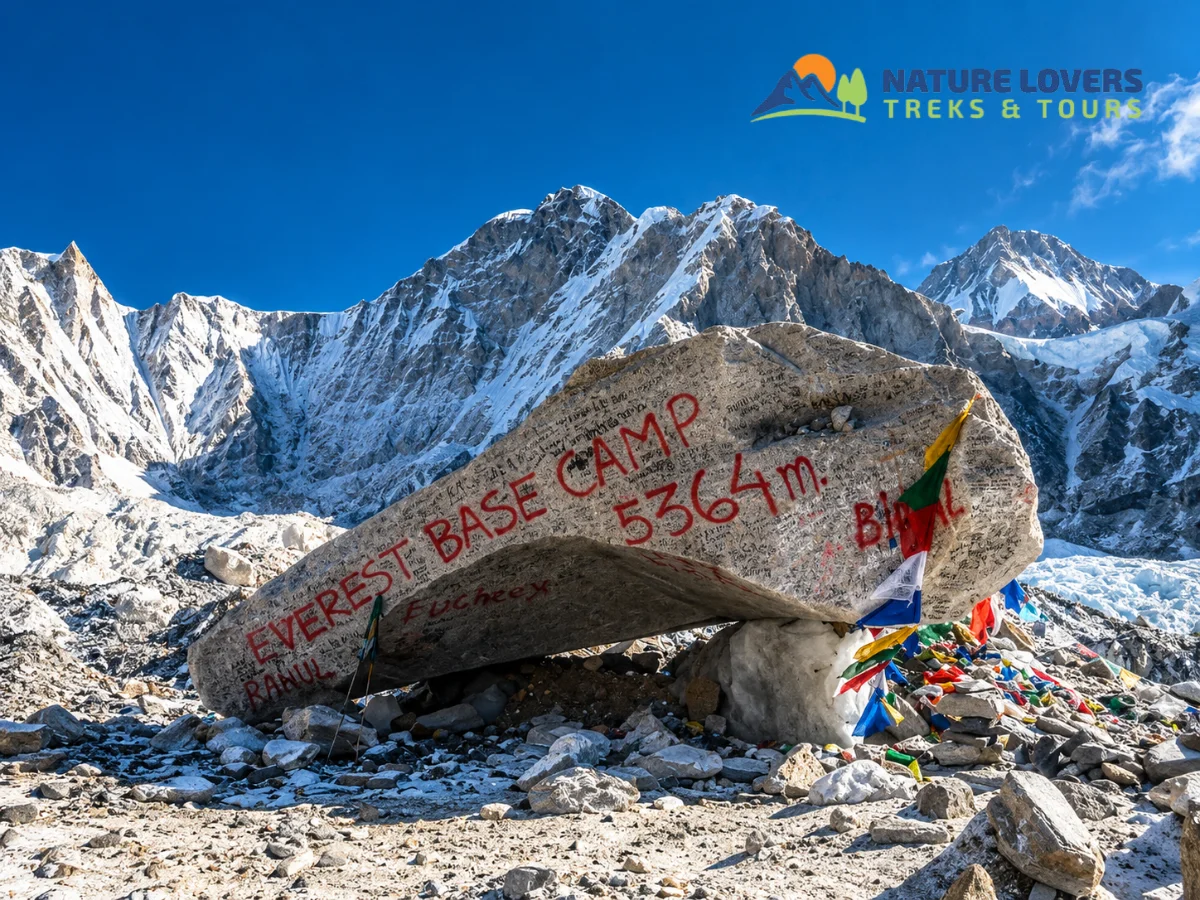
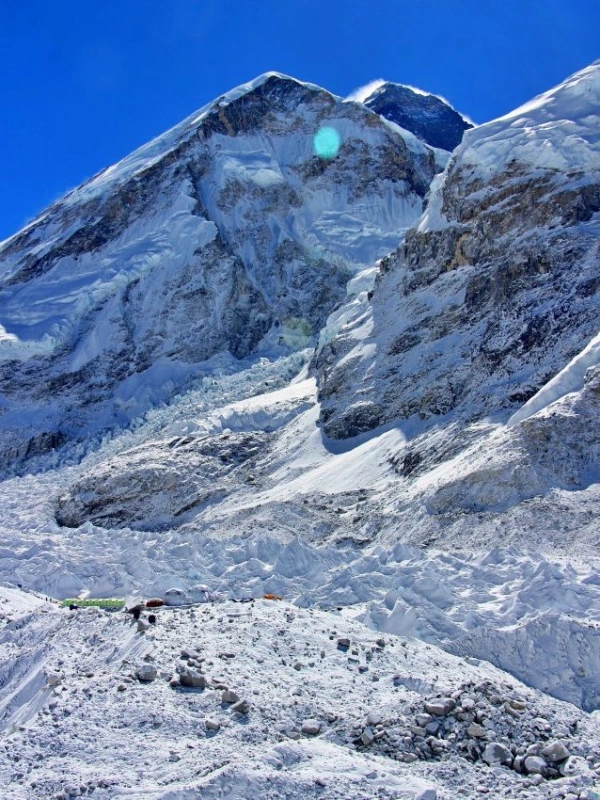
The 14-day EBC Trek starts in Lukla (2,860 m), goes to Everest Base Camp (5,364 m), and ends at Kala Patthar (5,545 m), the highest point of the journey. Trekkers will spend most of their days at 2,500 m above sea level. The table below shows the destinations and altitudes for the 14-day Everest Base Camp Trek.
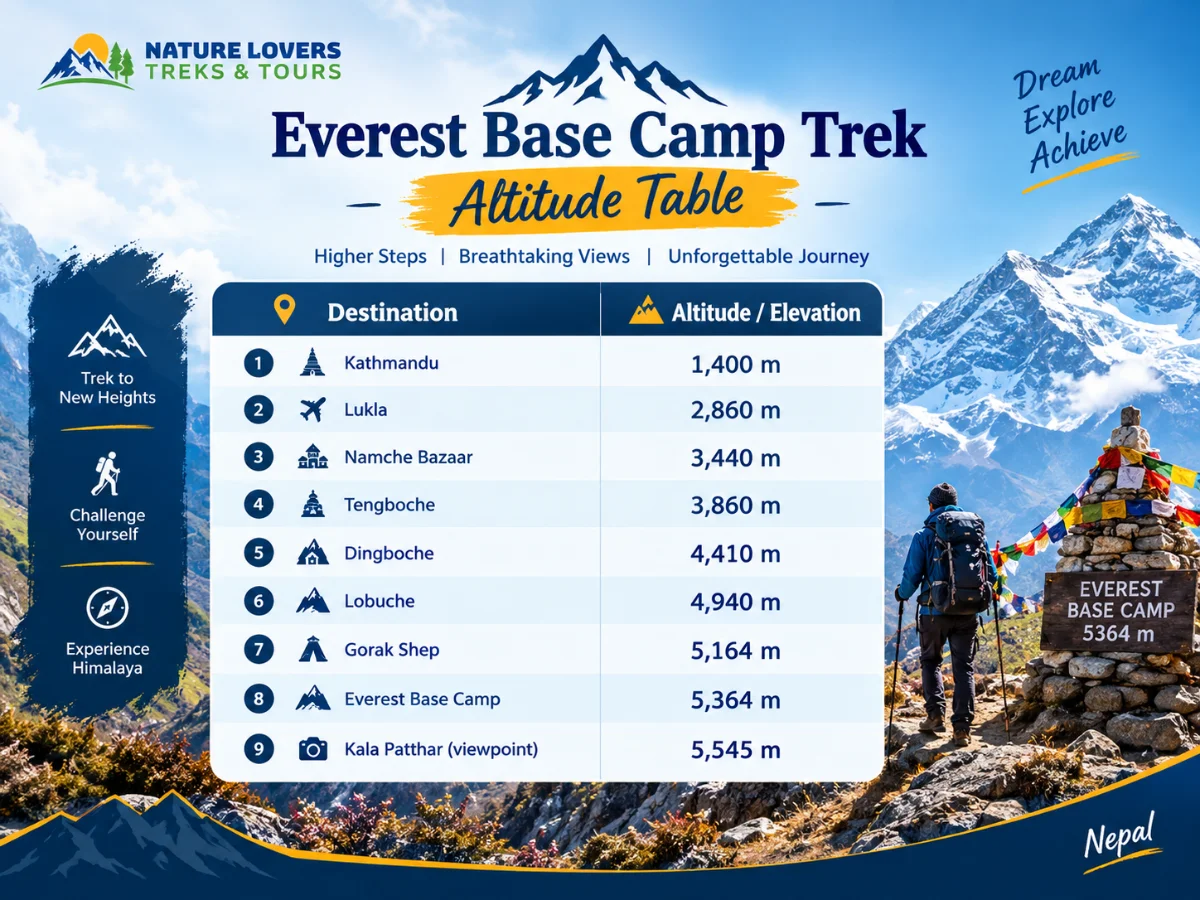
Key Takeaway: The 14-day itinerary includes two acclimatization (rest) days at Namche Bazaar and Dingboche, with a follow-up short hike to Everest View Hotel and Nagarkotshang Peak.
What Are the Symptoms of Altitude Sickness on the Everest Base Camp Trek?
The first symptoms of altitude sickness on the Everest Base Camp Trek are headache, nausea, loss of appetite, dizziness, fatigue, weakness, difficulty sleeping, and breathing difficulties. These symptoms can be noticed within 6 to 12 hours at higher elevations. Trekkers must follow their guide's instructions properly to avoid any serious injuries.
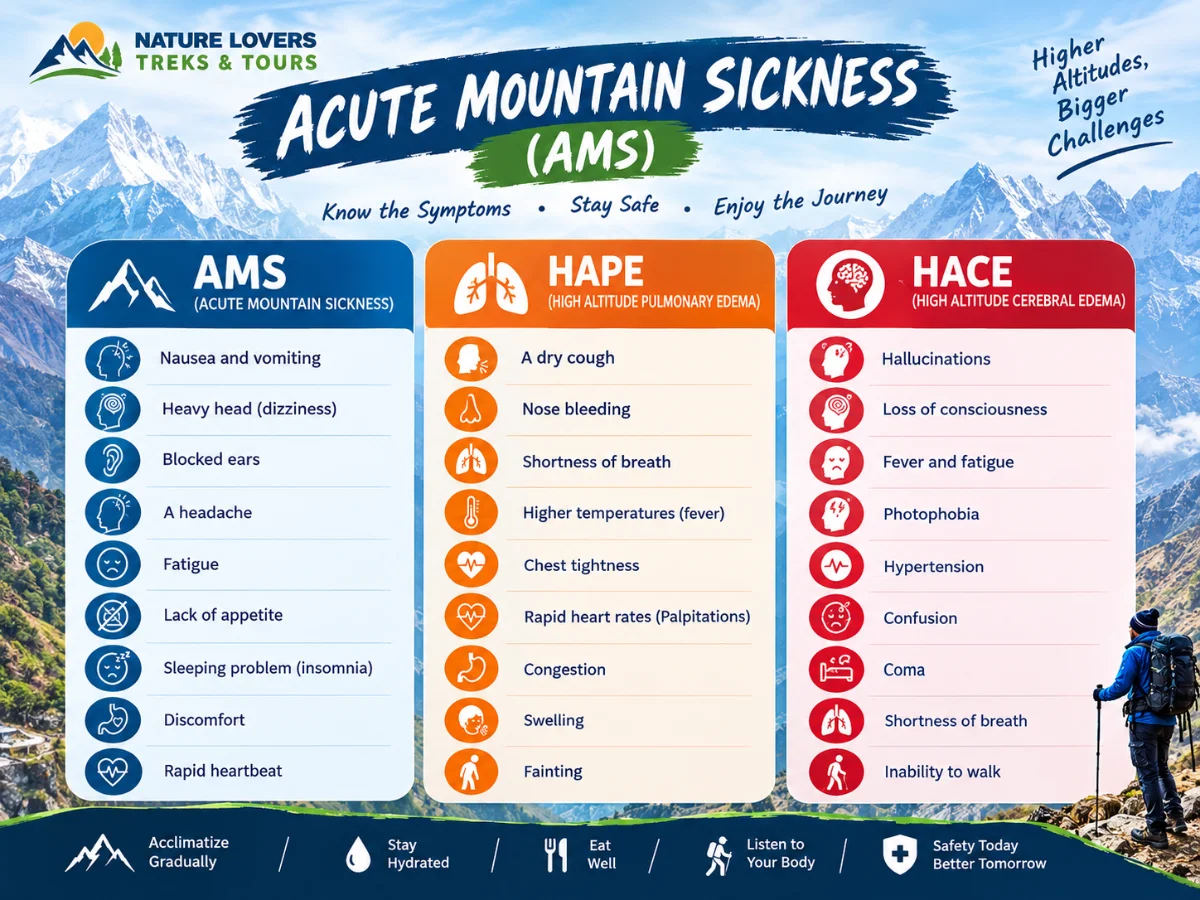
Headache
Headache is the most common AMS symptom trekkers will notice after crossing 2,500 m above sea level. Trekkers must stay hydrated, take small steps, and acclimatize properly to prevent common AMS symptoms. Remember, painkillers will not function properly if you are staying at the same or higher altitude.
Nausea and Loss of Appetite
As altitude increases, trekkers experience nausea and motion sickness, the second symptoms of altitude sickness on the Everest Base Camp trek. Loss of appetite and vomiting are serious issues at higher elevations. Trekkers avoid greasy, spicy, and very sweet foods for better recovery.
Dizziness
Dizziness and lightheadedness are common AMS symptoms on the Everest Base Camp Trek. Inform your guide for medical support, and dizziness severe enough to affect your footing is not a good sign.
Fatigue and Weakness
Trekkers will walk around 6 to 7 hours daily on the rocky trails of the Everest Base Camp Trek. But do not rush your itinerary, and walk slowly with short rests to reduce your fatigue at higher elevations.
Sleeping Difficulty
When you are above 2,500 m, it is normal to experience disturbed sleep even if you acclimatize well. This is due to changes in breathing, weather, and altitude, not because of altitude sickness on the Everest Base Camp Trek. So it is worth tracking, but it is not part of AMS scores.
Breathing Difficulty
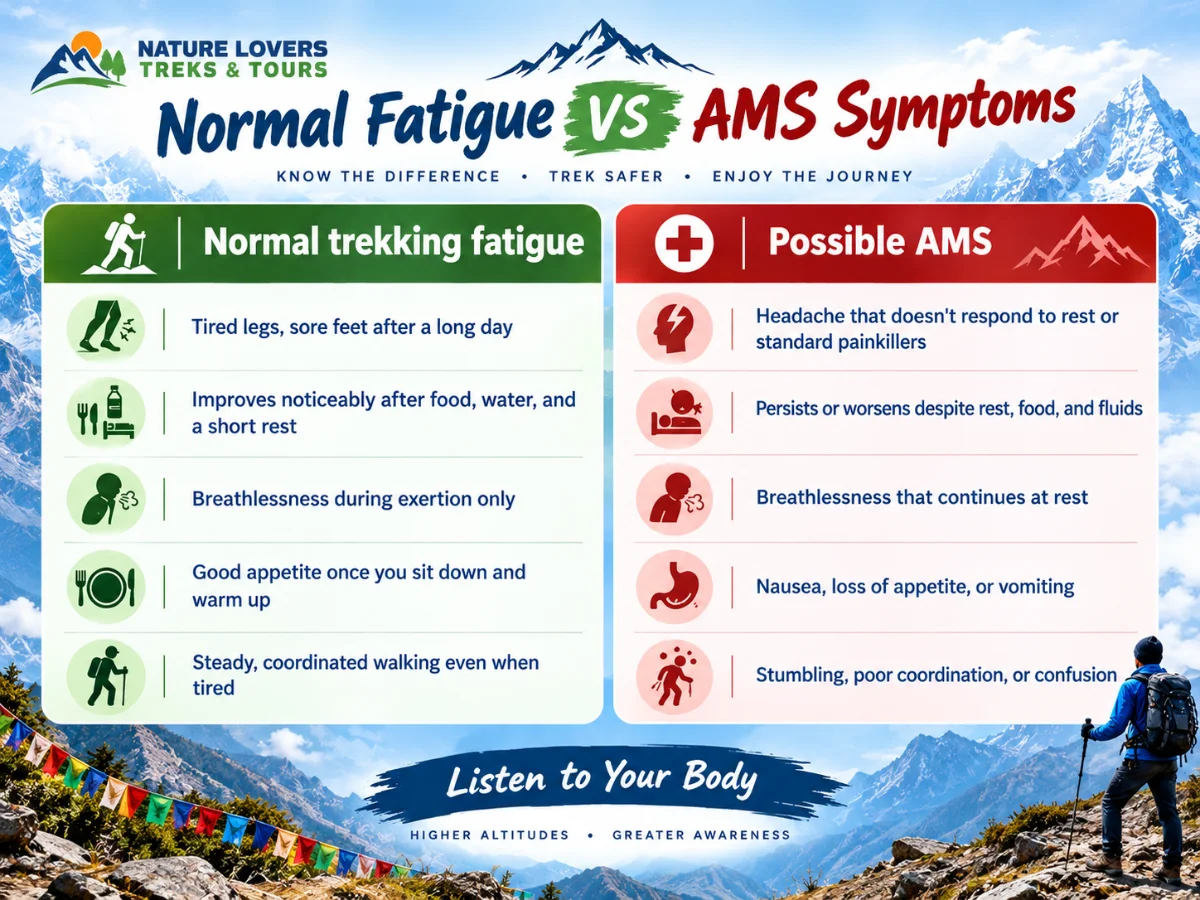
As altitude increases, atmospheric pressure decreases, so breathlessness is common at higher elevations. But it is serious when breathlessness does not ease with proper rest, so trekkers must inform their medical team and guide for immediate support.
When does altitude sickness on the Everest Base Camp Trek need immediate attention?
Hallucinations, confusion, a stumbling walk, vomiting, and breathlessness while sitting require immediate attention because they are warning signs of HACE or HAPE. Trekkers must seek immediate medical support and descend to a lower altitude to avoid any serious injuries.
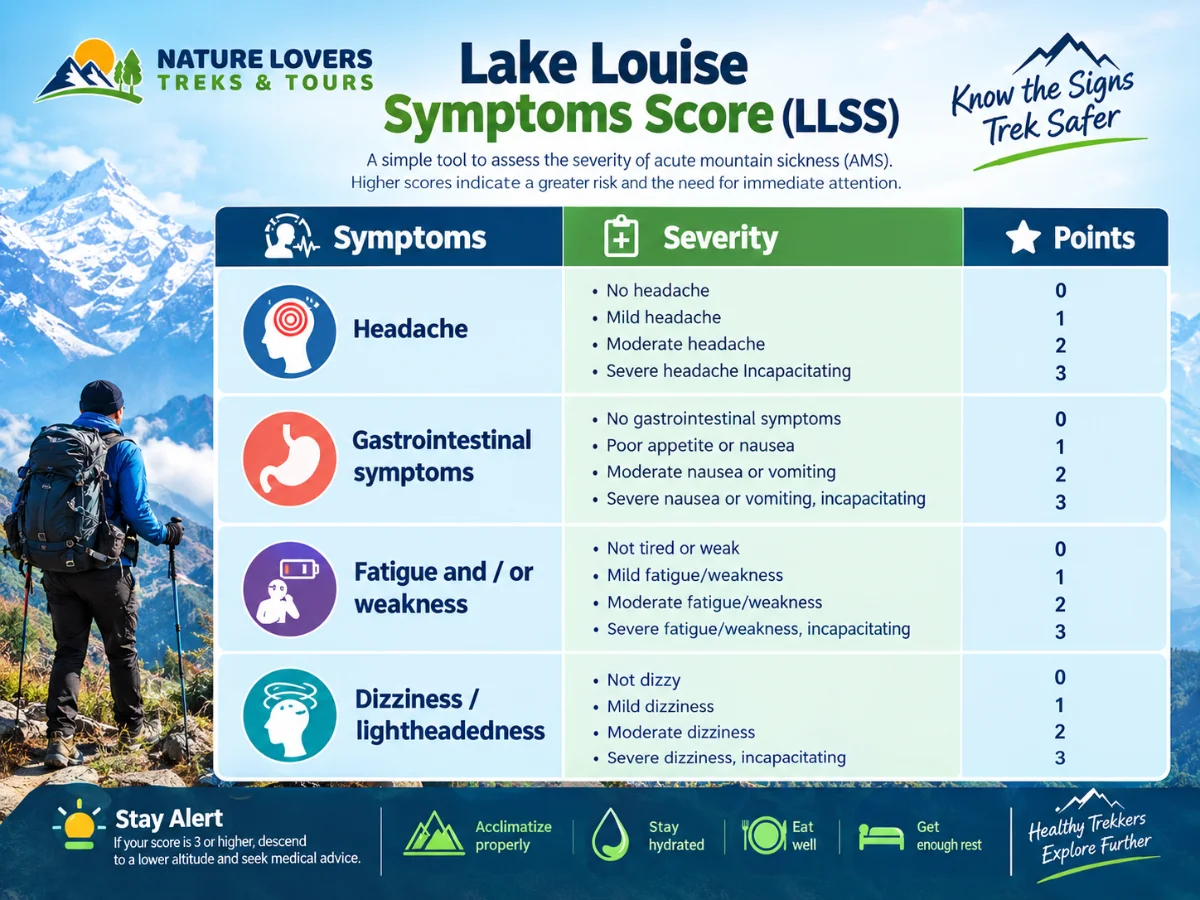
Key Takeaway: The AMS symptoms are measured using the 2018 Lake Louise Score.
How Serious Can Altitude Sickness Become?
According to the Centers for Disease Control and Prevention (CDC), high-altitude cerebral edema (HACE) and high-altitude pulmonary edema (HAPE) are the most serious altitude sickness conditions. Trekkers must seek immediate medical support and descend right away to a lower elevation.
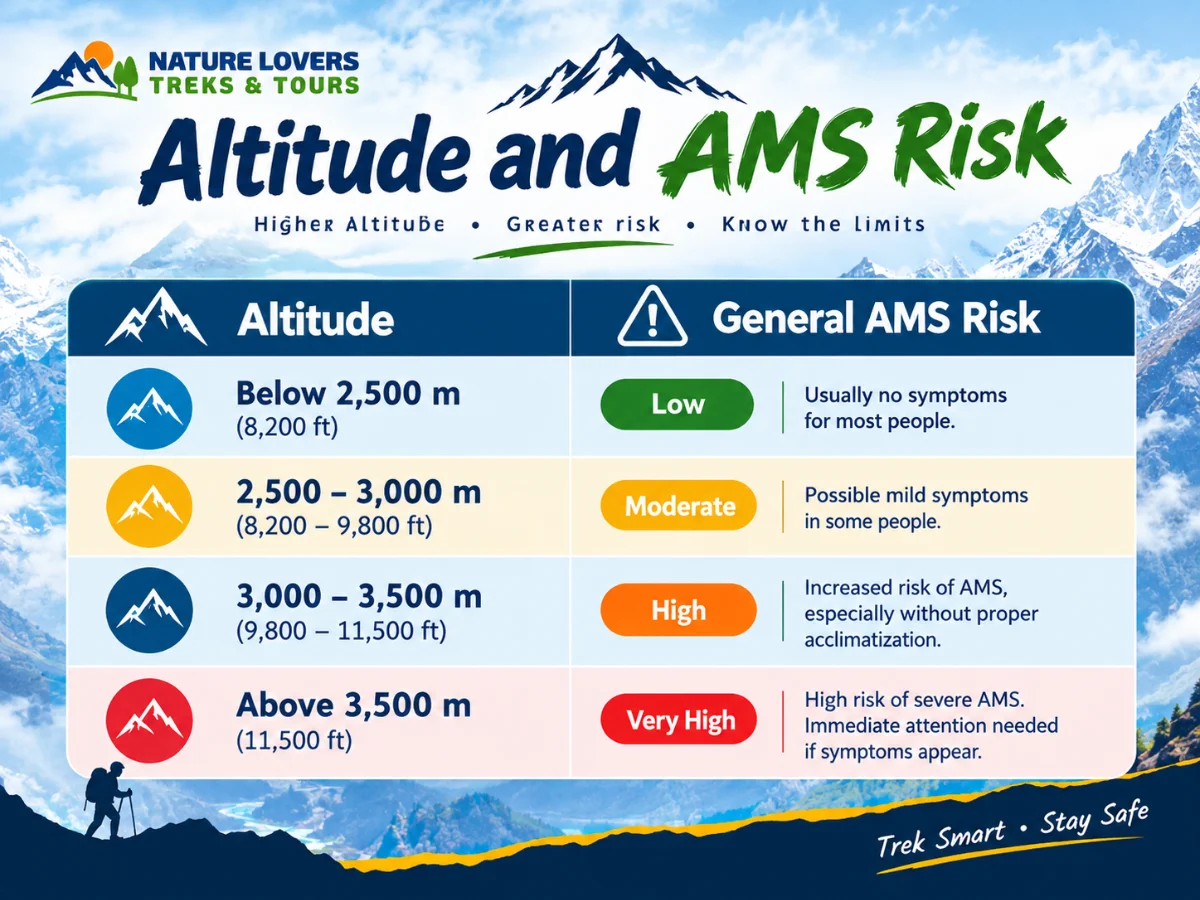
Mild Acute Mountain Sickness
Mild acute mountain sickness can be defined as headache, nausea, fatigue, and dizziness rated between 3 and 5 on the Lake Louise Score system. Trekkers may feel uncomfortable, but proper rest, hydration, and a slow ascent are important to recover quickly.
High Altitude Cerebral Edema (HACE)
HACE occurs due to prolonged lack of oxygen, which leads to the swelling of brain tissue. The loss of coordination, inability to walk in a straight line, and confusion are signs of HACE. Trekkers must descend to a lower altitude and seek immediate medical treatment.
High Altitude Pulmonary Edema (HAPE)
HAPE is fluid building up in the lungs rather than the brain, and it can occur with any previous AMS signs and symptoms. Trekkers must monitor for shortness of breath that does not get better with rest, a chronic cough, chest discomfort, and fatigue with slight physical activity.
What are the life-threatening warning signs of altitude sickness on the Everest Base Camp Trek?
Confusion, altered mental status, loss of coordination, breathlessness at rest, persistent cough, and hallucinations are the serious, life-threatening warning signs of altitude sickness on the Everest Base Camp Trek.
Key Takeaway: According to the Lake Louise Score System, 3-5 points are mild, 6-9 points are moderate, and 10-12 points are severe.
2018 Lake Louise AMS Score System
The Lake Louise AMS Score System asks four questions used by doctors and clinics affiliated with the Himalayan Rescue Association as a means to evaluate the severity of AMS. Please answer based on your current condition rather than how you felt earlier or how you think you should feel. The table below shows the scoring system of the 2018 Lake Louise.
Why Confusion, Loss of Coordination, and Breathlessness at Rest Matter
These three symptoms are important because they serve as the boundaries between “your body is having a hard time adapting" and "a certain organ is beginning to fail." Normal AMS is uncomfortable but does not make you dizzy while walking straight on a flat floor or leave you not able to breathe when sitting. In such cases, taking a stronger painkiller is not the right action. Trekkers must descend as quickly and safely with proper medical support.
How to Prevent Altitude Sickness on the Everest Base Camp Trek?
To prevent altitude sickness on the Everest Base Camp Trek, trekkers must follow the “climb high, sleep low” method. Do not skip acclimatization days, ascend gradually, avoid rapid altitude gain, stay hydrated, and avoid alcohol during their high-altitude adventure.
Ascend Gradually
The guidance issued by the Centers for Disease Control and Prevention states clearly that traveling straight from a low elevation to sleeping at a height of over 2,750 m must be avoided. If you fly into Lukla (2,860 m), you are effectively crossing that limit right at the onset of your journey.
Follow a Proper Acclimatization Schedule
Once trekkers cross 2,750 m above sea level, CDC guidance recommends gaining no more than 500 m in altitude every day. The 14-day Everest Base Camp itinerariesmust include two acclimatization days at Namche Bazaar and Dingboche.
Avoid rapid gain in sleeping altitude
Trekkers must follow a “climb high and sleep low” approach for high-altitude trekking and climbing adventures. Your sleep location is more important than the elevation reached by the end of the day. Trekkers climb high to enjoy beautiful mountain views, and descending to a lower altitude allows your body to acclimatize properly.
Stay hydrated and avoid alcohol
Trekkers must drink 3 to 4 liters of water daily because altitude increases fluid loss through faster breathing and dry mountain air. Trekkers must avoid alcohol at high altitude because it disrupts sleep above 3,500 m and also dehydrates your body.
Listen to Your Body
This is the most basic rule and is also the one that is frequently disregarded. If you are uncomfortable, let your guide and medical team know about your difficulties rather than keeping them to yourself.
Everest Base Camp Trek Acclimatization Guide
Acclimatization is the most important part of every Everest Base Camp Trek itinerary. Most itineraries include two acclimatization days in Namche Bazaar and Dingboche/Pheriche, ideal for beginners and intermediate trekkers.
Acclimatization in Namche Bazaar
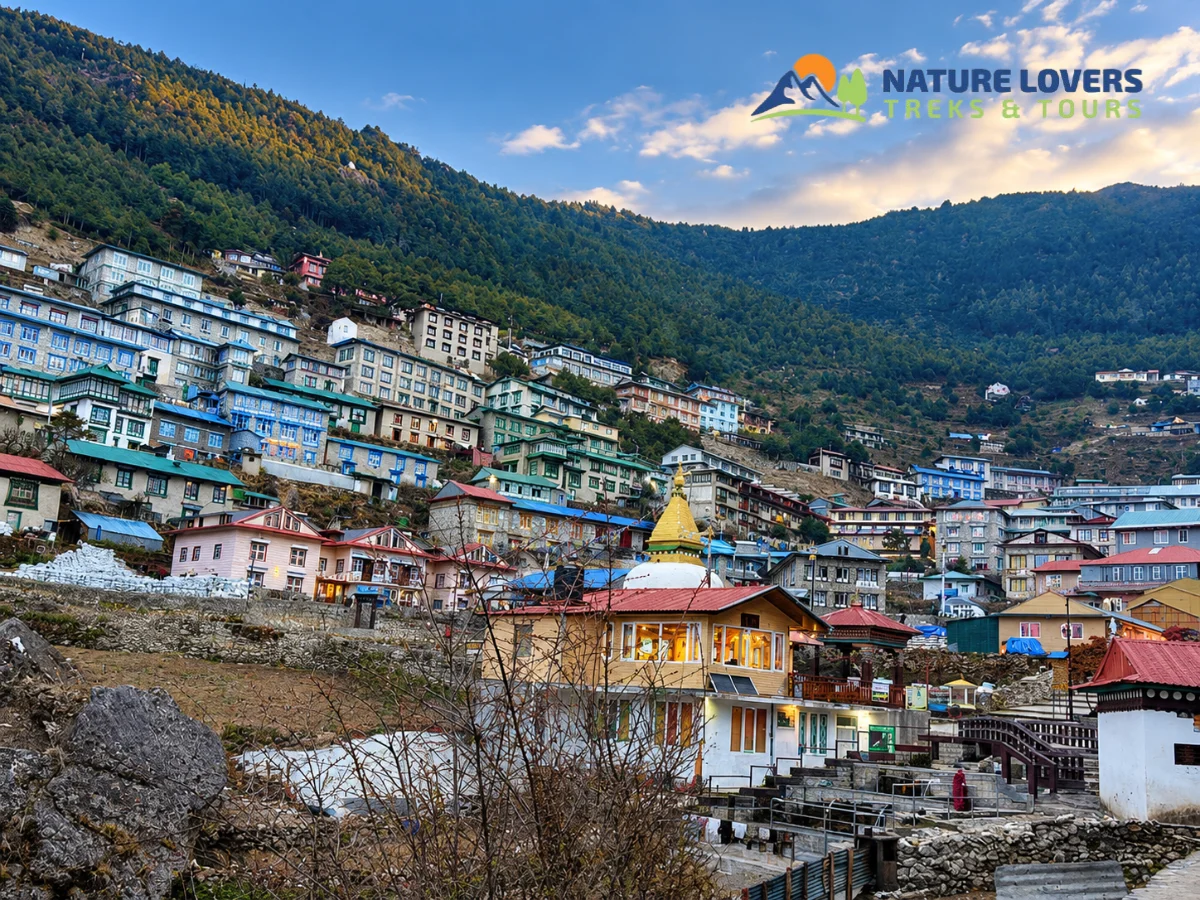
Namche Bazaar is located at 3,440 m above sea level and is also the first rest day of the 14-day Everest Base Camp Trek. Trekkers will join a short hike to the Everest View Hotel at 3,880 m above sea level and descend back to Namche Bazaar. That is “climb high, sleep low” in practice.
Acclimatization in Dingboche or Pheriche
The second and final rest day of the 14-day Everest Base Camp Trek itinerary is at Dingboche (4,410 m) or Pheriche (4,240 m). Trekkers will join a short hike to Nagarjun Hill above 5,000 m and descend to Dingboche or Pheriche.
Why Should Rest Days Not Be Skipped?
Beginners and intermediate trekkers should never skip rest days because it does not remove a day of walking. The distance still needs to be covered at some point. But rest days offer the time your body needs to adjust to new altitude, weather, and temperature before the next altitude gain.
Key Takeaway: Avoid rushing 10-day and 11-day itineraries for the Everest Base Camp Trek without proper acclimatization days.
The “Climb High Sleep Low” Approach
The most successful adaptation strategy used while climbing mountains involves climbing up a few hundred meters on one day only to descend to sleep at a lower altitude. The daytime exposure to altitude triggers the process of acclimatization, while sleeping at a lower altitude allows for physical adaptation during the night.
What Should You Do If You Get Altitude Sickness on the Everest Base Camp Trek?
If you develop AMS symptoms, notify your guide immediately, stop ascending, and evaluate your current condition. If symptoms worsen, descend immediately. Confusion, incoordination, or breathing difficulties while at rest are dangerous and require immediate descent with medical support.
Stop Ascending
Avoid ascending to greater heights on that day regardless of what the team strategy says. This is the only step that you can take. Everything that follows relates to how you can handle the consequences of the step you take now.
Rest and Monitor Your Symptoms
Relax in a comfortable position and pay attention to your feelings during the next hour or two instead of hoping that they will fade away. If necessary, you may want to repeat the Lake Louise rating listed above.
Inform Your Guide Immediately
There is no need to wait for symptoms to become serious or worsen. Do not overlook the sudden changes and difficulties at higher altitudes. Guides who have traveled this route have witnessed AMS more than you have, and early detection is the key to keeping it mild.
Descend If Symptoms Worsen
If your symptoms remain unchanged or improve after a day off, you may want to spend one more night at that altitude. However, if your symptoms are worsening or you notice symptoms of HACE or HAPE, it is best to go down a few hundred meters for fast recovery.
Seek Medical Assistance
Head for the nearest aid post or trained medical staff for immediate medical assistance. Do not rely on guesswork once symptoms move past mild.
When Emergency Evacuation May Be Required
If you notice any signs of HACE or HAPE, or if the symptoms of AMS fail to improve, you should call for an emergency helicopter evacuation with the proper medical assistance.
Should You Continue Trekking With Mild AMS Symptoms?
No, trekkers must inform their guide and medical team to avoid any serious injuries on the way to Everest Base Camp.
Why Mild Symptoms Should Not Be Ignored
Trekkers can ignore a mild headache and climb another 500 m past. That is how mild AMS turns into something worse. The symptom itself is not the danger, but continuing to ascend while it's present is.
When You Should Stay at the Same Altitude
If your Lake Louise score is in the mild range (3–5) and isn't climbing, the standard, sensible response is to stay at your current altitude for an extra night rather than pushing higher or turning around immediately. Most mild AMS resolves within 24 to 48 hours of no further ascent.
Why Worsening Symptoms Mean You Should Descend
A rising score, a symptom that wasn't there yesterday, or any HACE/HAPE warning sign changes the calculus entirely. At that point, "wait and see" stops being a reasonable strategy, and descent becomes the answer, regardless of how the itinerary is scheduled.
The Danger of "Pushing Through"
Trekking culture sometimes treats discomfort as something to grind through, and for sore legs or a long day, that's fine. AMS is different: it's a physiological signal, not a motivation problem, and "pushing through" a worsening headache at 4,900 m has ended trips and occasionally lives that a rest day would have saved.
Emergency Helicopter for Altitude Sickness on the Everest Base Camp Trek
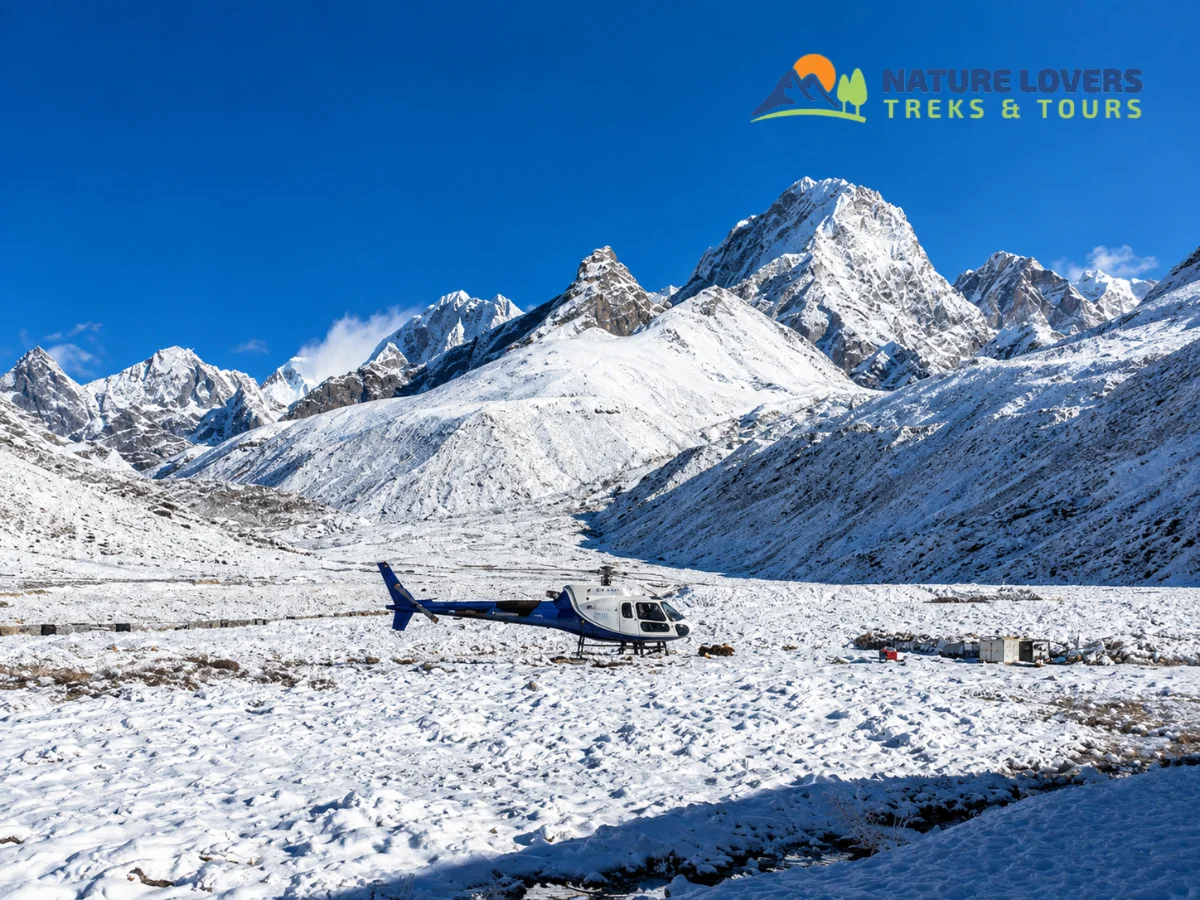
Emergency helicopter evacuation is important on the EBC Trek when the symptoms worsen and trekkers develop HACE/HAPE. Trekkers must stop ascending and descend to a lower altitude for medical support.
When Evacuation May Be Needed
Any HACE or HAPE warning sign, an AMS case not improving with descent, injury, or another emergency too remote to walk out from. Your guide and agency typically decide when a helicopter is genuinely warranted versus when walking down is safer and faster.
Why Travel Insurance Matters
Rescue operators commonly require confirmation of insurance, or a payment guarantee, before lifting off for a non-life-threatening case. Evacuation from the EBC route typically costs several thousand US dollars without coverage. See our guide to travel insurance for trekking in Nepal for how to check a policy properly.
What Your Insurance Policy Should Cover
Look for explicit helicopter evacuation coverage (not generic "emergency medical"), an altitude limit at or above 6,000m, and named coverage for AMS, HACE, and HAPE. Trekkers wanting
evacuation built into the plan itself sometimes choose the EBC trek with helicopter return.
Why Evacuation Should Not Replace Proper Acclimatization
Knowing a helicopter is available isn't a substitute for pacing your ascent correctly. Evacuations are for situations that have already gone wrong; this guide exists to help you avoid needing one.
Does travel insurance cover helicopter evacuation?
Only if the policy explicitly says so. Many standard travel insurance policies exclude high-altitude activity above 3,000–4,000m entirely, which covers almost none of the EBC trek. Confirm your policy names helicopter evacuation specifically and covers at least 6,000m before you fly to Lukla.
Final Thoughts on Altitude Sickness on the Everest Base Camp Trek
Altitude sickness on the Everest Base Camp trek is one of the most dangerous diseases if not treated properly. But preventing AMS symptoms on this trek is not that difficult. Trekkers should not rush their steps, take proper acclimatization, not choose short itineraries, eat high-protein food, stay hydrated, and sleep low to prevent altitude sickness. If you see that your symptoms are getting worse, then it's time to descend and get medical attention as soon as possible. There are many other options, such as theEverest Base Camp Trek with helicopter returnfor an easy high-altitude adventure in the Everest region.
FAQs for Altitude Sickness on the Everest Base Camp Trek
Can you get altitude sickness at Everest Base Camp?
Yes. Base Camp sits at 5,364 m, well above the roughly 2,500 m threshold where AMS can begin. The risk is real for every trekker, regardless of fitness, which is why the standard itinerary builds in acclimatization days.
How high is Everest Base Camp?
Approximately 5,364 m (17,598 ft). The trek's actual high point is Kala Patthar, a side trip reaching about 5,545m for closer views of Everest.
At what altitude does AMS start?
Around 2,500m for most people, though sensitive individuals notice symptoms slightly lower. Lukla, the trek's starting point, is already at 2,860m.
What are the first symptoms of altitude sickness?
A headache, usually joined by nausea, loss of appetite, fatigue, or dizziness within 6–12 hours of reaching a new altitude. It feels like a bad hangover, not a dramatic collapse.
How long does altitude sickness last?
Mild AMS typically resolves within 24–48 hours if you stop ascending and rest. Symptoms that persist past 48 hours, or worsen at any point, call for descent instead.
Can you recover from AMS without descending?
Often, for mild cases, resting a day at the same altitude is usually enough. Moderate-to-severe AMS, and any HACE or HAPE warning sign, needs descent instead.
When should you descend because of AMS?
If symptoms worsen despite rest, haven't improved after 24–48 hours, or if confusion, poor coordination, or breathlessness at rest appears, don't wait for morning.
Does Diamox (acetazolamide) prevent AMS?
It can reduce risk and speed acclimatization, per CDC guidance, but it supplements gradual ascent rather than replacing it. Whether it's right for you is a question for a doctor.
Can fit people get altitude sickness?
Yes. Fitness helps you cover the trail's distance and elevation gain, but it has no reliable link to how fast your body acclimatizes. Fit and unfit trekkers face similar AMS risk.
How many acclimatization days do you need for EBC?
Standard 12–14 day itineraries build in two, at Namche Bazaar and Dingboche. First-timers, or anyone with an AMS history, often benefit from a third on a slower itinerary.
Why is Namche Bazaar important for acclimatization?
At 3,440 m, it's the first point where the body genuinely needs extra adjustment time, and where most itineraries place their first rest day, often with a hike up to 3,880 m.
What is the hardest part of the Everest Base Camp Trek?
The Gorak Shep-to-Kala Patthar stretch: extreme elevation over 5,500 m, pre-dawn cold, and a long walking day make it the most demanding section.
Is altitude sickness common on the EBC trek?
Mild AMS is common: research suggests roughly a fifth to a third of trekkers experience symptoms above 3,000–3,500m. Severe HACE or HAPE is far less common.
Does travel insurance cover helicopter evacuation for AMS?
Only if your policy explicitly names helicopter evacuation and covers your route's actual altitude. Many standard policies exclude activity above 3,000 to 4,000 m entirely.