How difficult is the Everest Base Camp Trek?
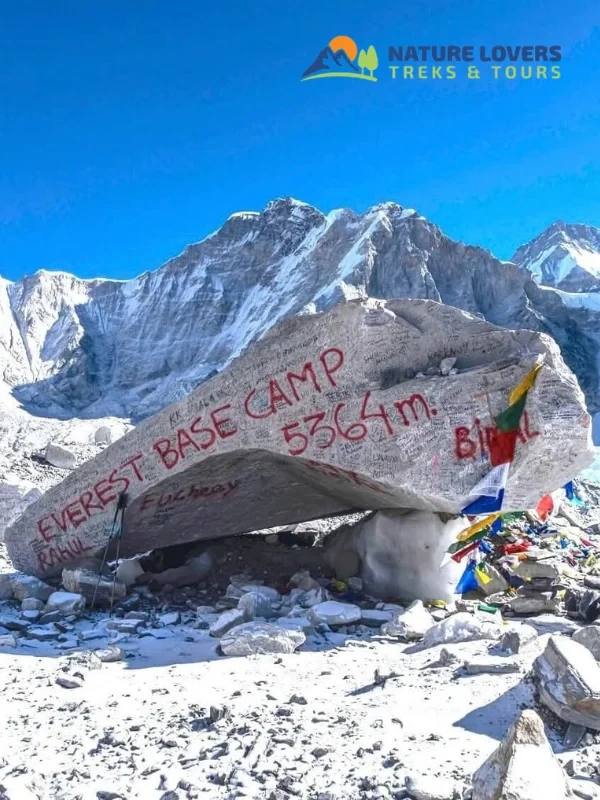
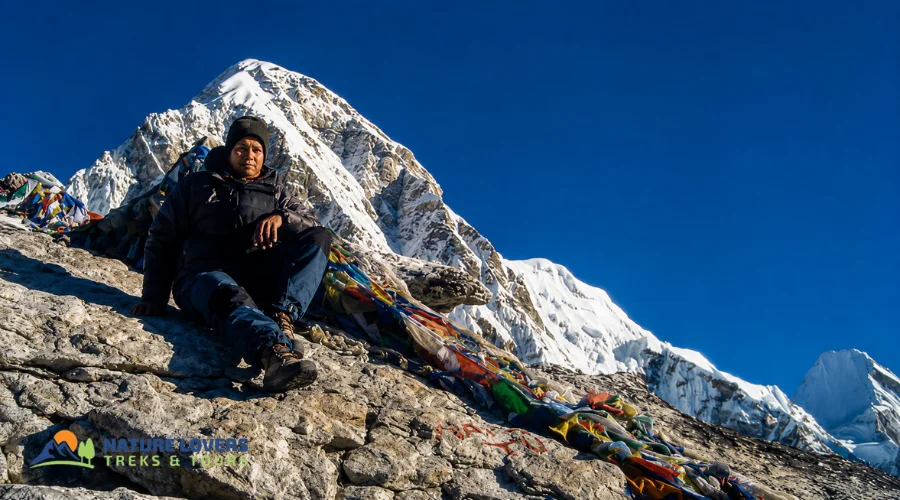
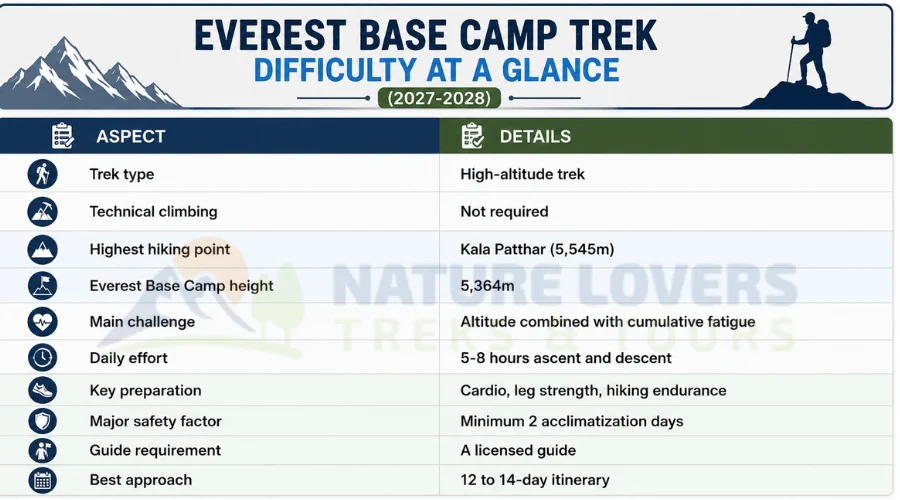
The Everest Base Camp Trek difficulty is moderate to strenuous. The trails are challenging, but trekkers do not need technical climbing skills. The EBC trek difficulty includes long walking hours, high altitude, weather, and rocky trails. Kala Patthar is located at an altitude of 5,545 m above sea level, the highest point of the entire 14-day EBC trek.
Is the Everest Base Camp Trek Moderately or Highly Difficult?
Every high-altitude adventurousroute's difficulty is graded on a five-tier scale (easy, moderate, demanding, strenuous, extreme) by trekking agencies. Many companies promote the 14-day Everest Base Camp Trek difficulty as the demanding tier. It is the same as the Annapurna Base Camp and the Langtang Valley Trek. But because of long walking hours, weather, altitude, and rocky trails, we can consider the EBC trek strenuous. It is the same as the Manaslu Circuit and theAnnapurna Circuit trek.
Is Everest Base Camp Harder than it Looks?
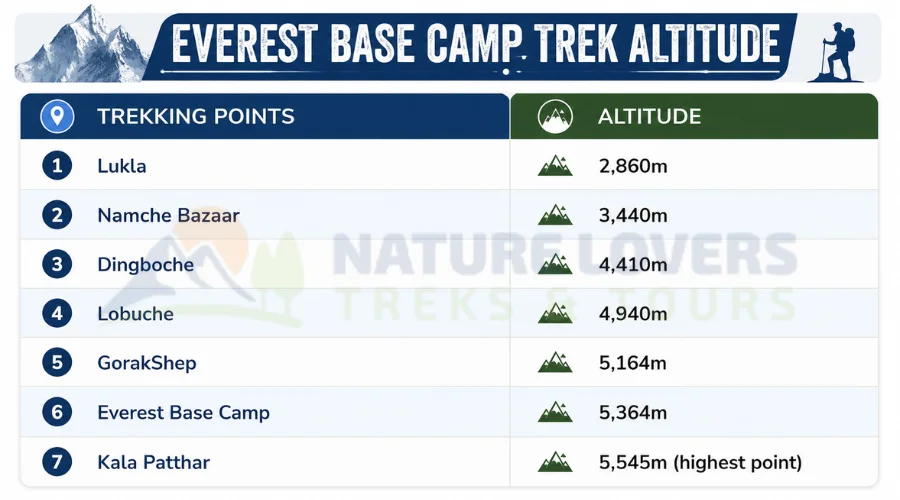
Yes, for beginners with no multi-day high-altitude trekking experience, the Everest Base Camp trek is harder than it looks. The trails do not demand climbing skills, but the long walking days, high altitude, and cold temperatures make the entire adventure difficult. The Lukla airport is located at an altitude of 2,860 m above sea level. Then trekkers will spend multiple nightsat altitudes of 4,000 m. Without a proper guide and acclimatization, many trekkers suffer from acute mountain sickness.
What makes the Everest Base Camp Trek difficult?
The high altitude, low oxygen, cold, unpredictable weather, long walking days, and rocky trails increase the difficulty of the Everest Base Camp Trek. You will notice fewer facilities and medical services in emergencies due to the Khumbu region's remoteness.
Why is the Everest Base Camp Trek Difficult?
The Everest Base Camp Trek is difficult because of high altitude, long walking days, cold temperatures, thin air, unpredictable weather, rocky trails, and remoteness. Trekkers will spend multiple days at low-oxygen places with a high risk for acute mountain sickness.
High Altitude and Thin Air
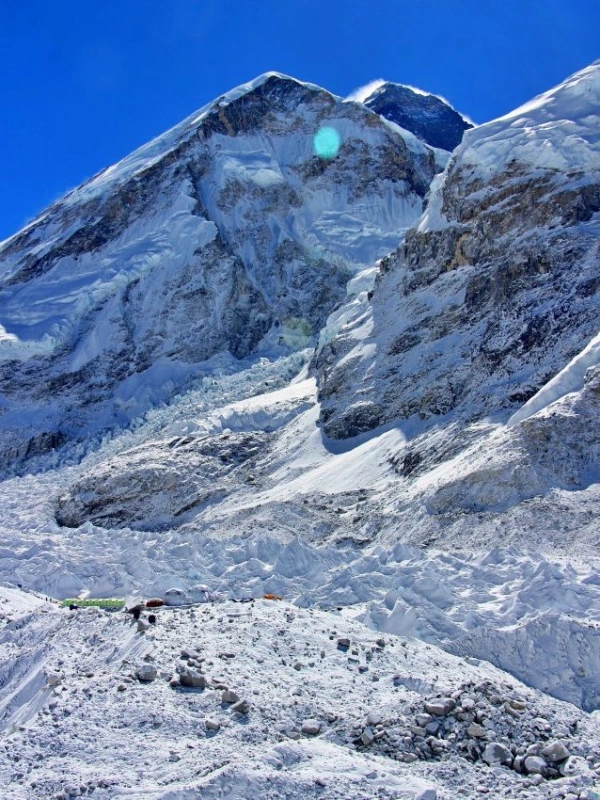
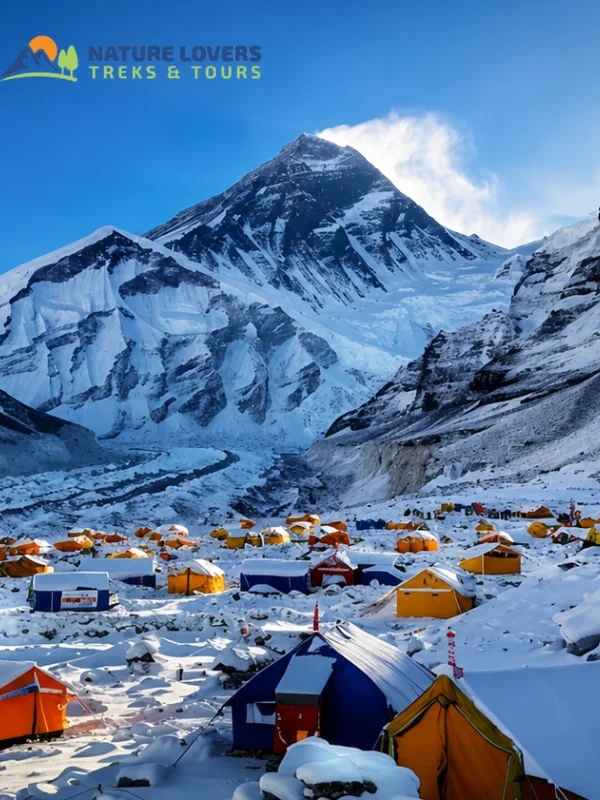
The Everest Base Camp is located at 5,364 m above sea level, and Kala Patthar (5,545 m) is the highest point of the entire trek. As altitude increases, air pressure decreases, causing breathing difficulties and low oxygen levels. The human body needs a proper supply of oxygen to function properly. Trekkersneed time to adjust to the new environment, and altitude increases the high risk of acute mountain sickness.
Long Daily Walking Hours
Trekkers have to spend 5 to 7 hours daily. The longest day of the entire trek includes around 7 to 8 hours of walking from Lobuche to Everest Base Camp and back to Gorakshep. Walking long distances for two consecutive weeks combined with high altitude can be difficult for beginners. So trekkers must train their leg muscles for long daily walking hours during the Everest Base Camp trek.
Rocky, Uneven and Rugged Trails
Trekkers have to ascend and descend for 12 to 14 days. Trekkers have to walk rocky, uneven, and rugged trails, which adds stress on knees and lungs. Walking rough trails combined with high altitude and long daily walking hours can make even experienced trekkers give up midway.
Cold Temperature and Unstable Weather
Even in the spring and autumn, as altitude increases, nights at Gorakshep and Base Camp temperatures drop to -15°C to -25°C. In winter, the trails are covered with a thick layer of snow, and the monsoon brings unstable weather. So make sure to pack warmclothes, gear, and equipment for the season you are traveling.
Remote Mountain Environment
There are no roads for vehicles above Lukla, and tea houses have limited facilities and resources. Altitude sickness on the Everest Base Camp trek is common, but emergency evacuation depends on porters, yaks, and helicopters. The human body needs a continuous supply of oxygen for organs to function properly. Unstable weather creates obstacles during rescue with limited medical facilities.
Everest Base Camp Trek Altitude and Difficulty
Altitude is the biggest obstacle of your entire Everest Base Camp trek adventure. Human organs need a proper supply of oxygen to function properly. But as altitude increases, atmospheric pressure decreases, making breathing difficult. So it is important to understand altitude before starting your Everest Base Camp journey.
Why does altitude make the trek harder?
As trekkers cross altitudes of 3,000 m above sea level, they will notice significant changes in their bodies and breathing difficulty. Even when resting, trekkers will experience breathlessness, fatigue, headache, low appetite, and increased heart rate, which make the Everest Base Camp trek difficult. If the symptoms of acute mountain sickness are not treated in time, it can permanently damage your body parts and organs, which can be life-threatening.
Everest Base Camp Trek Walking Hours
Trekkers have to ascend and descend, walking 5 to 7 hours daily for two weeks. The rocky, uneven, and rough trails make the entire journey more challenging, combined with high altitude. Trekkers will cover a distance of 10 to 15 km, exploring the Sherpa villages, rhododendron forests, monasteries, temples, rivers, and religious sites of the Everest region.
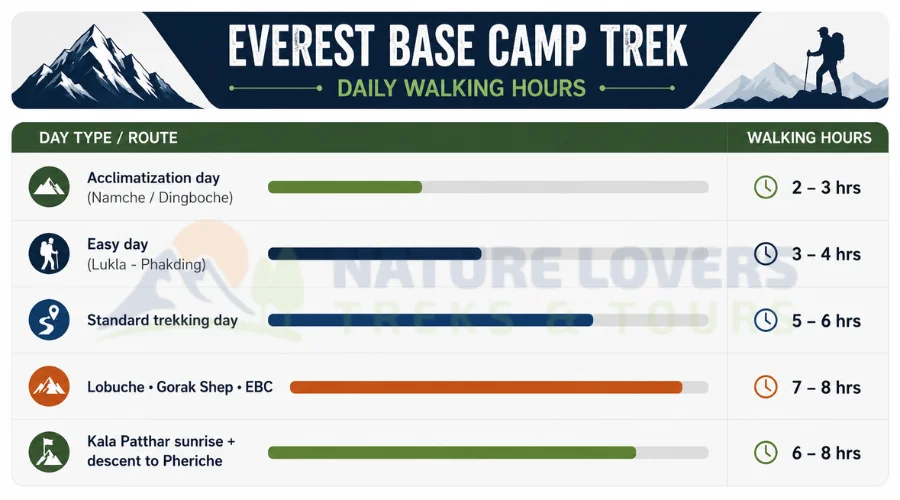
Normally, a 14-day Everest Base Camp Trekitinerary includes two acclimatization days at Namche and Dingboche. Trekkeres will join a short 2-3 hour hike during these days. The easytrekking days have shorter walking distances, and on difficult days trekkers have to walk around 6 to 8 hours. Kala Patthar is the highest point of the Everest Base Camp Trek, located at an altitude of 5,545 m above sea level. The hike starts around 4 to 5 am to enjoy the breathtaking sunrise view of snow-capped mountains.
Key Takeaway: The Nepal Tourism Board's trekking guidance for the Everest Base Camp Trek recommends acclimatization around Namche before continuing to ascend higher.
Is Everest Base Camp Trek Suitable for Beginners?
Yes, many physically fit beginnerswith no trekking experience have completed the entire Everest Base Camp Trek. The Everest Base Camp Trek difficulty is considered moderate to strenuous, but with a proper guide, acclimatization, an itinerary, patience, and pacing, even beginners can overcome high-altitude challenges.
What Fitness Level Does a Beginner Need?
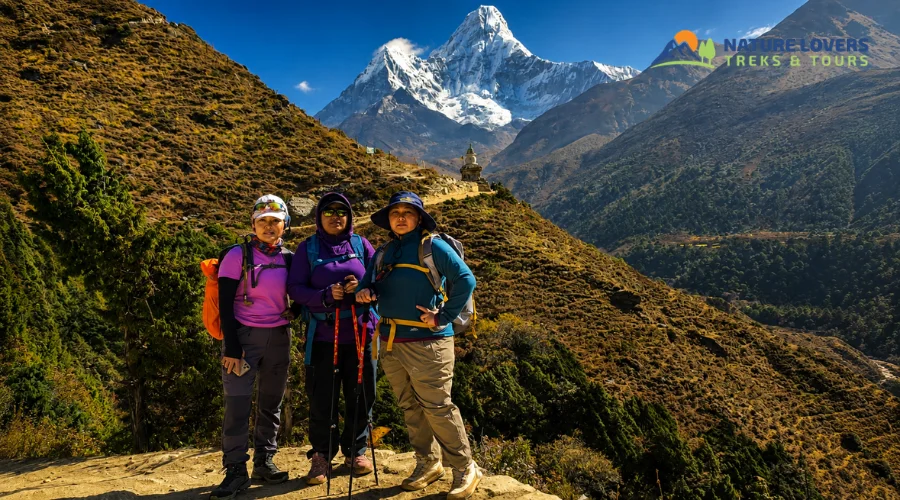
Trekkers have strong leg strength and a body that can handle 5 to 7 hours of daily walking while carrying their light backpack. You do not need to be athletic, run marathons, or lift heavy weights, but you train your lungs, body, and legs to endure long walking for multiple days.
How Much Hiking Experience is Recommended?
No trekking experience is required. With proper pacing, acclimatization, a guide, and good pacing, even beginners can complete the Everest Base Camp Trek. But some multi-day and several long-day hikes can help you make your trek more comfortable and easier. Your knees, lungs, and legs can handle long walking days while your body adapts to high-altitude climates.
When Should Beginners Avoid an Overly Short Itinerary?
Beginners must avoid itineraries that skip acclimatization days and complete the entire Everest Base Camp Trek within 10 to 12 days. You will notice many trekking agencies promoting cheaper 10-day EBC trek packages without rest days. But beginners must avoid them because our bodies need time to adjust to the new climate and altitude. The shorter itineraries increase the risk of suffering acute mountain sickness symptoms, which can be life-threatening.
Why a Proper Acclimatization Matters in the Everest Base Camp Trek
A human's organs need a proper supply of oxygen to function properly. But at high altitudes, air pressure decreases, creating breathing difficulty. Trekkers need proper acclimatization during high-altitude treks to adjust to a new environment. Without proper rest, trekkers may suffer symptoms of acute mountain sickness.
Common acute mountain sickness symptoms
- Headache
- Nausea
- Vomiting
- Loss of appetite
- Fatigue
- Breathing difficulty
- Weakness
- Sleeping difficulty
- Feeling uncomfortable
- Dizziness
Key Takeaway: These symptoms can be noticed within 6-24 hours after reaching a higher altitude.
Everest Base Camp Trek Fitness Requirements
You do not need to be athletic or have elite fitness for the Everest Base Camp Trek. Trekkers need basic fitness to endure long walking for multiple days on rocky trails.
Below we have provided information on fitness requirements for the Everest Base Camp trek.
Cardiovascular Endurance: Trekkers should be able to stay calm and maintain a moderate heart rate for 2 to 3 hours during ascent and descent.
Leg and Core Strength: The Everest Base Camp trek demands long walking days, requiring strong leg muscles for stable ascent and descent on rocky trails.
Hiking Endurance: Trekkers will cover around 10-15 km walking on rocky mountain trails every day. Normally, itineraries offer 2 acclimatization days, so trekkers must have high endurance for long walking days on uneven trails.
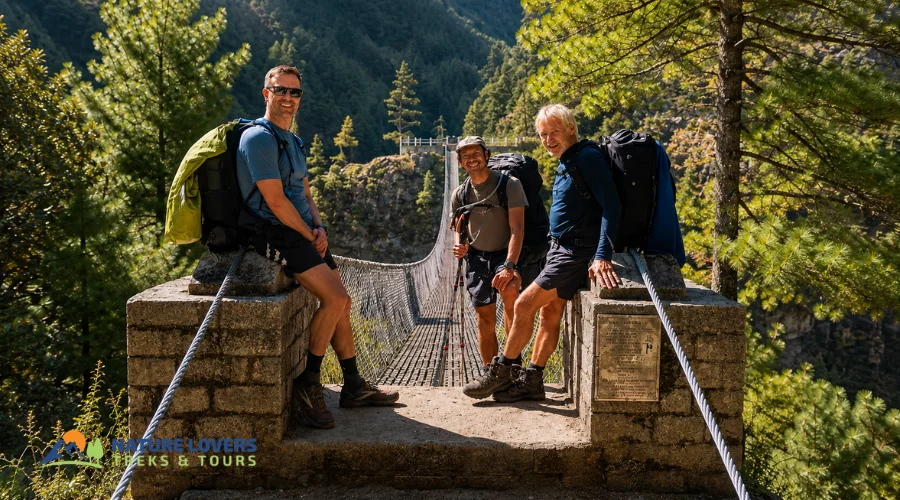
Balance and Stability: The uneven rocky trails, stones, trees, and suspension bridges demand good stability and pacing. Trekkers need to be patient and follow the guide's instructions to avoid any serious injuries.
Training With a Backpack: Trekkers will carry between 5 and 10 kg in their own daypack. So you must train your body with some weight on your back to build good endurance and posture.
Mental Preparation for Long Trekking Days: Mental preparation is also important in high-altitude trekking destinations. Trekkers will suffer from AMS, knee pain, and harsh weather, which mentally break many trekkers midway.
How to Train for the Everest Base Camp Trek
Trekkers can train their stamina, strength, durability, and endurance for the Everest Base Camp Trek. Remember, as altitude increases, the oxygen supply decreases, and the human body needs oxygen to function properly.
So here are a few ways to train your body for the Everest Base Camp Trek.
8-12 Weeks of Cardio
Trekkers must begin their cardio training 2 to 3 months before joining the Everest Base Camp trek adventure. They must include 3 to 4 cardio sessions such as cycling, running, swimming, and brisk walking.
Stair and Hill Climbing
Trekkers can complete short, one-day Himalayan trails which offer stair and hill-climbing experiences. Do this training for 2 to 3 weeks to gain experience and build muscle endurance that flat cardio does not offer.
Strength Training for Legs
Trekkers have to walk 5 to 7 hours daily, so it is important to train leg muscles and strength for the Everest Base Camp trek. Add squats, sit-ups, and lunges to prepare your knees for rough walking days.
Long Weekend Hikes
Trekkers should also gain real hiking experience, so once a week, join a long hike with some elevation gain with proper gear and equipment. This will help you test gear endurance and comfort before the journey.
Training with Trekking Poles
Trekkers planning to use trekking poles should practice with them on hikes. It takes some time and practice to feel natural, and it reduces the knee strain on long descent days.
Rest and Recovery Before the Trek
Trekkersshould not rush the process or put extra strain on their bodies. Make sure to get proper rest and avoid any unnecessary injuries before starting the Everest Base Camp Trek.
Everest Base Camp Trek Difficulty by Season
Choosing the right season for the Everest Base Camp Trek affects the entire journey. The stable weather and clear skies make the long walking days easier than trails covered in snow.
Everest Base Camp Trek in Autumn (September-November)
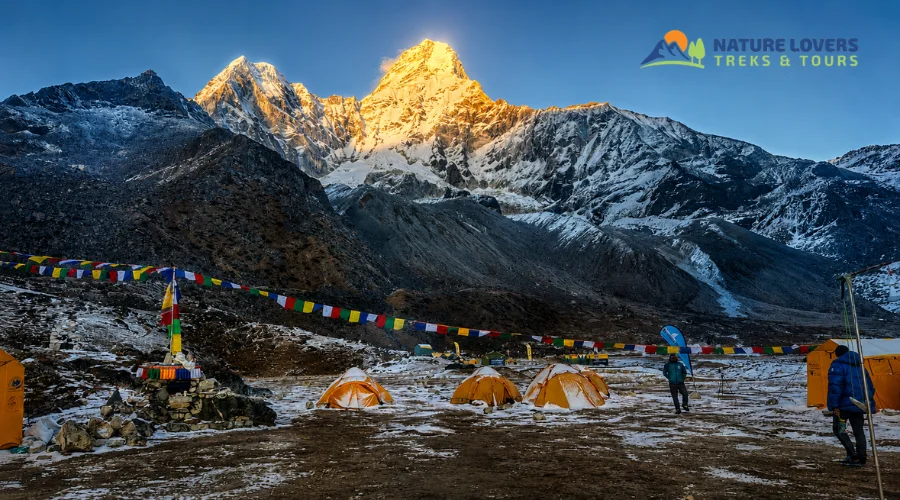
Autumn is one of the most crowded seasons, offering clear skies, dry trails, warm temperatures, and stable weather perfect for the Everest Base Camp Trek. The season starts in September and lasts until November, waving goodbye to heavy monsoon rainfall.
Everest Base Camp Trek in Spring (March-May)
Spring brings warm daytime temperatures, clear skies, stable weather, and forests filled with rhododendron. It is also one of the most crowded seasons, so trails are filled with adventure seekers around the world. March to May offers a perfect environment to start the Everest Base Camp trek.
Everest Base Camp Trek in Winter (December-February)
Winter starts in December and lasts until February, also the quietest season for high-altitude adventure. The trails are covered with a thick layer of snow, and temperatures drop below -10°C. As altitude increases, night gets colder, and temperatures drop below -20°C.
Everest Base Camp Trek in Monsoon (June-August)
The monsoon is the worst season for exploring high-altitude mountain trails. June brings heavy rainfall and lasts until August, with slippery trails, forests with blood-sucking leeches, and a dark sky, increasing the risk of injuries during your adventure.
How to Make the Everest Base Camp Trek Easier
Trekkers can follow the steps provided below to make the entire Everest Base Camp trek easier.
Choose a Proper Itinerary: All beginner trekkers must choose the 14-day Everest Base Camp trek itinerary that includes two full rest days. It is one of the most important factors that can make a huge difference in your entire journey.
Walk Slowly and Maintain a Steady Pace
The Everest Base Camp trek trails demand long walking days, so guides in the Khumbu use the phrase “Bistari Bistari," which means "slowly." Trekkers must take small steps, maintaining their breathing control without rushing the planned itineraries.
Stay Hydrated
Trekkers must drink 3 to 4 liters of water daily to stay hydrated throughout the journey. As altitude increases, the body burns water faster, making breathing difficult and increasing the risk of altitude sickness.
Eat Enough Calories
Trekkers must avoid oily and heavy meals that are hard to digest. As altitude increases, appetite drops, but trekkers must eat high-calorie carbohydrate meals suited to their bodies.
Keep Your Backpack Light
Even if you hire a porter, you will still have to carry your day backpack, so it is important to pack light and smart. Only carry essentials such as water, snacks, a camera, medicines, and anything you might need.
Use Trekking Poles
Trekking poles help to reduce knee strain during long descent daysand add stability on uneven rocky ground.
Hire an Experienced Licensed Guide
The Khumbu region trails are closed for independent and unguided trekking. Trekkers must hire a licensed guide through trekking agencies to apply for the required EBC trek permits. The guide will help you navigate the route and handle all of your logistics so you can focus on creating unforgettable memories with friends and family.
Final Thoughts on the Everest Base Camp Trek Difficulty
The Everest Base Camp Trek difficulty is moderate to strenuous, but with the proper guidance, even beginners can complete this breathtaking adventure. The trails demand long walking days, and altitude breaks many trekkers mentally. But choosing the right itinerary and season can make your journey easier and more exciting. So what are you waiting for? Book your 14-day Everest Base Camp trek and create unforgettable memories with your friends and family.