Why Festivals are Important in Nepal
Every famous festival in Nepal has its own importance, telling the stories of different historical events and their beliefs. These festivals also bring happiness to distant family members, friends, and relatives. Many people also send warm invites to travelers, sharing the happiness with everyone.
Religious Diversity and Cultural Heritage
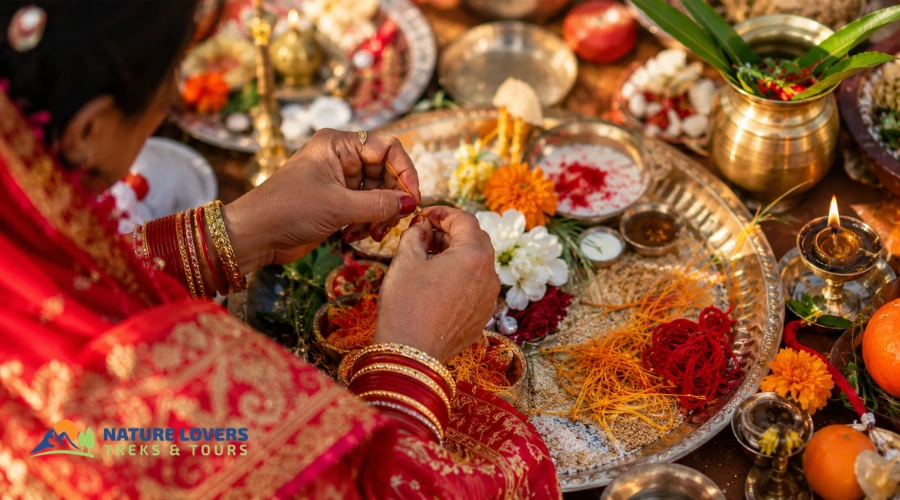
Nepal is known as a diverse country loved by nature, but 81.19% of the people of this country follow the Hindu religion. People speak 123 different languages, and 125 different castes celebrate their own unique festivals in Nepal. People follow many other religions, like Buddhist, Muslim, Kirat, Christian, Jain, Sikh, Bon, Prakriti, and many more.
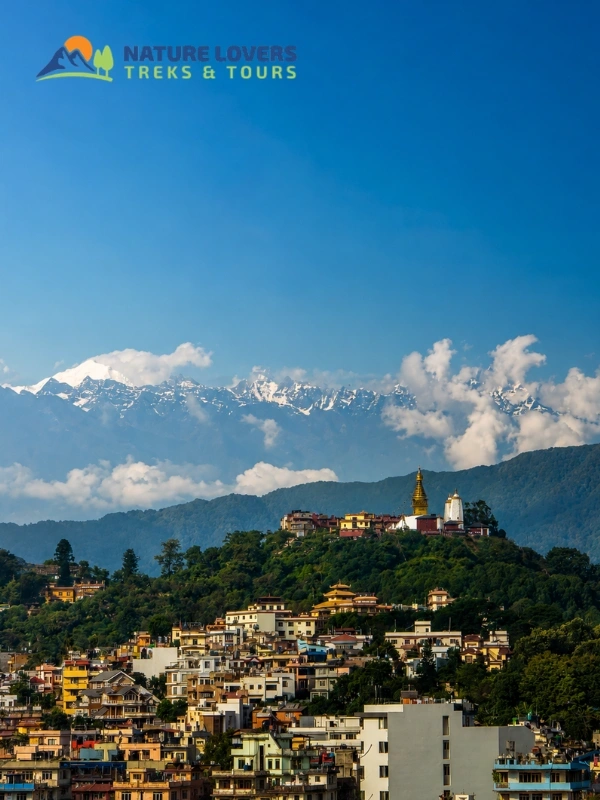
The number of religious temples has unique architectural styles, making them popular globally. The different temples and buildings of Kathmandu, Bhaktapur, Lalitpur, and Chitwan are recognized as UNESCO World Heritage Sites. Swayambhunath, Pasupatinath, and Boudha are the most important religious temples for Hindu and Buddhist devotees.
The Role of Festivals in Nepali Society
Festivals in Nepal also affect the economic condition of the entire country. During famous festivals in Nepal, such as Dashain and Tihar, people spend around $2 billion on gifts, clothes, travel, animals, and decorations. Every government, private office, and school is closed for an entire two weeks, creating a perfect opportunity to spend time with family and friends.
Nepal is also popular for agriculture because around 60% of the population is engaged in agricultural activities. Festivals such as Janai Purnima and Gai Jatra are celebrated after the end of the rice planting season in theHimalayan region. Yomari Punhi marks the end of the rice harvesting season, and Maghe Sankranti marks the end of the winter season.
How Festivals Bring Communities Together
Many famous festivals in Nepal need the participation of several people, so bringing different communities together helps create social connections. During Dashain, elder family members put a tika on your forehead and give blessings to younger family members. You cannot put a tika on your own. So many people visit their hometown to celebrate and spend festival time with their loved ones.
Many festivals are celebrated to bring happiness to people's faces and have their own beliefs connected to historical stories. Gai Jatra has been celebrated since the 17th century because the king was frustrated by his sorrowful queen after the death of their child. The king asked everyone for advice to make the queen smile again. So everyone filled the streets wearing cow costumes, comedians, and artists to make the queen smile, now known as Gai Jatra.
Major Festivals in Nepal
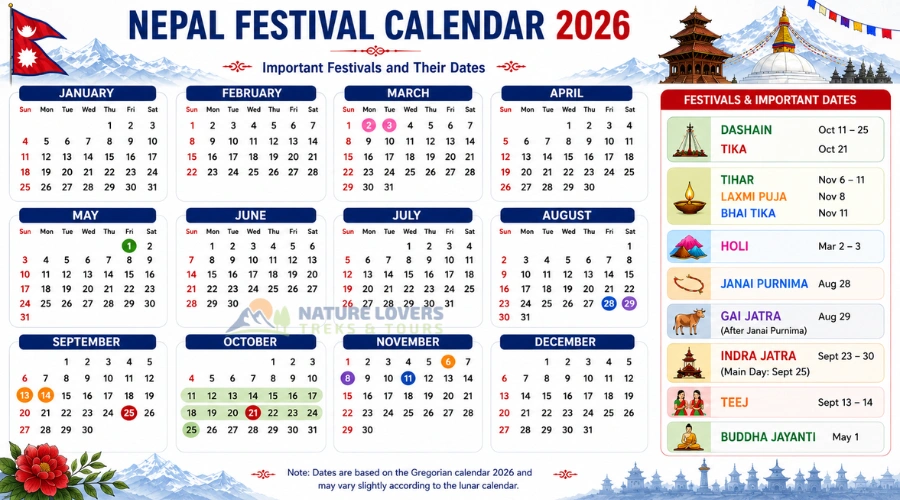
Nepal's festivals follow the lunar Bikram Sambat calendar, so you might notice date shifts every year by days and weeks for some traditional festivals in Nepal. So make sure to check Hamro Patro and confirm the tika time and festival dates before booking your journey to explore the famous festivals in Nepal.
Here is the list of famous festivals in Nepal for travelers.
Dashain Festival
Dashain is one of the most famous festivals in Nepal, celebrated by the entire nation. Thousands of travelers visit to enjoy the mesmerizing scene of Nepal's streets. The festival tells the story of Goddess Durga's nine-night battle against the demon Mahishasura. The story of this battle also connects to the battle of Rama against Ravana.
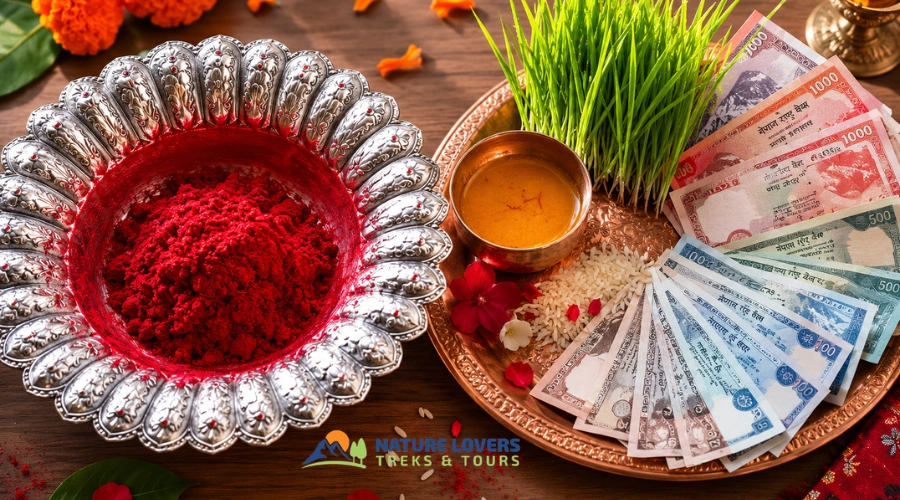
The festival is celebrated for the entire month of October, also known as Vijaya Dashami. In Ghatasthapana, families sow barley seeds in a dark corner for the tenth day. After the tenth day, Jamara is ready for the Dashain tika. The tika is made of rice, yogurt, and red color pressed onto the forehead alongside jamara with lots of blessings from elderly people.
The festival lasts for 15 days, which include Ghatasthapana, Phulpati, Maha Ashtami, Navami, and Vijaya Dashami, celebrated from the tenth day onward. The younger will kneel before the elders for tika, exchanging cash and gifts as a blessing gesture. People will celebrate the festival for five days till Kojagrat Purnima.
Tihar Festival of Lights
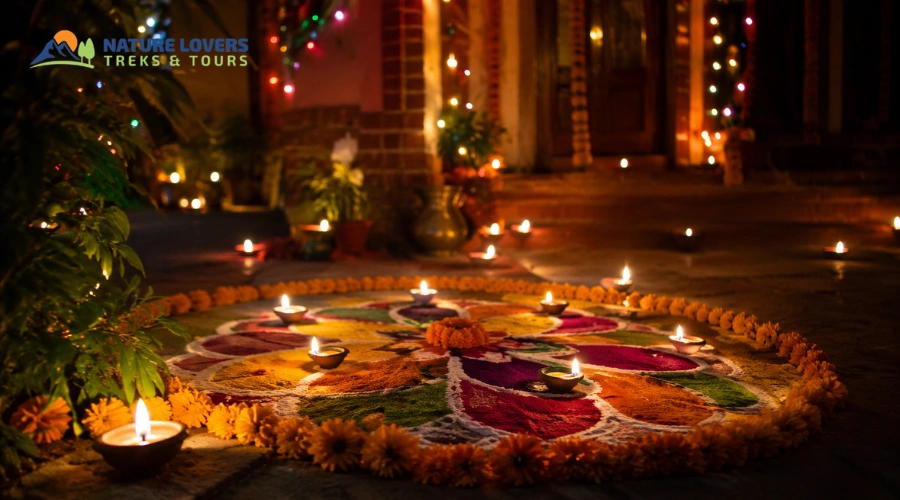
Tihar, also known as the festival of light, is celebrated two weeks after Dashain in the month of November and has completely different vibes. This is one of the famous festivals in Nepal, celebrated by worshiping animals and spiritual powers that helped us survive and make living possible. People decorate their houses with different colors of lights and oil lamps known as diyas.
The first day of the festival starts by worshiping crows, also known as Kaag Tihar. People offer food and water on their rooftops, on the ground, on balconies, or on the sides of streets. Kukur Tihar is celebrated on the second day by worshiping dogs with flower necklaces and tika. They offer a variety of food to all the dogs. The crows and dogs are both considered the messengers of Yama, the god of death.
During Gai Tihar, on the third day, people will worship cows with Laxmi Puja, inviting the goddess of wealth inside the house. People light the entire country with candles, oil lamps, and different colorful lights, making it the best festival in Nepal for travelers. On the fourth day, people worship the ox, combined with Govardhan Puja and Mha Puja, marking the Newari New Year. It is celebrated all over the Kathmandu Valley, making it the most crowded day of the festival.
The last day of the festival closes with Bhai Tika, which tells the story of Yama and his sister Yamuna. The sisters will apply a seven-color tika to their brother's forehead, praying for his long life, and the brother takes an oath to protect his sisters for life. The streets are filled with groups of people performing Deusi and Bhailo. People wear traditional clothes, promoting their music, food, and dance, making it one of the most memorable festivals in Nepal for travelers.
Holi Festival of Colors
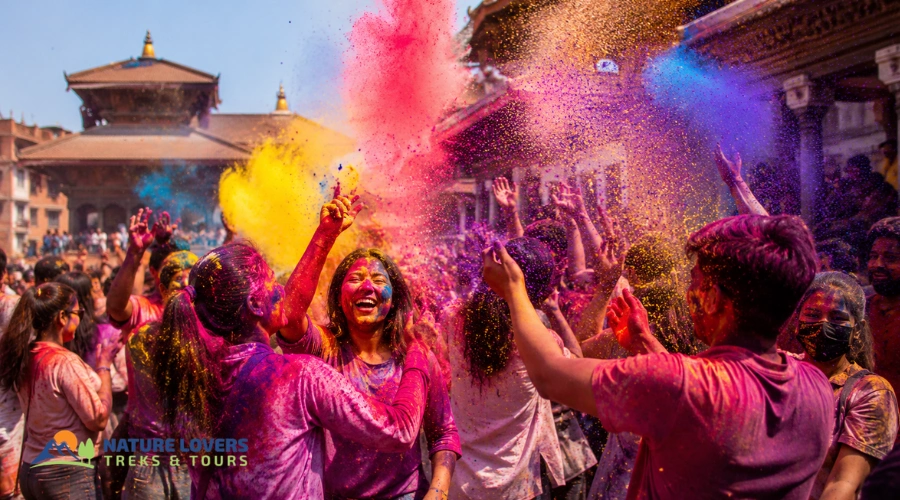
Holi is celebrated in Nepal for two days in the month of March, covering the faces and streets with different colors. The Hindu festival of color shares happiness and love without any social or religious boundaries. The god Vishnu protected Prahlad from the evil demoness Holika, creating a symbol of the victory of good over evil power.
It is one of the most famous festivals in Nepal for travelers to enjoy. The unique festival covers the entire country with colors. During festival days, especially in Kathmandu Valley, the areas around the Thamel andDurbar Square streets are crowded with people and loud music. In Basantapur, a tall bamboo pole called the "chir," wrapped around colored cloth, is burned as a sign to end the festival.
Janai Purnima
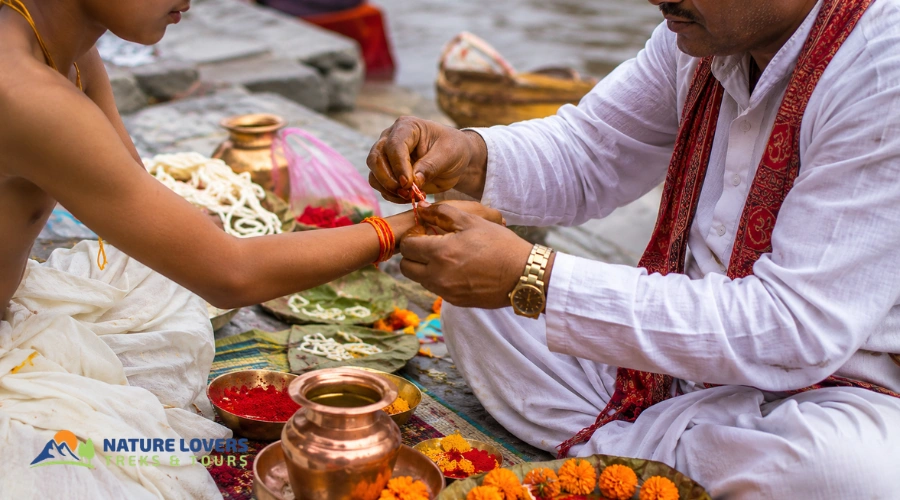
Janai Purnima is one of the most famous festivals in Nepal, celebrated by the men of the Brahminand Chhetri communities in the month of August. According to the ritual, they take a shower and change the sacred thread worn across their chest. People also celebrate Raksha Bandhan, a day when a sister ties a protective thread around her brother's wrist. The Newar community celebrates it as Gunhi Punhi, offering rice to frogs as a gesture of gratitude for the monsoon.
TheLangtang Gosaikunda trekis the most demanding trip to reach the glacial lake at 4,380 m above sea level. Thousands of Hindu, Buddhist, and Shamanic religion people take part in this ritual wearing white robes and feathered headdresses. Travelers can also visit the Kumbeshwar Temple in Patan to enjoy this festival. You can enjoy food such as Kwati, a soup made of nine sprouted beans, at any Newari restaurant in Kathmandu.
Indra Jatra
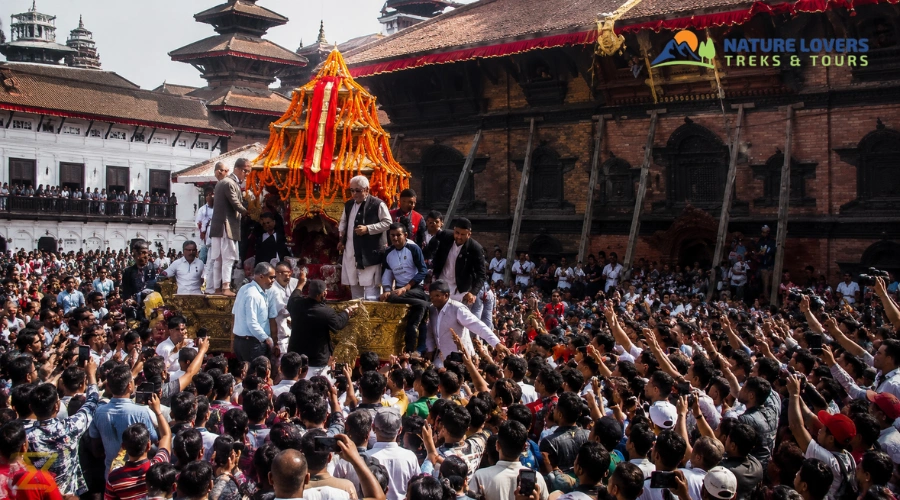
Indra Jatra is one of the famous festivals in Nepal, like Dashain and Tihar, celebrated all around the Kathmandu Valley in the month of September. People honor the Vedic god of rain, Lord Indra, who was imprisoned for being caught picking flowers on the earth. Then the mother of Lord Indra descended to release him, offering a good harvest and safe passage to heaven for the dead.
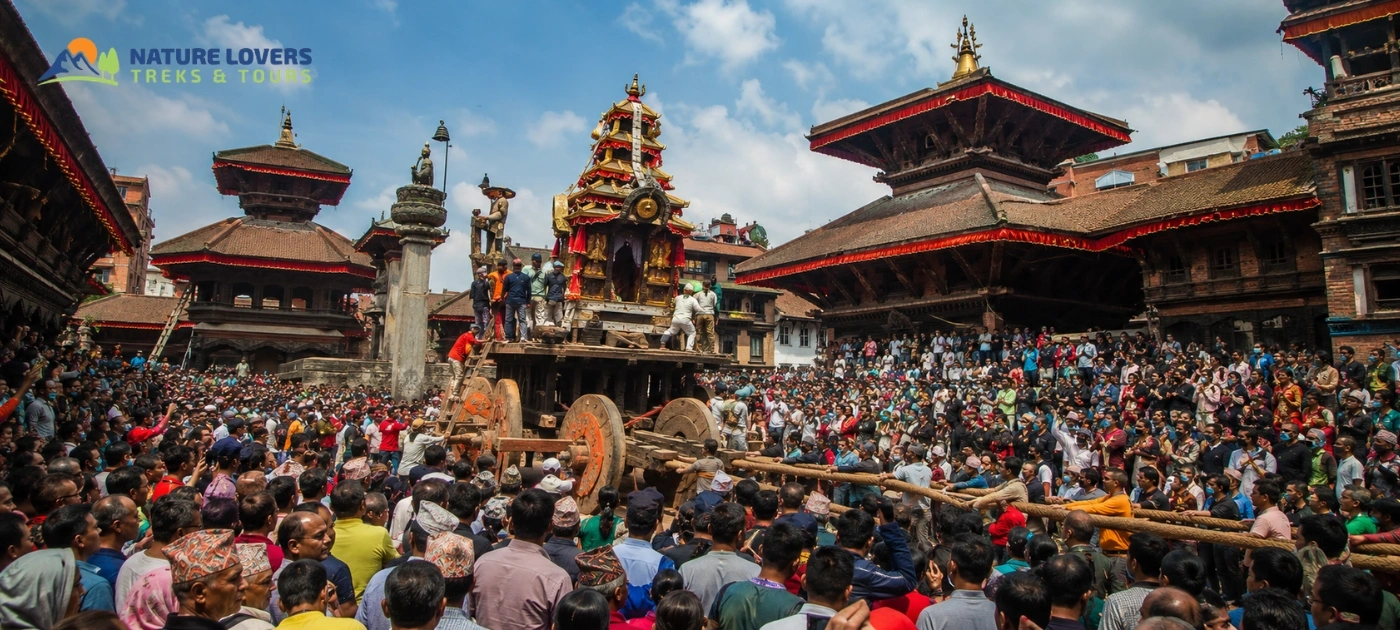
Kumari Jatra is the most highlighted part of this festival, known as the living goddess of Newari culture. A young virgin girl from the Newar Buddhist Shakya caste is worshipped as the living vessel of a goddess who offers luck and wealth to people. The streets of Kathmandu Valley are filled with people dressed as Lakhey performing traditional dance and music.
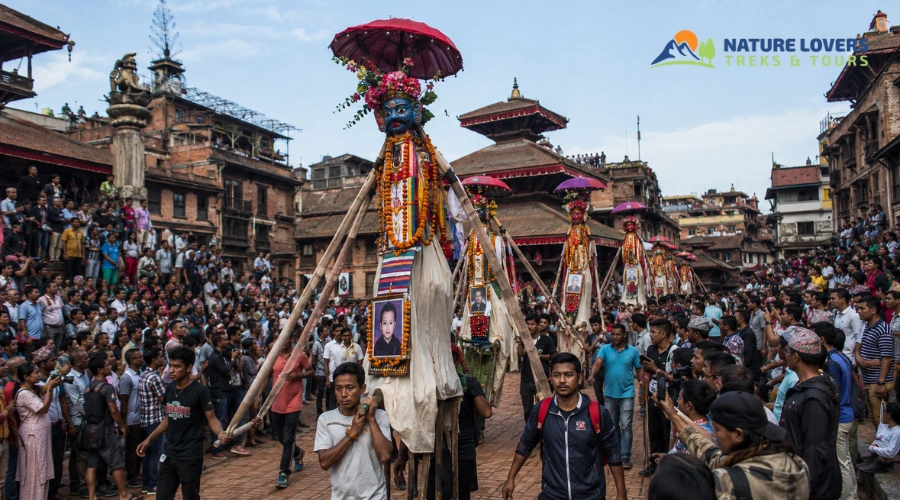
Gai Jatra
Gai Jatra holds a very emotional connection with families who lost a loved one in past years. A boy dressed as a cow walks through the streets of Kathmandu. Hindu tradition believes that the cow helps lost souls find their way to the afterlife through the river. Many dances and dramas are performed in the streets of Kathmandu to bring a smile to people's faces.
The 17th-century king started this festival to bring smiles to his grieving queen after the death of their son. The king hired professional comedians, dancers, musicians, street performers, and artists for the entire day for the queen's entertainment. The festival is celebrated for eight dayscontinuously, making the streets of Bhaktapur joyful and one of the most famous festivals in Nepal.
Buddha Jayanti
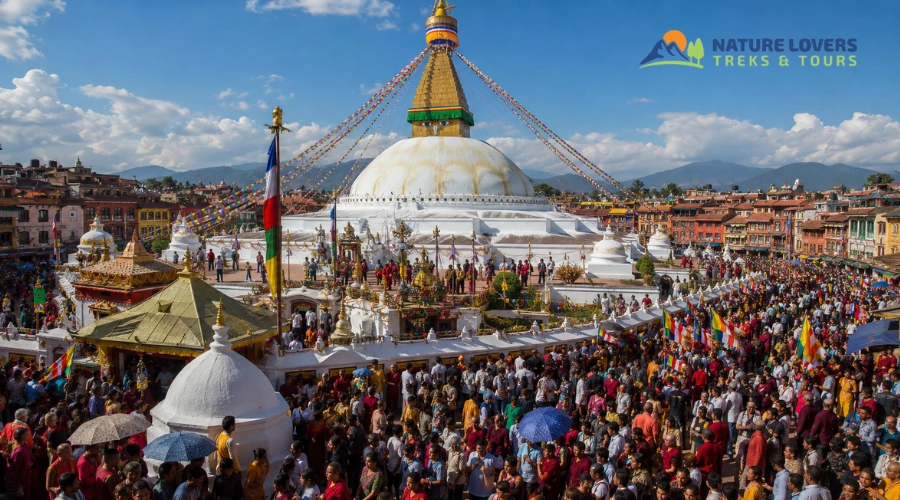
Buddha Jayanti is one of the most famous festivals in Nepal, celebrated in May. The festival is celebrated on the full moon of Baisakh, marking three events of Buddha’s life at once. The birth, enlightenment, and death are the three events of his life, so sometimes it is called the “thrice-blessed festival," and a national public holiday is provided for celebration.
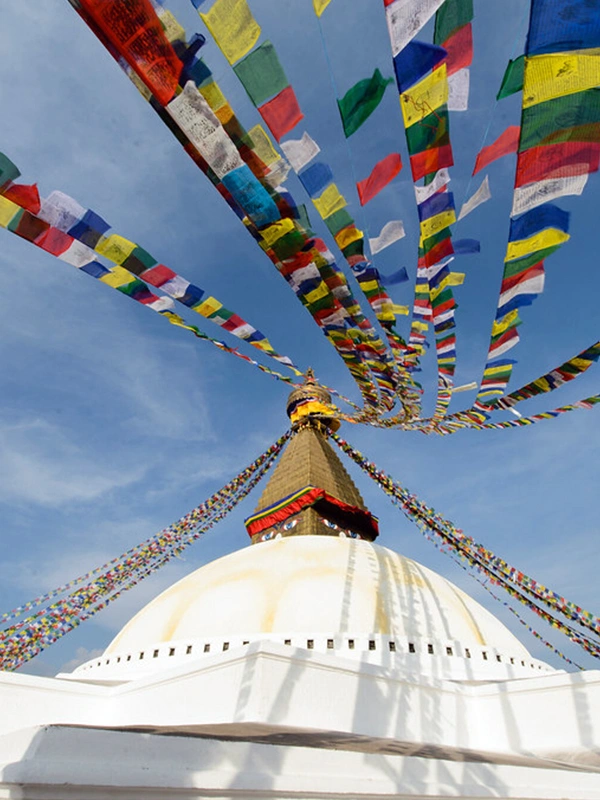
Places like Swayambhunath and Boudhanath Stupafollow different rituals, such as sutra readings, monks chanting, and stupas surrounded by butter lamps. The strings of prayer flags are replaced, cleaning the entire space to fill it with lots of attractive decorations. The place is crowded with devotees exploring in a clockwise direction and enjoying a sweet rice pudding known as Kheer.
Teej Festival
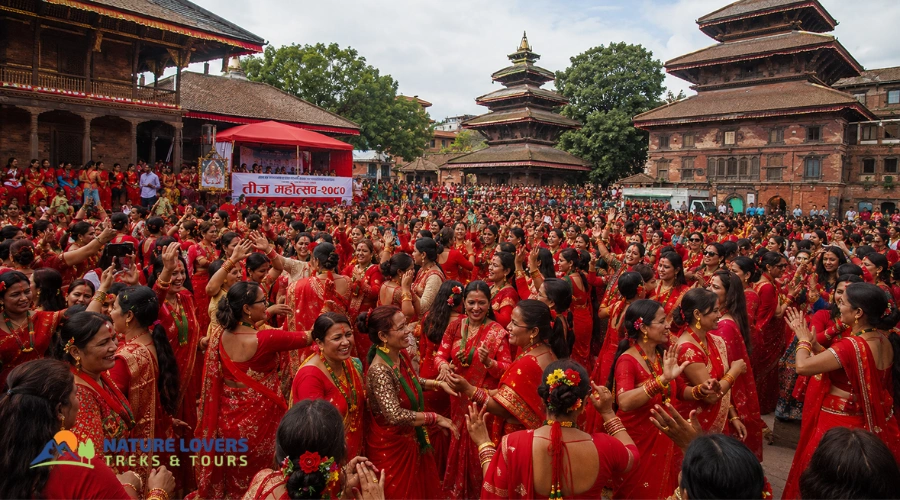
Teej, a festival of dance, music, and food, is celebrated especially by women. According to the stories, they say Goddess Parvati kept fasting for days without water and food to win Lord Shiva as her husband. Dar Khane Din is the first day of the festival when many women gather and organize an event filled with varieties of food, fruits, and drinks before starting the fast.
Women will spend a full day without food or water, dressed in red saris, visiting temples of Lord Shiva on the second day. Pashupatinath, the most religious temple dedicated to Lord Shiva, draws the largest attention and crowd during Teej, one of the most famous festivals in Nepal. All the government and private offices and schools have a public holiday to celebrate the festival.
Maha Shivaratri
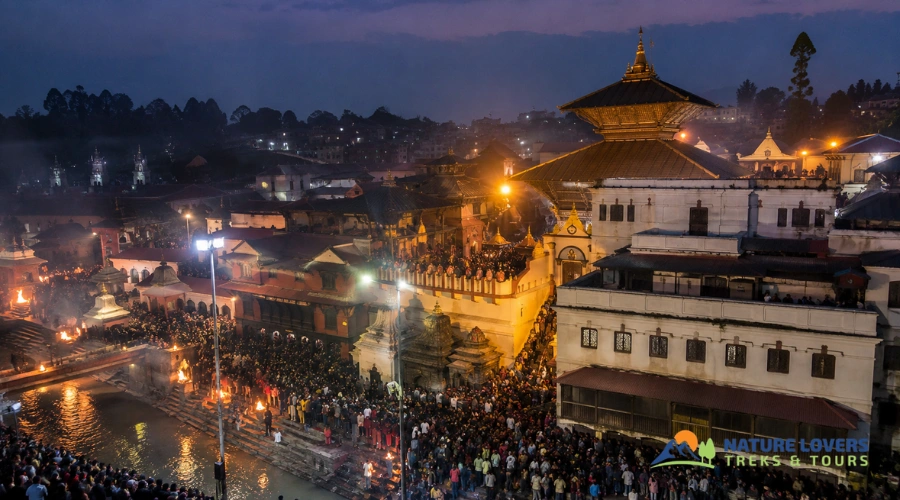
Maha Shivaratri is an important festival in Nepal celebrated at night with a special dance dedicated to Lord Shiva. The religious festival is celebrated in Nepal by Hindu devotees. The story tells of the day and night when Lord Shiva consumed a dangerous poison to save the entire universe.
Pashupatinath, a UNESCO World Heritage site, attracts huge numbers of devotees on the festival day. The temple is specially dedicated to Lord Shiva and is believed to be one of the holiest Shiva temples on earth. The sadhus near the temple are found smoking cannabis and performing Shiva’s cosmic dance as part of a tradition. It is considered illegal in Nepal.
Mani Rimdu Festival
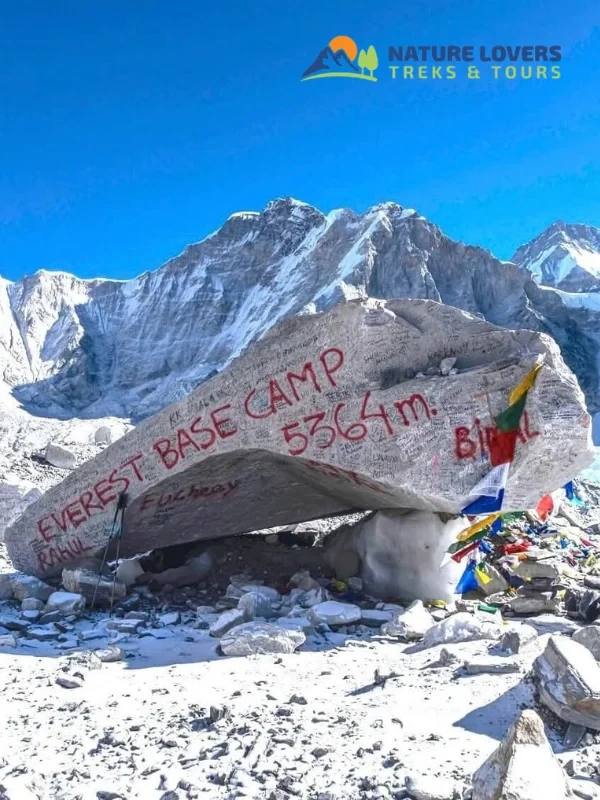
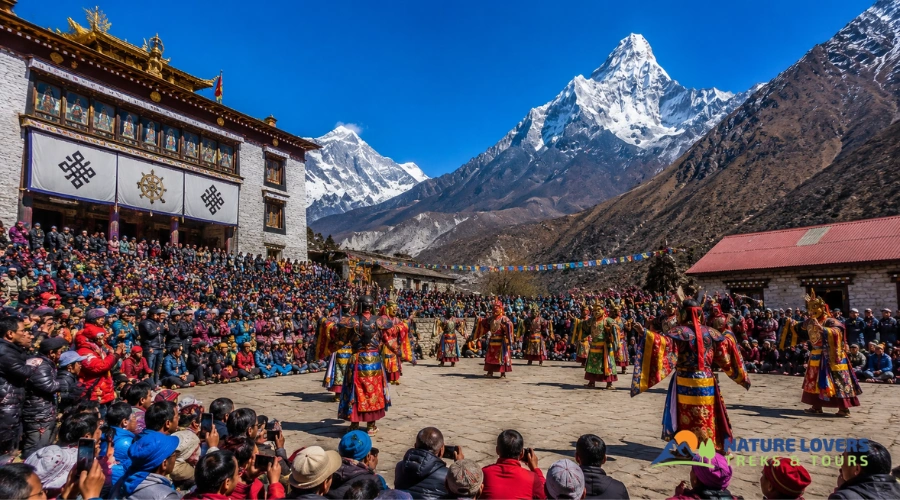
Mani Rimdu is a traditional festival of Sherpa Buddhism celebrated at Tengboche Monastery on the Everest Base Camp Trek. Exploring the Everest region during this festival month, trekkers can enjoy the true Himalayan Sherpa culture and tradition. The festivals are also celebrated at the Thame and Chiwong monasteries.
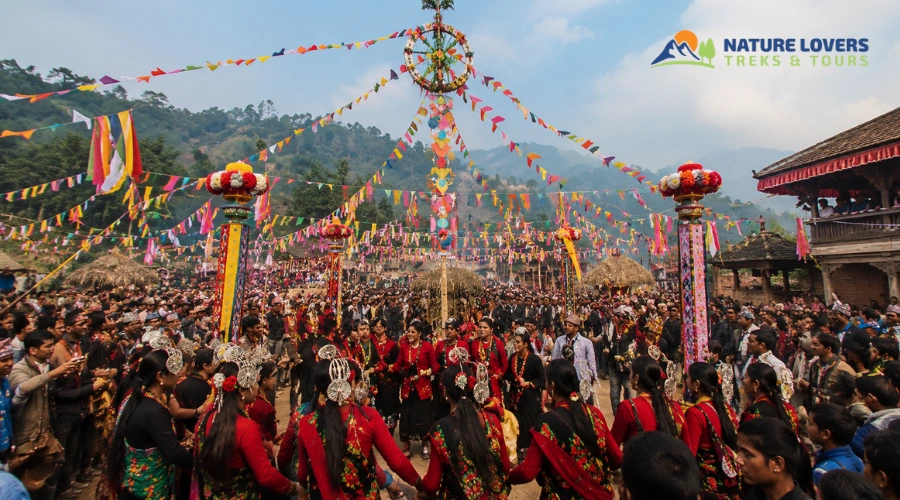
The festival tells the historical story of Guru Rinpoche, also known as Padmasambhava. The unique Chham masked dance is performed in the monastery yard to celebrate victory over the Bon religion. The festival's full cycle runs for 19 days, closing the monastic door for preparation, and only the final 3 days are open to the public.
Choose the Best Season for Celebrating Festivals in Nepal
The right time to visit Nepal can make a big difference in your experience, depending on your preference. Trekking in Nepal is the most popular journey for adventure seekers, but walking the trails around the festival season will offer you the opportunity to explore the true Himalayan region's culture and traditions. Hundreds of foreigners explore the country with children or their loved ones to explore the true beauty of the famous festivals in Nepal for travelers.
Festivals in Nepal Celebrated During Spring (March to May)
The spring season opens many adventure options for travelers according to their preferences. Festivals like Bisket Jatra crowd the streets of Bhaktapur in mid-April. Holi, one of the famous festivals in Nepal, covers the whole nation with different shades of color. The festival of color is celebrated in early March. In early May, Buddha Jayanti is celebrated as the last festival of the spring season. The unique Tiji Festival is celebrated inMustang each year, typically between mid and late May.
Festivals in Nepal Celebrated During Autumn (September to November)
Autumn starts in September and lasts till November, welcoming the most famous festivals in Nepal for travelers to enjoy. The warm temperature with a clear sky and the best weather brings the peak season for trekking in Nepal to explore the Himalayan region. Festivals like Teej and Indra Jatra are celebrated in September. The festivals like Dashain, Tihar, Mani Rimdu, and Chhath are celebrated through October and November.
Festivals in Nepal Celebrated During Winter (December to February)
The month of December brings cold weather in Nepal, lasting till February. Winter does not bring crowded festivals, but it is known as the quiet season in Nepal. The family and community-based small festivals are celebrated rather than the public ones. Tamu Lhosar is celebrated in late December. Losar and Maghe Sankranti are celebrated in mid-January.Maha Shivaratri, one of the most famous festivals in Nepal, is celebrated in February.
Festivals in Nepal Celebrated During Summer (June to August)
The summer brings rain from June to August. It is not a good time to explore the high-altitude places. But it brings a few spectacular big public festivals. Ropain starts in late June, a festival for planting rice in different places of Nepal. Gunla, Janai Purnima, and Gai Jatra, the famous festivals in Nepal, are celebrated in August, mostly inside the Kathmandu Valley.
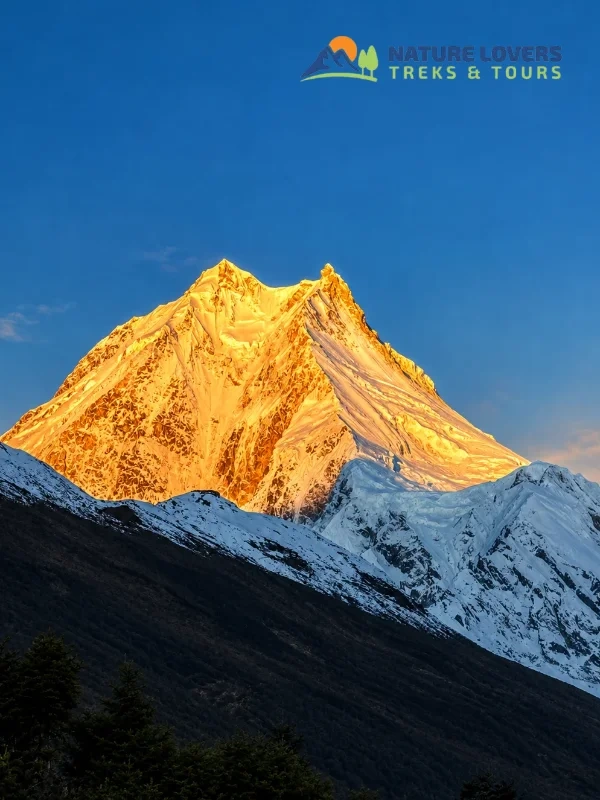
Note: Spring and autumn are the best seasons for the Everest Base Camp Trek and the Annapurna Base Camp Trek. High-altitude adventure seekers can also explore the trails of the Manaslu Region and the Langtang Region Trek. The trails are filled with red, pink, and white shades of rhododendrons, surrounded by the breathtaking views of the mountains
Conclusion
Nepal is the most popular country among travelers who want to explore the cultures and traditions of different countries. The country is also popular for its high-altitude restricted area trekkingand is the home of eight of the world's tallest mountains, including Mount Everest. Many famous festivals in Nepal reflect the true beauty of a multi-religious country. The streets are covered with traditional dress, music, food, and dance, making it one of the most photogenic countries in the world. Travelers can try unique foods like Sel roti, Yomari, Kwati, Bara, Juju Dhau, and many more.
FAQs For Famous Festivals in Nepal for Travelers
Which is the biggest festival in Nepal?
Dashain is the biggest and most important festival in Nepal.
What is the best festival in Nepal for foreign travelers?
Holi, Mani Rimdu, and Maha Shivaratri are considered the best festivals in Nepal for travelers.
What are the most famous festivals in Nepal?
The most famous festivals in Nepal are:
- Dashain
- Tihar
- Holi
- Buddha Jayanti
- Indra Jatra
- Mani Rimdu
- Teej
- Gai Jatra
- Janai Purnima
- Maha Shivaratri
When is the best time to visit Nepal for festivals?
The best time depends on the festival you want to experience:
- March: Holi
- April–May: Buddha Jayanti
- August–September: Gai Jatra and Janai Purnima
- September–October: Indra Jatra
- October–November: Dashain and Tihar
- February–March: Losar (dates vary by community)
Key Takeaway: Autumn (September to November) is considered the best overall season because it combines major festivals with excellent trekking weather.
Can tourists participate in Nepalese festivals?
Yes, tourists can freely participate in and observe the Nepalese festivals without disrespecting the people's religious and spiritual beliefs. But remember to get permission before taking pictures of any religious rituals or places, especially at the sacred sites.
Which Nepal festival is best to combine with trekking?
Dashain, Tihar, and Mani Rimdu are the best Nepali festivals to combine with trekking. These festivals are celebrated during spring and autumn, the best seasons for trekking, which offer clear skies, warm temperatures, and forests filled with different shades of rhododendron.
What is Tihar, and why is it special?
Tihar, also known as the festival of light, is celebrated for five days, honoring crows, dogs, cows, oxen, and the bond between brothers and sisters. The homes of the entire country are decorated with oil lamps, candles, rangoli, and marigold garlands, creating a mesmerizing view for travelers.
What is Holi in Nepal?
Holi, also known as the festival of colors, is celebrated in March. The colored powder and water cover the streets and faces of people. The loud music and dance crowd different places, especially the streets of Basantapur and Pokhara. It's the best festival for travelers to experience and create unforgettable memories.
What is Indra Jatra?
Indra Jatra is known as Kathmandu's oldest festival, celebrating to honor Lord Indra, the god of rain. The Kumari chariot and masked dance performed in Kathmandu Durbar Square is the major attraction of the entire festival.
What is Mani Rimdu, and where is it celebrated?
Mani Rimdu is an important Buddhist festival celebrated in monasteries of the Everest region, particularly at Tengboche Monastery. Monks perform sacred masked dances, prayers, and rituals symbolizing the triumph of wisdom over ignorance. It is one of the most popular cultural festivals for Everest trekkers.
Which festivals are celebrated in Kathmandu?
Many famous festivals are celebrated in Kathmandu, such as
- Indra Jatra
- Dashain
- Tihar
- Holi
- Gai Jatra
- Buddha Jayanti
- Seto Machhindranath Jatra
- Rato Machhindranath Jatra
Key Takeaway: The Kathmandu Valley is one of the best places to experience Nepal's living cultural heritage.
Which festivals are celebrated in the Everest region?
Popular festivals in the Everest region include:
- Mani Rimdu
- Dumji Festival
- Losar
- Buddha Jayanti
Key Takeaway: These festivals showcase Sherpa Buddhist traditions and attract trekkers from around the world.
Which festivals are celebrated in the Annapurna region?
In the Annapurna region, visitors may experience:
- Dashain
- Tihar
- Losar
- Maghe Sankranti
- Local Gurung and Magar cultural festivals
Key Takeaway: Many villages also organize traditional dance performances during major holidays.
Is it safe to travel during Nepal's festival season?
Yes. Nepal is generally safe during festival seasons. However, transportation may be busier because many people travel to their hometowns during Dashain and Tihar. Booking flights, hotels, and trekking packages in advance is recommended.
Are trekking routes open during Nepal's major festivals?
Yes. Most trekking routes remain open throughout the year, including during Dashain and Tihar. Some teahouses may operate with reduced staff, but popular trekking routes such as Everest Base Camp, Annapurna Base Camp, Langtang Valley, and Mardi Himal continue to welcome trekkers.
Can I photograph festivals in Nepal?
Yes. Photography is generally allowed during public celebrations. However, always ask permission before taking close-up photos of individuals, monks, or religious ceremonies, and respect photography restrictions inside temples and monasteries.
Which Nepal festival is best for photography?
Top festivals for photography include:
- Indra Jatra
- Holi
- Tihar
- Mani Rimdu
- Losar
- Gai Jatra
Key Takeaway: These festivals feature colorful costumes, traditional dances, decorated streets, and vibrant cultural scenes that make excellent photography subjects.
How to plan a trip in Nepal to enjoy the famous festivals??
Learn to plan a vacation in Nepal to experience famous festivals such as Dashain, Tihar, Holi, and Mani Rimdu.
- Apply for a Nepal Tourist Visa
- Choose the right festival
- Check the festival dates
- Plan your itinerary
- Book accommodation early
- Purchase Travel Insurance
- Pack the right clothes, gear, and equipment
- Respect Local Customs
- Enjoy the authentic cultural experiences
Key Takeaway: Follow these steps to plan a perfect vacation in Nepal to enjoy the famous festivals, cultures, and traditions.