Everest Base Camp Trek - 14 Days

171 Reviews in TripAdvisor
57 Reviews in Google

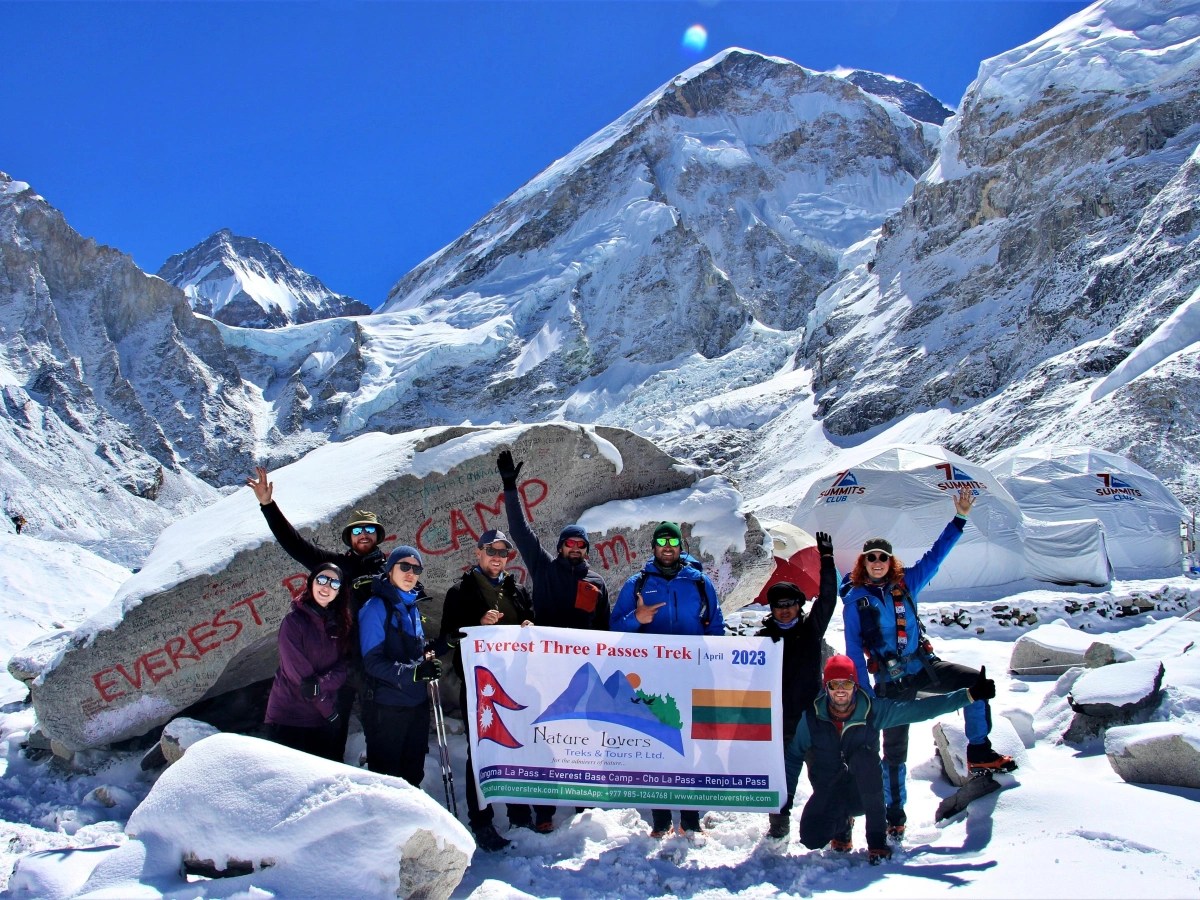
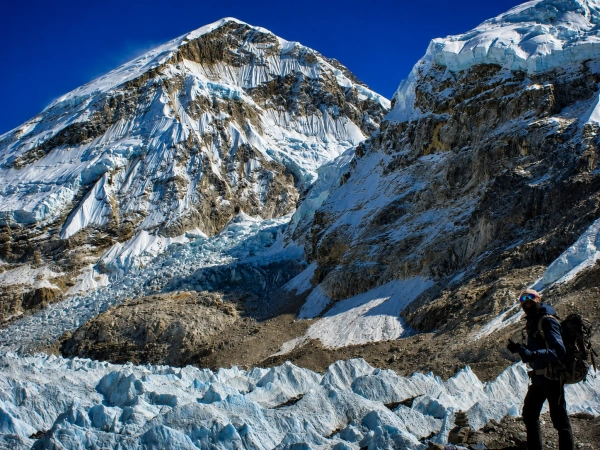
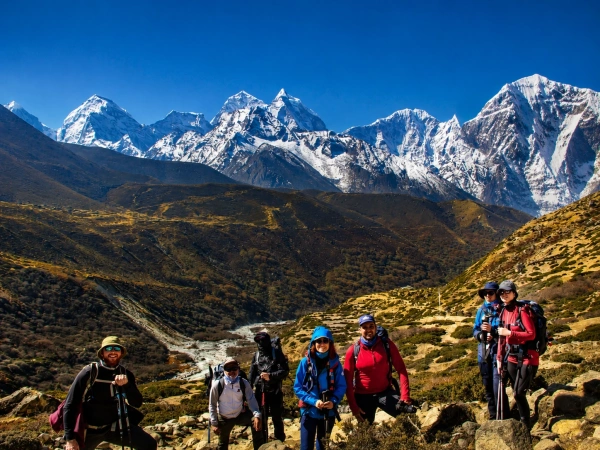
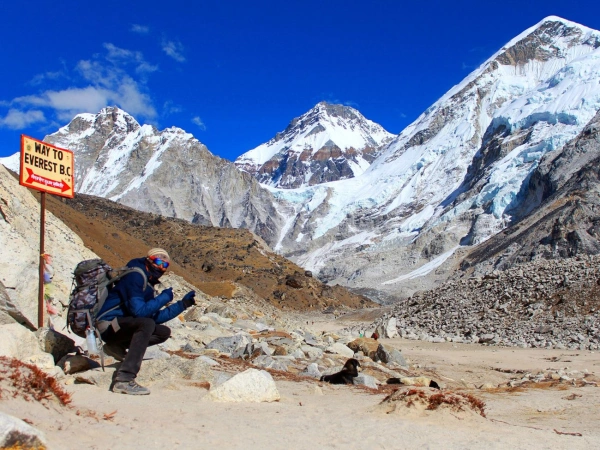
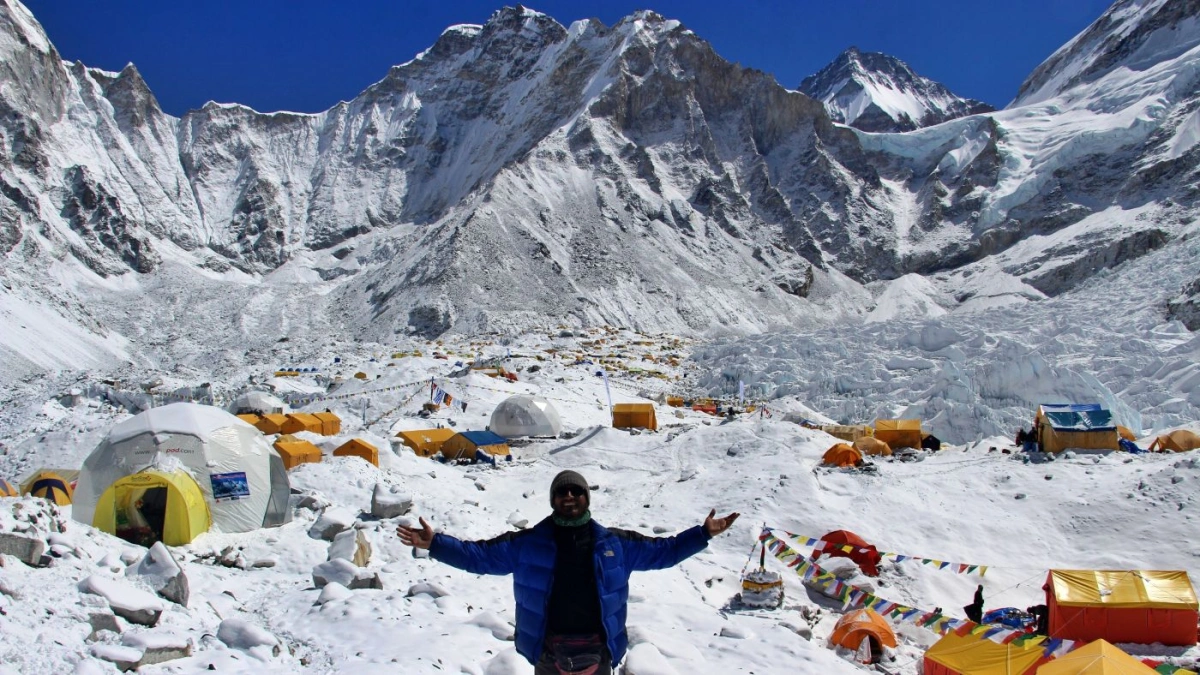
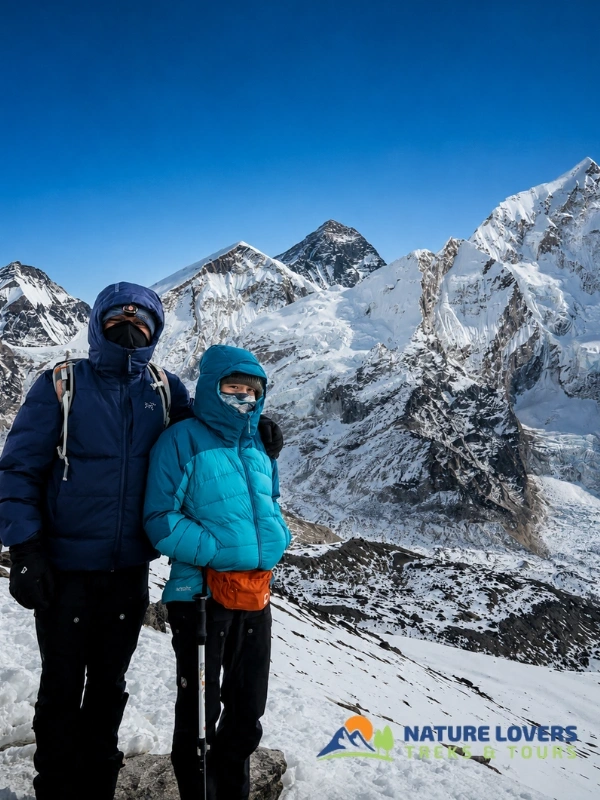
The Everest Base Camp Trek in Nepal is one of the most popular destinations, loved by every high-altitude adventure seeker. The 14-day journey crosses Lukla, Dudh Kosi Valley, Sherpa villages, monasteries, and pine forests to Everest Base Camp at 5,364 m and then climbs to Kala Patthar at 5,545 m above sea level. The journey offers an authentic high-altitude adventure exploring Himalayan region culture and traditions.

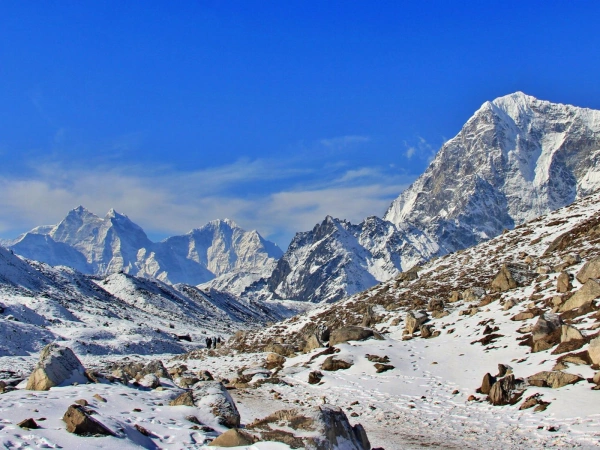
Sagarmatha National Park is a popular UNESCO World Heritage site located in Nepal. The national park protects hundreds of rare animal, bird, and plant species, making it a perfect location for animal lovers. Trekkers will spend two full days acclimatizing before pushing above 4,500 meters. The 14-day adventure trekkers will explore the trails of the Khumbu region while enjoying the mesmerizing view of Mount Everest, the world’s tallest mountain.

Nature Lover Treks and Tours will help you with all queries and important logistical information for your journey. The cost includes permits, accommodation, Lukla flights, transportation, an itinerary, food, and a licensed travel guide. In peak season, trails are crowded, so make sure to book your vacation before exploring the Everest and Khumbu regions of Nepal.

Duration
14 Days
Trip Grade
Strenuous
Country
Nepal
Max Altitude
5,555 meters
Starts
Kathmandu to Lukla
Ends
Lukla to Kathmandu
Group Size
Flexible
Activities
Trekking and Hiking
Best Time
Spring (March - May)| Autumn (Sep - Dec)

What is the Everest Base Camp Trek - 14 Days?

The 14-day Everest Base Camp Trek covers around 130 km on foot, climbing from Lukla to base camp (5,364 m) and the Kala Patthar (5,545 m). Kala Patthar is also known as the highest point of the Everest Base Camp trek, offering the majestic sunrise view surrounded by the tallest snow-capped mountains.

Why Choose the 14 Day Everest Base Camp Trek?

The shortest two-week itinerary offers a comfortable journey for trekkers with good physical health who want to explore the Everest region. Trekkers will spend two acclimatization days, one in Namche Bazaar (3,440 m) and another in Dingboche (4,410 m). You will notice many agencies selling 10- or 12-day packages at a cheap cost, removing the rest day before their ascent to Kala Patthar

If you are a beginner or intermediate trekker joining the Everest Base Camp Trek, avoiding these two crucial rest days can increase your chances of suffering altitude sickness. The 14-day itinerary is perfect for beginners and intermediate trekkers with good physical health. Trekkers can also increase their days with an extra rest day or side trips to Gokyo and Chhukung. But the total package cost will be higher depending on your itinerary and luxury.

Who is this trek best suited for?

This trek is best suited for trekkers with good physical and cardiovascular fitness who want to experience the high-altitude adventure in Nepal. Trekkers have to climb and descend around 5 to 6 hours daily on average. The trail does not demand any prior high-altitude trekking or technical climbing skills. It's the perfect choice for beginners and intermediate adventure seekers to experience the Himalayan region adventure of Nepal

Many professional trekkers skip acclimatization to save time and reach the base camp to attempt the Everest summit climb. This 2-week itinerary is not suitable for anyone who wants to rush their journey and cover more than the average daily walking distance without any rest day. Also, travelers with pre-existing heart and lung conditions should consult their doctor for a medical clearance certificate.

Everest Base Camp Trek - 14 Days Highlights

The 14-day itinerary offers continuous breathtaking adventures, beautiful snow-capped mountains, lakes, villages, religious sites, and many more. Here are a few highlights of the 2-week Everest Base Camp Trek high-altitude adventure.

  • Trek to Everest Base Camp (5,364 m)
  • Sunrise at Kala Patthar (5,545 m)
  • Scenic Flight to Lukla (2,860 m)
  • Explore Sherpa Villages and Monasteries
  • Walk through Sagarmatha National Park
  • Mesmerizing views of Everest and Neighboring Peaks

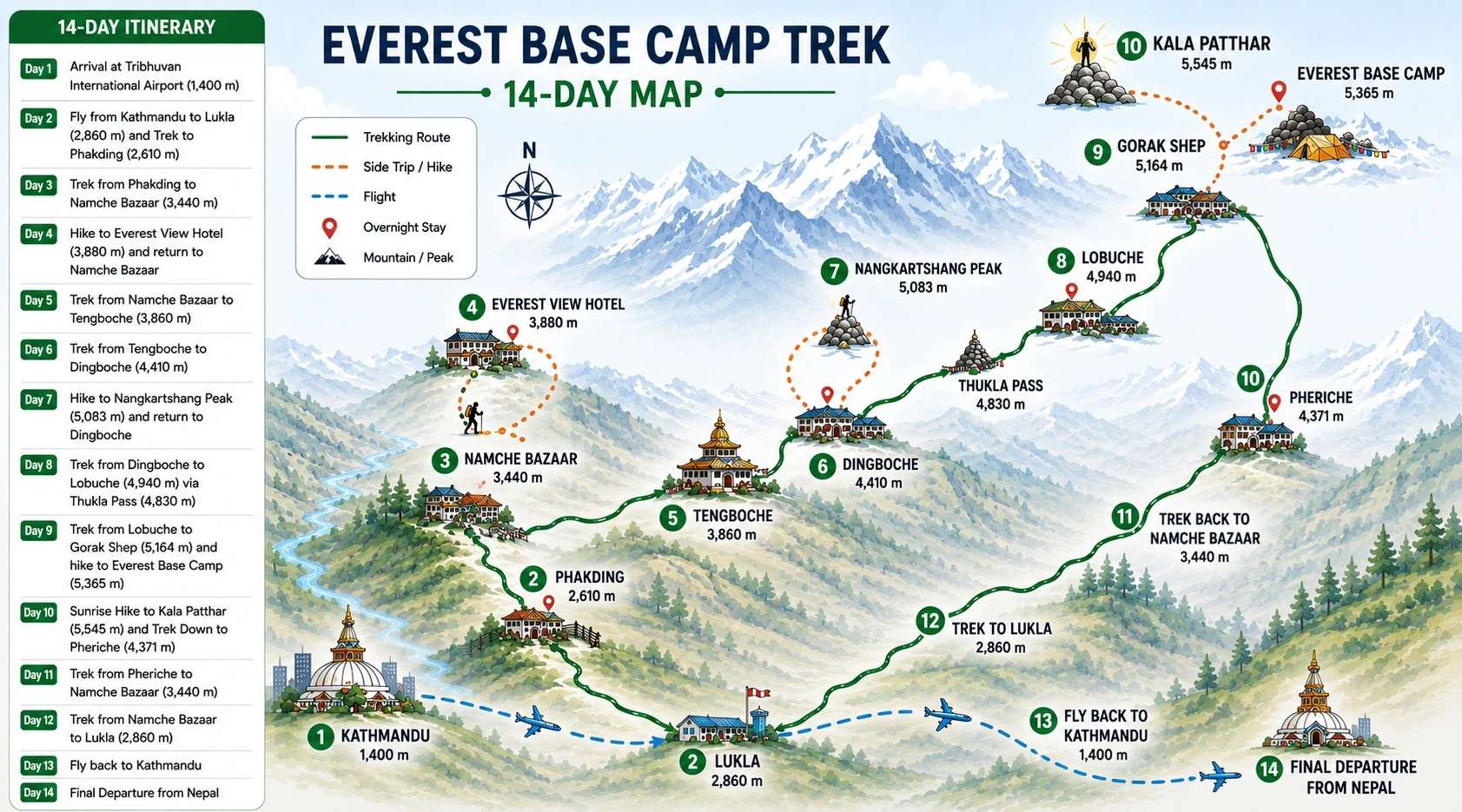
Short Itinerary & Altitude

Everest Base Camp Trek - 14 Days

Everest Base Camp Trek - 14 Days Detailed Itinerary

The itinerary below follows the classic route from Lukla to Namche to Dingboche, Lobuche, Gorak Shep, EBC, and Kala Patthar. The itinerary also includes 2 acclimatization days, perfect for beginners and intermediatetrekkers.

Day 1

Arrival at Tribhuvan International Airport (1,400 m) and Transfer to Hotel

Welcome to Nepal

Travelers will land at Tribhuvan International Airport in Kathmandu. Our team will assist you to the nearest hotel in Thamel from the airport. Then you can spend the remaining time going through your permits, equipment, and gear for your Everest Base Camp Trek adventure. 

Day 2

Drive from Kathmandu to Ramechhap, then fly to Lukla (2,860 m) from Ramechhap and Trek to Phakding (2,610 m)

Tok Tok Village

During peak seasons, spring and autumn, direct flights from Kathmandu to Lukla are not reliable. So we will drive 3 to 4 hours from Kathmandu to Manthali Airport in Ramechhap and board a 25- to 30-minute flight to Lukla (2,860 m). Then we will follow the Dudh Kosi trail and trek to Phakding (2,610 m) on the same day.

Day 3

Trek from Phakding to Namche Bazaar (3,440 m)

Namche Bazaar

Trekkers will start their climb to Namche Bazaar, crossing Dudh Kosi suspension bridges, including the High Hillary Bridge. The trail also includes the Sagarmatha National Park Entry checkpoint at Monjo.

Day 4

Acclimatization Hike to Everest View Hotel (3,880 m) from Namche

Himalayas

The first rest day of your two-week Everest Base Camp Trek adventure. But trekkers will join a short half-day hike to Syangboche and the Everest View Hotel at 3,880 m altitude and return to Namche to spend the night.

Day 5

Trek from Namche Bazaar to Tengboche (3,860 m)

Tengboche

Tengboche (3,860m) is also the home of the largest monastery in the Khumbu region. The trek starts in Namche, and after covering around 10 km, we will reach Tengboche.

Day 6

Trek from Tengboche to Dingboche (4,410 m)

Pangboche

The trekkers will now descend to Deboche’s forest, covered with different shades of rhododendron in blooming season. Then you will cross Imja Khola again and climb through Pangboche, home to one of the oldest monasteries, to reach Dingboche (4,410 m), a farming settlement.

Day 7

Acclimatization Hike to Nangkartshang Peak (5,083 m) from Dingboche

Nangkartshang Vantage Point

In Dingboche, you will spend your second crucial acclimatization day. As a part of your itinerary, you will hike to the higher elevation of Nangkartshang Peak before returning to your teahouse. This helps you improve your oxygen processing and adjust to the high altitude environment.

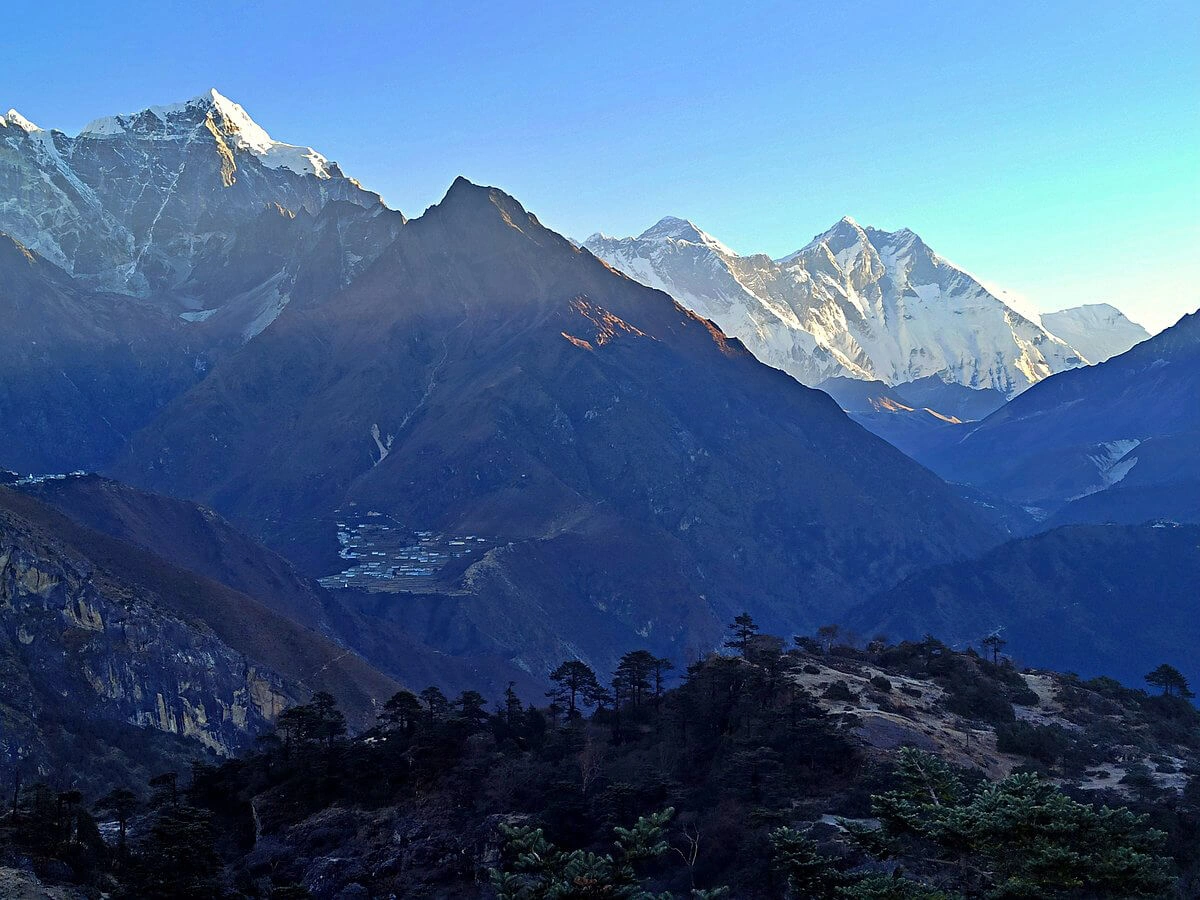
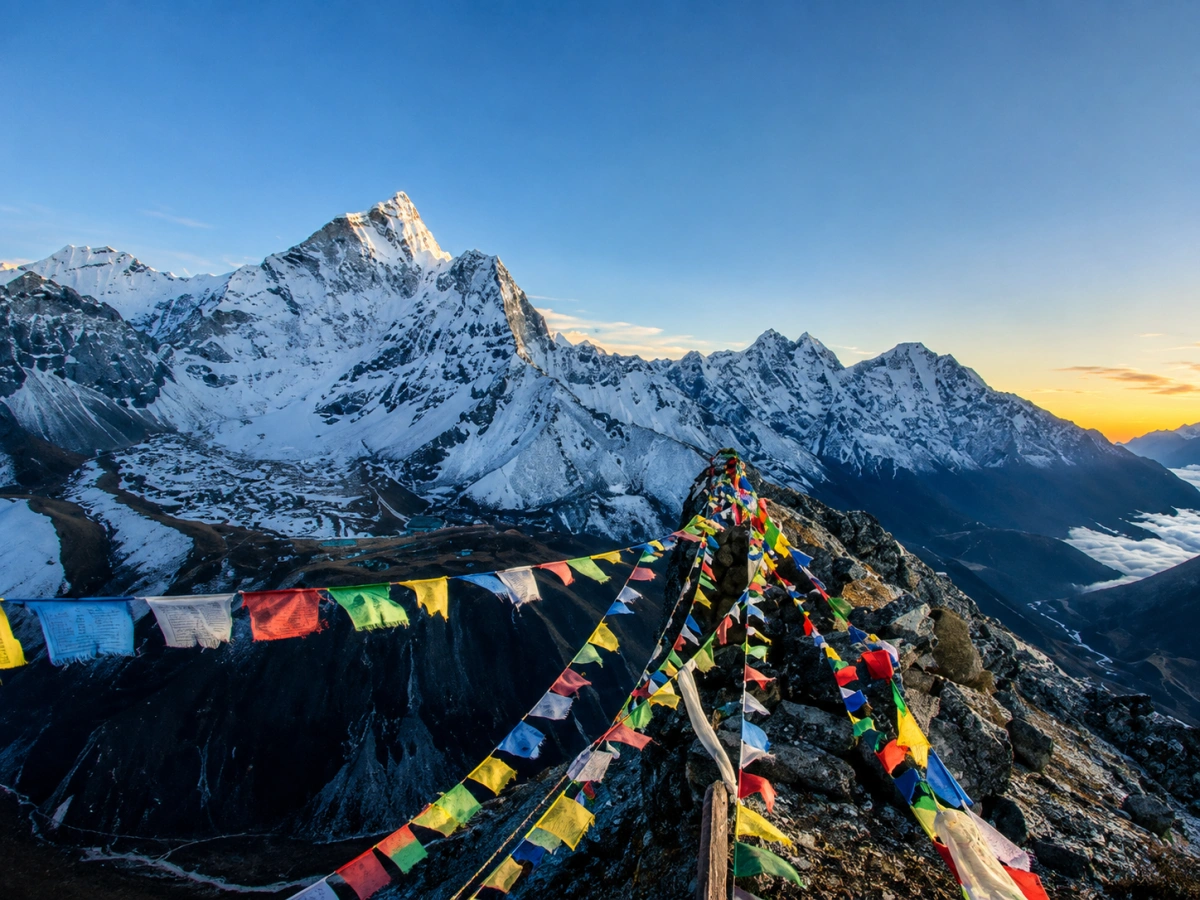
From the Nangkartshang Peak vantage point, you can admire the towering south face of Lhotse and get impressive views of Ama Dablam and Imja Valley.

Day 8

Trek from Dingboche to Lobuche (4,940 m) via Thukla Pass (4,830 m)

Everest Memorial at Thukla pass

The most emotional day of your entire adventure. Trekkers will cross Thukla Pass, a memorial site for fellow high-altitude adventure seekers who died attempting the Everest journey.

Day 9

Trek from Lobuche to Gorak Shep (5,164 m) and Hike to Everest Base Camp (5,365 m)

Gorakshep

The most important day of your journey. Trekkers will cover a 15 km distance from Lobuche, then reach Everest Base Camp (5,365 m). You will climb the rough and rocky trails. The trail demands physical strength without any technical difficulty.

Day 10

Sunrise Hike to Kala Patthar (5,545 m) and Trek Down to Pheriche (4,371 m)

Kala Patthar

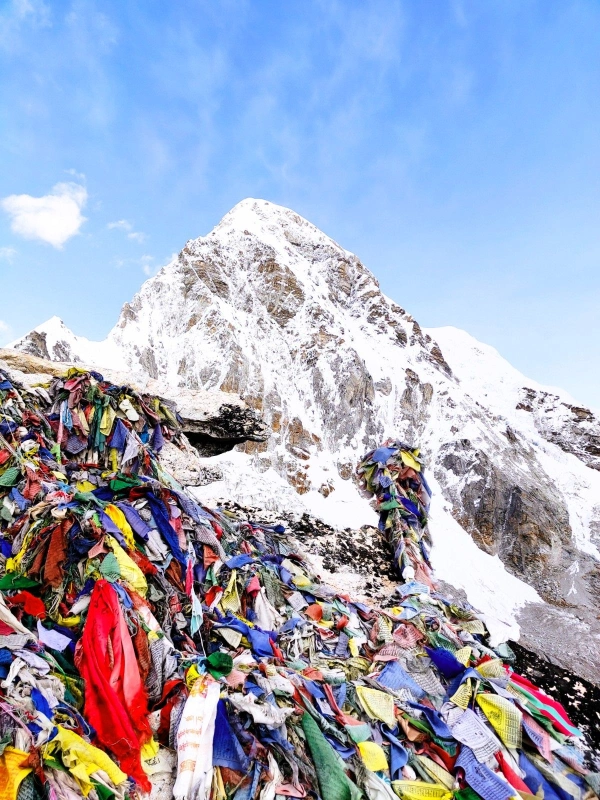
The early morning climb to Kala Patthar (5,545 m) for the beautiful sunrise view of snow-capped mountains. It is also known as the highest point of the Everest Base Camp Trek. Trekkers will enjoy the mesmerizing view and then descend back to Pheriche through Gorak Shep and Lobuche.

Day 11

Trek from Pheriche to Namche Bazaar

Leaving Pheriche

The long descent covers 20 km from Pheriche to Namche Bazaar, crossing Pangboche and Tengboche. Trekkers will get a second look at monasteries depending on their walking speed. Then you can spend the last night in the most popular village, influenced by Sherpa culture.

Day 12

Trek from Namche Bazaar to Lukla

Dudh Koshi Valley

The final day of your descent from Namche, crossing Jorsalle, Monjo, and Phakding, and then reaching Lukla. The journey takes around 6 to 7 hours of continuous descent, covering 19 km.

Day 13

Fly back from Lukla to Ramechhap, then direct drive to Kathmandu and transfer to the hotel.

Trekkers will board a morning flightfrom Lukla to Manthali Airport in Ramechhap. Then a shared vehicle will take you to Kathmandu. It takes around 3 to 4 hours to drive. The final day of your journey is spent enjoying the majestic view of snow-capped mountains in the Everest region.

Day 14

Final Departure from Nepal

Letter of Appreciation

Now trekkers are free to explore many popular places in Nepal, depending on availability, and then board a flight to their home country from Tribhuvan International Airport.

Still Confused?
No worries. Our team is ready to guide you every step of the way.

Cost Details

Includes

  • Airport pick-up and drop-off in a private vehicle
  • 2 Nights Premium Hotel in Kathmandu on a bed and Breakfast basis
  • Domestic flights: Kathmandu/Manthali – Lukla – Kathmandu/Manthali including airport transfers (10+5kg baggage allowance)
  • Sagarmatha (Everest) National Park entry permit
  • Khumbu Pasang Lhamu Rural Municipality permit
  • TIMS (Trekkers’ Information Management System) card
  • Porter service (shareable between two trekkers)
  • 11 nights' accommodation during the trek at the best available tea houses/lodges (twin/double sharing basis); 5 Nights attached bathroom below Namche Bazaar and the remaining 6 Nights with a common bathroom
  • All meals during the trek (breakfast, lunch, and dinner)
  • Daily seasonal fresh fruits
  • Professional, government-licensed English-speaking trek guide
  • Salary, meals, accommodation, insurance, and transportation for the guide
  • First aid medical kit carried by the guide
  • Complementary company t-shirt, company duffel bag & a route map
  • Complementary farewell dinner
  • Trek completion certificate
  • All government taxes and service charges

Excludes

  • International airfare and Nepal entry visa fee (payable on arrival at Kathmandu airport)
  • Meals and sightseeing in Kathmandu
  • Travel insurance (must cover emergency evacuation and medical expenses)
  • Personal trekking gear and equipment
  • Personal expenses during the trek such as laundry, phone calls, battery charging, Wi-Fi, hot showers, hot/cold beverages, snacks, or souvenirs
  • Tips for the field staff (highly recommended)
  • Any extra nights and accommodation not included in the itinerary

Dates & Availability

Select Departure Dates
Sep 2026
Oct 2026
Nov 2026
Dec 2026
07 Sep, 2026
Starts on Monday
20 Sep, 2026
Ends on Sunday
Guaranteed
US$1299
US$1450
14 Sep, 2026
Starts on Monday
27 Sep, 2026
Ends on Sunday
Guaranteed
US$1299
US$1450
21 Sep, 2026
Starts on Monday
04 Oct, 2026
Ends on Sunday
Guaranteed
US$1299
US$1450
28 Sep, 2026
Starts on Monday
11 Oct, 2026
Ends on Sunday
Guaranteed
US$1299
US$1450

Add-Ons & Options

Why walk back to Lukla for days when you can fly by helicopter—saving time while enjoying stunning aerial views of mountain villages, rivers, valleys, and the Himalayas?

Finished your trek? Fly straight back to Kathmandu on a luxury helicopter—enjoy stunning aerial views while avoiding trekking crowds and the Lukla flight.

The most important gear for the EBC trek includes a warm down jacket, a sleeping bag rated to –20°C to –30°C, trekking poles, and microspikes for snowy trails. These essentials can be heavy, costly, and inconvenient to bring from home—but no worries. You can easily rent all of them from us and return them after the trek.

Have you heard of Mountain Lodges of Nepal—the luxury hotel group operating premium lodges in the Everest region? Stay in the most comfortable lodges available and enjoy gourmet cuisine prepared by skilled chefs. This is your ticket to a truly refined Himalayan experience.

A premium Himalayan journey featuring superior lodges, expert guides, and personalized service throughout. From the moment you land in Kathmandu until your departure, every detail—and all associated costs—is fully covered. Relax and focus entirely on the experience while traveling with complete ease and confidence on this fully supported deluxe trek. If you choose this package, please select this payment option. https://natureloverstrek.com/custom-payment

Still Confused? Consult an Expert

Equipment Lists

Nepal Everest Base Camp Trek: Necessary Gear and Equipment Checklist

The Everest Base Camp Trek is a challenging journey that requires proper gear for high-altitude conditions. Here is a complete list of necessary gear and equipment:

Head
+
  • Trekking Hat/Cap
  • Headlamp/Flashlight (with extra batteries), good quality
  • Sunglasses (UV protection)
  • Woolen hat /Beanie (for cold weather)
  • Bandana/Buff (for dust and sun protection)
  • Sunblock (Sunscreen) (SPF 40 or higher)
  • Insect Repellent (for lower trekking areas)
Upper Body
+
  • Base Layer Shirt: Two (moisture-wicking, breathable fabric)
  • Trekking Jacket: A pair of lightweight (water-resistant/windproof)
  • Insulating Layer: A pair (fleece, down jacket, or sweater for warmth)
  • Rain Jacket/poncho (lightweight, waterproof)
  • Trekking Trousers/Pants: Two pairs (comfortable and durable)
  • Long-sleeve shirt: 1 pair (for sun or insect protection)
  • Underwear: Two pairs (moisture-wicking, quick-dry fabric)
  • Compression Garments (for reducing muscle fatigue, optional)
  • Gore-Tex or a similar waterproof jacket
Lower Body
+
  • Trekking Pants: Two pairs (convertible into shorts if needed)
  • Thermal Leggings: one (for cold weather)
  • Shorts: Two (optional, for warmer weather)
  • Knee Guards/Support (for those who need extra knee protection)
  • Light inner gloves (for lower-elevation trekking)
  • Insulated or down gloves (high-altitude trekking)
  • Waterproof gloves (wet season)
Foot Wear
+
  • Trekking Boots/Shoes (comfortable, waterproof, with good grip and ankle support)
  • Gaiters (to protect from mud, snow, or rocks entering boots)
  • Thick Socks: Two pairs (merino wool or synthetic, moisture-wicking)
  • Lightweight Socks: Two pairs (for warmer weather or layering)
  • Sandals/Flip-flops (for campsite/rest stops)
Miscellaneous
+
  • Sleeping bag
  • Drying towel
  • Trekking Poles
  • Cash (extra Nepali rupees for additional expenses)
  • Backpack + 60 L (Rucksack) (with rain cover and hydration system)
  • Hydration System/Water Bottles/Camelback
  • Water Purification Tablets/Filter
  • Snacks (Energy Bars, Dried Fruits, Nuts, etc.)
  • First Aid Kit (with basics like bandages and antiseptics, as per personal need)
  • Portable Power Bank (to charge devices)
  • Camera or Smartphone (to capture the views)
  • Toiletries (toothbrush, toothpaste, biodegradable soap, shampoo, etc.)
  • Feminine hygiene products as needed
  • Wet wipes
  • Emergency Whistle
  • Dry bags
  • Clothing Layer
  • Hand sanitizer

Essential Information

How difficult is the Everest Base Camp Trek—14 days?

The Everest Base Camp Trekdifficulty is rated moderate to strenuous. The trails are physically demanding but do not require any technical skill. Trekkeres have to walk 5-8 hours, covering 10-15 km per day on average.

Difficulty Level

The Everest Base Camp Trek difficulty is graded moderate to strenuous. The trails are harder than the Annapurna Base Camp Trek and theGhorepani Poon Hill Trek. The highest point of the trek, Kala Patthar, is located 5,400 m above sea level. The 12 days of climbing and descending the rocky trails make the entire journey exhausting.

Daily Walking Distance

Normally, trekkers have to cover 10-15 km, which takes about 5-7 hours depending on your itinerary and destination. The Everest Base Camp Trek itinerary must have two compulsory acclimatization days and a shorter trekking distance. On the tenth day, trekkers will hike to Kala Patthar for a sunrise view, then descend to Pheriche. It is the longest day of the trip, covering roughly 16 km and taking 7 to 8 hours.

Altitude Challenges

Trekkers have to spend multiple days 5,000 m above sea level, increasing the risk of acute mountain sickness. After reaching Dingboche, trekkers have to spend nights above 4,400 m. Trekkers will start to notice discomfort because of low oxygen levels and cold temperatures. So Trekkers must follow the rule of climbing highand sleeping low to prevent altitude sickness in the Everest Base Camp Trek adventure.

Physical Fitness Requirements

You do not require athletic-level strength or any technical mountaineering experience. Trekkers in goodphysical health who can comfortably walk 5-8 hourscarrying 8 kg can complete the Everest Base Camp Trek easily. But make sure to give your body two to three months of cardio and climbing sessions to notice a huge difference in the entire journey.

Best Time for the Everest Base Camp Trek 14 Days

Spring (March-May) and autumn (September-November) are known as the best seasons for the Everest Base Camp Trek. The trails offer stable weather conditions and perfect temperatures for exploring the Everest region. A mesmerizing view of snow-capped mountains under the clear sky.

Spring Trekking Season

Spring brings stable weather and warm temperatures, creating a perfect environment for high-altitude adventure. The sky is clear, so trekkers can enjoy breathtaking views of the entire Everest region's mountains. It starts in March and covers the trails with many fellow trekkers till May. This month also offers many guaranteed Lukla flights, making it suitable for travelers to complete their vacation on time.

Autumn Trekking Season

September waves goodbye to the monsoon rain, covering the forest with different shades of rhododendron. Famous festivals in Nepal such as Dashain and Tihar are celebrated throughout the nation. The warm temperature and clear sky make it the perfect time, creating a huge difference in your entire adventure.

Winter Trekking Season

December brings uncertain weather and trails covered with a thick layer of snow till February, making it not the right time for the Everest Base Camp Trek. The snow-covered trails consume more energy, and uncertain weather makes navigation difficult for travel guides. As the altitude increases, nights become colder, andtemperatures fall below-15°C.  Lukla flights are unreliable and can be delayed for weeks or months.

Monsoon Trekking Season

The worst season for high-altitude trekking adventures. The heavy rainfall makes the trail muddy and slippery. The forest is filled with blood-sucking leeches, and dark clouds block the entire view of trails. The Lukla flights are closed for months, so avoid June to August for your Everest Base Camp Trek adventure.

Final thoughts on the Everest Base Camp Trek - 14 Days

The fourteen-day journey explores the trails of the Everest region, crossing rivers, monasteries, Sherpa villages, and religious sites to reach Everest Base Camp. The sunrise view from Kala Patthar offers beautiful pictures for creating unforgettable memories with friends and family. The forest filled with different shades of rhododendron and villages celebrating their famous festivals make the journey worth it for every adventure seeker. So contact our Nature Lovers Treks and Tours team and book your Everest Base Camp Trek adventure. Nature Lover Treks and Tours offers you budget-friendly packages without compromising your comfort and safety


Everest Base Camp Trek - 14 Days FAQs

The Everest Base Camp Trek is a trekking adventure from Lukla to Everest Base Camp (5,364 m) and Kala Patthar (5,545 m), then descends back to Lukla. Trekkers can explore the popular Kumbu and Everest region trails, crossing Sherpa villages, monasteries, forests, and bridges with no helicopter shortcuts.

Key Takeaway: The 14-day Everest Base Camp Trek offers the perfect balance of adventure, acclimatization, and breathtaking Himalayan scenery for beginners and intermediate trekkers.
 

The classic EBC trek takes around 14 to 12 days, depending on your acclimatization days and itinerary.

The Everest Base Camp Trek is considered moderate to strenuous because of high altitude, steep ascents, long walking days, and challenging mountain weather.

Key Takeaway: Trails do not demand technical climbing skills, but altitude is the biggest challenge. 
 

The classic Everest Base Camp Trek takes 14 days with two compulsory acclimatization days in Namche Bazaar and Dingboche before ascent to Everest Base Camp and Kala Patthar.

Key Takeaway: Trekkers will cover approximately 130 km and walk 5 to 7 hours daily throughout their journey.
 

The highest point of the Everest Base Camp Trek is Kala Patthar, located at 5,545 m above sea level.

Key Takeaway: Kala Patthar offers the most mesmerizing sunrise view, perfect for Everest photography.
 

Yes, trekkers will spend multiple days at an altitude of 4,500 m, increasing the risk of acute mountain sickness.

Key Takeaway: Trekkers must follow the “Climb High, Sleep Low” method to avoid altitude sickness in high-altitude adventures. 
 

The best seasons for the Everest Base Camp Trek are spring (March to May) and autumn (September to November).

Key Takeaway: October is widely considered the best month, offering clear Himalayan views.
 

Yes, beginners with good physical health can easily complete the Everest Base Camp Trek with the help of a licensed guide.

Trekkers require two important permits for the Everest Base Camp trek:

  • Khumbu Pasang Lhamu Rural Municipality Permit 
  • Sagarmatha National Park Entry Permit

Key Takeaway: The TIMS card is not compulsory, and trekkers must carry physical copies of their permits. 
 

Trekkers will spend their nights mainly at family-run teahouses and mountain lodges offering twin-sharing rooms with basic facilities.

Key Takeaway: Teahouses offer a comfortable and authentic Himalayan trekking experience. 
 

The cost can differ depending on your group, facilities, accommodation, transportation, itinerary, and other logistical things, including domestic flights.

Key Takeaway: Low package prices do not mean a comfortable journey, so make sure to read reviews regarding the agency's reputation. 
 

The packing list for the Everest Base Camp trek is

  • Down jacket 
  • Waterproof jacket
  • Hiking boots
  • Thermal base layers
  • Gloves
  • Hat
  • Sleeping bag
  • Trekking poles
  • Headlamp
  • Water purification tablets or filter
     

Yes, the Everest Base Camp Trek is safe if you have a professional local guide assisting you throughout your journey.

Key Takeaway: Good preparation and responsible trekking practices greatly improve safety. 
 

Yes, travelers must apply for the Everest Base Camp Trek travel insurance that covers the following:

  • High-altitude trekking
  • Emergency helicopter evacuation
  • Medical treatment
  • Trip cancellation or interruption
  • Lost or delayed baggage

Key Takeaway: Always confirm your policy's maximum covered altitude before traveling.
 

The Everest Base Camp Trek offers the opportunity to explore the trails of the world's tallest mountain while enjoying the authentic Himalayan culture and a high-altitude trekking adventure.

Key Takeaway: Trekkers can enjoy religious sites, Sherpa villages, forests, suspension bridges, and monasteries filled with mountaineering history.

What Our Guests Say?

171 reviews
57 reviews
100 reviews
The greatest trekking experience in Nepal, with Nature Lovers Treks&Tours!

We (8 people) were very delighted, that Gokarna (from Nature Lovers Treks & Tours) was keen to share the insights and gave advices about trekking in Nepal long before our trip - thus we had...

read more +
J
Jokubas Le - Nepal
May 22, 2023
Everest Base Camp Trek

Really well organised trip. We just turned up and our guide Rabin looked after the rest. Everything is organised in advance so you can just enjoy the trek and not worry about anything. Accommodation and...

read more +
F
Fintan H - Nepal
November 30, 2019
Everest Base Camp Trek

Most humbling and awe-inspiring experience of my life! Gokarna was great with preparing us for our trek from the equipment to a warmup day-hike through a nearby conservation area. He's super knowledgeable and connected to...

read more +
T
Travelswithkt123 - Nepal
October 12, 2019

You May Also Like

Challenging yet Rewarding
Everest Three Passes Trek - 16 Days
most loved trek
Annapurna Base Camp Trek - 6 Days
EBC trek with Heli return from Gorak Shep
Everest-Base-Camp-trail
Need Help? Call Us+977 9851254172